

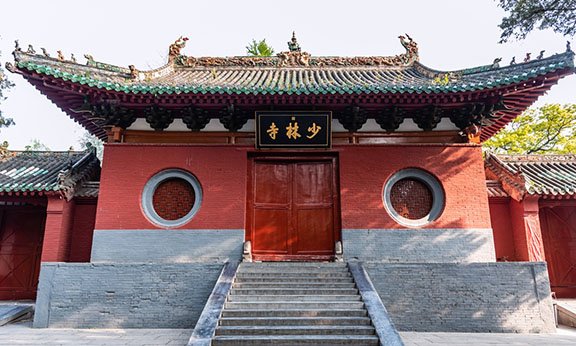
Henan China (Agencies), 9 August 2025 — The Shaolin Temple, renowned globally as the birthplace of Shaolin kung fu and a symbol of Zen Buddhism, has officially denied widespread online rumors that 30 monks resigned following recent leadership changes and internal reforms.
In a statement released via its official WeChat account, the temple’s management declared that “rumors circulating online about 30 monks collectively resigning from the Shaolin Temple are false,” urging the public not to believe or spread misinformation. The clarification comes amid growing speculation on Chinese social media platforms, where users questioned the temple’s transparency and mocked the idea of monks resigning over administrative changes.
The controversy follows the removal of Shi Yongxin, the temple’s former abbot, who is currently under investigation by multiple government departments for alleged criminal offenses. These include misappropriation of temple funds, violations of Buddhist precepts, and maintaining improper relationships with multiple women. The Chinese Communist Party’s official announcement on July 27 confirmed the probe, reigniting decade-old allegations against the high-profile monk once dubbed the “CEO monk.”
On July 29, Shi Yinle was appointed as the new abbot, and within days, reports emerged of sweeping reforms aimed at “de-commercializing” the temple. These included the cancellation of fee-based activities and the enforcement of stricter monastic discipline. New rules reportedly require monks to begin morning prayers at 4:30 a.m., limit screen time to 30 minutes per day, and store mobile phones in a central location. Weekend leave and family visits now require formal approval and are strictly limited.
While some media outlets cited unnamed sources claiming that over 30 monks had resigned in protest, the temple’s management has denied any such departures. However, skepticism remains high among netizens, with many questioning whether the denial reflects the full picture. Comments on Weibo ranged from sarcastic disbelief to criticism of the temple’s perceived commercialization and political alignment.
The Buddhist Association of China weighed in on August 7, stating that the Shaolin Temple should strive to become a “Buddhist place in the new era that supports the party and loves the country,” signaling a broader ideological shift in religious governance.
Despite the temple’s denial, the incident has sparked renewed debate about the role of religion, discipline, and state influence in China’s most iconic monastic institution. The Shaolin Temple, established over 1,500 years ago, remains a cultural and spiritual landmark—but its future direction under new leadership appears to be entering a period of profound transformation.