

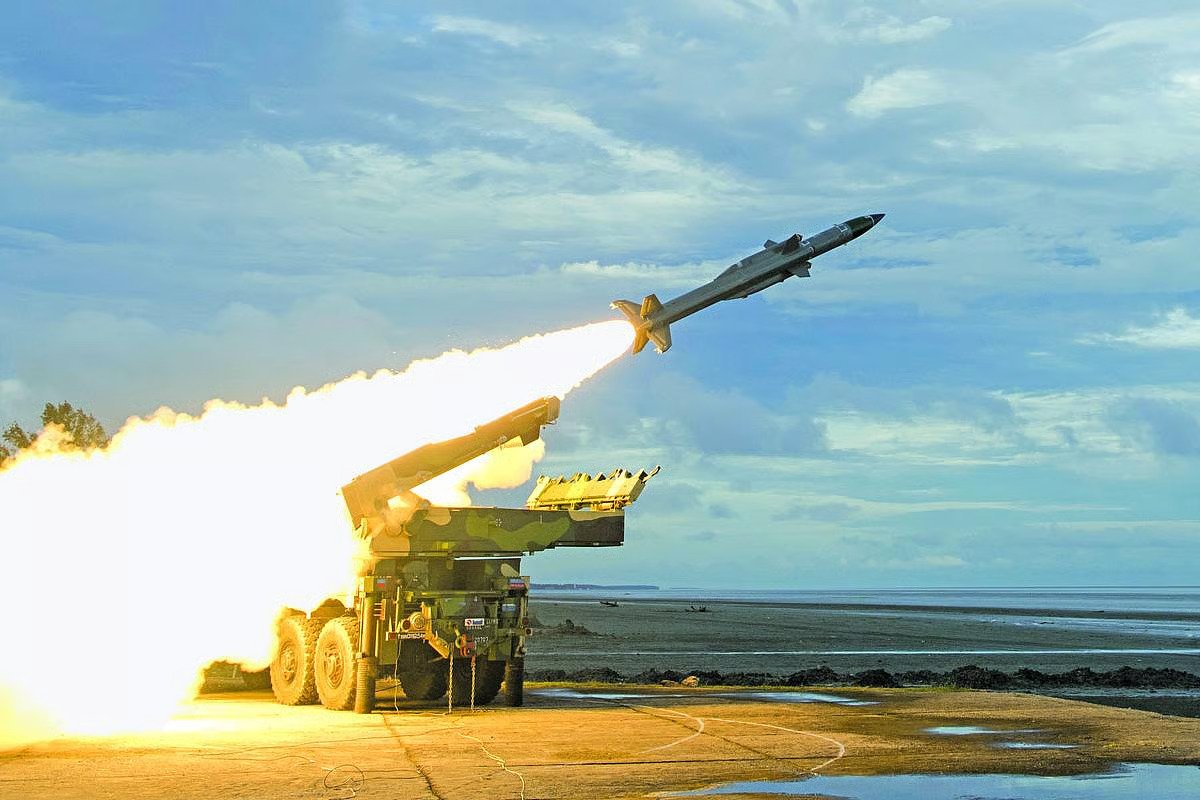
– Joins elite group of 7 nations with directed-energy capabilities
CHANDIPUR, ODISHA (Khyber Mail) — August 25, 2025: India has successfully conducted the maiden test of its Integrated Air Defense Weapon System (IADWS), a multi-layered short-range platform that incorporates both conventional missile interceptors and a high-energy laser weapon. The test, held on August 23 at the Integrated Test Range (ITR) off the coast of Odisha, marks a significant milestone in India’s indigenous defense modernization efforts.
Developed by the Defence Research and Development Organisation (DRDO), the IADWS demonstrated its ability to engage and neutralize multiple aerial targets simultaneously. According to official sources, the system successfully intercepted two high-speed fixed-wing unmanned aerial vehicles and a multi-copter drone using three distinct components: the Quick Reaction Surface-to-Air Missile (QRSAM), the Very Short Range Air Defense System (VSHORADS), and a newly developed directed-energy weapon (DEW). Officials confirmed that all components operated under a centralized command-and-control framework, with flawless data capture and validation by range instrumentation.
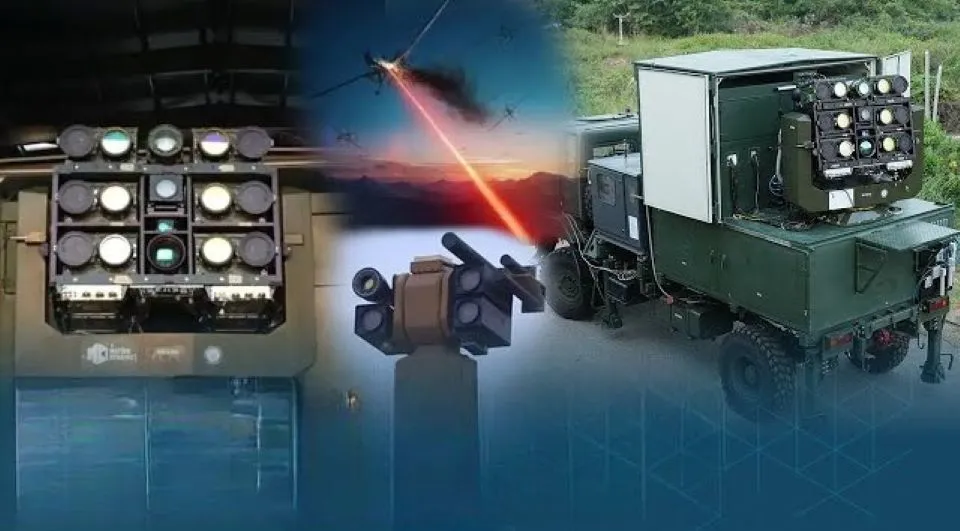
“This test validates India’s capability to integrate kinetic and non-kinetic technologies into a unified air defense architecture,” said a senior DRDO official. “The laser weapon performed within expected parameters, neutralizing a low-altitude drone with precision and zero collateral damage.”
The IADWS is part of a broader national initiative announced by Prime Minister Narendra Modi, aimed at developing a comprehensive indigenous air defense shield by 2035. The system is designed to counter low- and mid-altitude threats including drones, cruise missiles, helicopters, and low-flying aircraft.
With this successful test, India becomes the seventh country to publicly demonstrate laser-based air defense capabilities, joining the ranks of the United States, China, Israel, the United Kingdom, Germany, and South Korea. While India’s DEW currently operates within a limited range, defense analysts suggest future iterations may expand its operational envelope. Unlike Israel’s Iron Beam, which has seen combat deployment, India’s system remains in early validation stages.
India’s advancement in directed-energy technology may prompt strategic reassessments in neighboring Pakistan, whose current air defense relies on conventional systems such as the LY-80 (HQ-16) and Spada 2000. While Pakistan has invested in drone countermeasures and radar upgrades, it has not publicly disclosed any laser weapon development programs. Defense experts note that India’s IADWS could offer cost-effective interception of low-cost aerial threats, such as quadcopters and loitering munitions, which have increasingly featured in regional conflicts. The system’s silent operation and minimal logistical footprint also make it suitable for deployment in sensitive border zones.
The successful test of IADWS underscores India’s commitment to indigenous innovation and multi-domain defense integration. As global powers race to operationalize directed-energy weapons, India’s entry into this domain signals a transformative shift in its defense doctrine. Further trials are expected in the coming months, with DRDO aiming to enhance the system’s range, power output, and battlefield resilience. Integration with India’s existing radar and missile networks will be key to achieving full operational capability.