

- By: Hania Muzammil
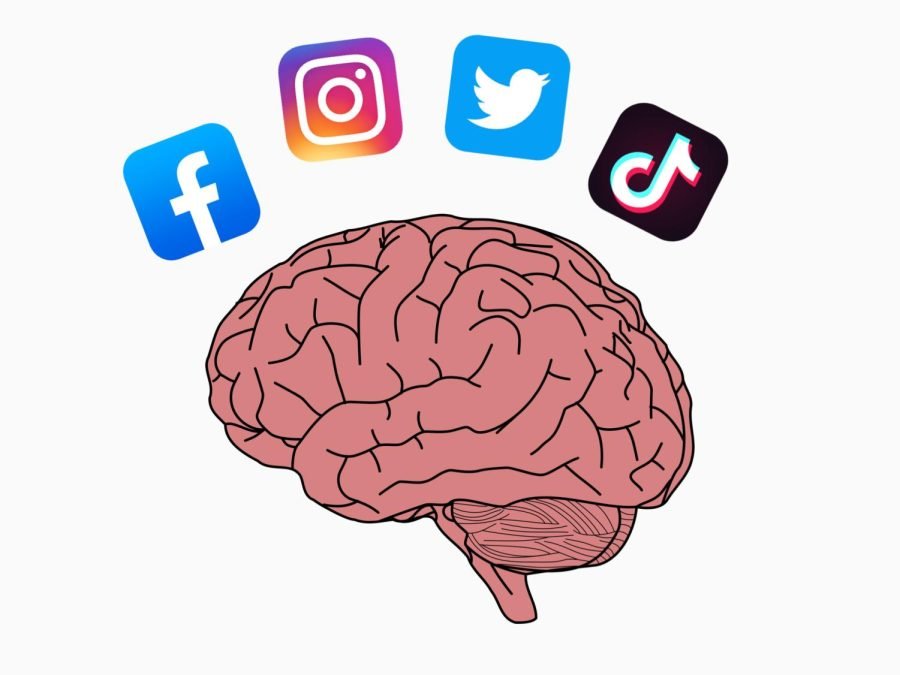
Over the last twenty years, social media has evolved from a specialized online pastime to a major player in worldwide communication. Signing in with curiosity, posting a status update, or sending a friend request every interaction in this digital space felt fresh, filled with potential. We thought social media would draw us closer together. And in numerous ways, it has. It linked continents, rekindled old friendships, and made the world seem smaller and more personal. By 2025, approximately 5.24 billion people an astonishing 63.U% of the global population are woven into this virtual network (Statista, 2025). Yet, in our pursuit of connection, we were unaware of what we were sacrificing.
We are connected, yes. But are we together?
- The Illusion of Connection
This phrase “always there for you” gave the impression that we had created an ideal companion responsive, ever-present, and not requiring anything in return. Social media platforms helped to reinforce this perception of intimacy. They transformed into environments where individuals could express their milestones, heartaches, and aspirations. For marginalized groups, these platforms frequently served as an essential support network, a digital lifeline that provided comfort and visibility in ways the physical realm could not offer.
However, underneath these connections exists a profound tension a tension between the identities we project and the identities we truly possess.
Scrolling through Instagram or TikTok, we are invited into the lives of others. But these are not full lives only fragments, carefully curated and filtered to meet the expectations of an invisible audience. A smile can be posed. A sunset can be edited. And we, as viewers, can’t help but compare.
Studies, such as those by the Royal Society for Public Health, show that these platforms contribute to anxiety, loneliness, and negative body image. The constant exposure to idealized beauty standards often airbrushed, filtered, and far removed from reality distorts our sense of self-worth, particularly among young women. The “highlight reel” becomes the standard by which reality is measured. But how do we live full, messy, imperfect lives in a world that only
rewards the polished image?
- The Dark Mirror
Cyberbullying adds another cruel dimension to this landscape. Where once the school day ended and sanctuary began at home, today’s harassment follows adolescents into their bedrooms, into their dreams. One case I return to again and again is that of Tyler Clementi a young man who, in 2010, became a symbol of what can happen when digital cruelty strips away dignity. His suicide, precipitated by a violation of privacy and a public shaming online, is not an isolated incident. It is a reflection of how we’ve let the digital outpace the moral.
The Netflix series Adolescence attempts to dramatize this reality a mirror held up to a generation that was handed technology without a guidebook for its ethical use.
Social media addiction is not merely about screen time; it’s about the emotional loop scrolling for connection, validation, belonging. But what begins as connection too often becomes compulsion.
Social media is not inherently evil. But it is powerful. And power, unchecked, can fracture even the strongest sense of self.
We used to think that technology would enhance our humanity. However, being human involves being present, vulnerable, and imperfect qualities that are not easily represented by algorithms.
We find ourselves at a pivotal moment, not just in design but in our values. We must make a decision how much of our essence are we prepared to exchange for connection? And what type of connection do we genuinely require?
To protect our mental health, we must remember being connected is not the same as being known.