

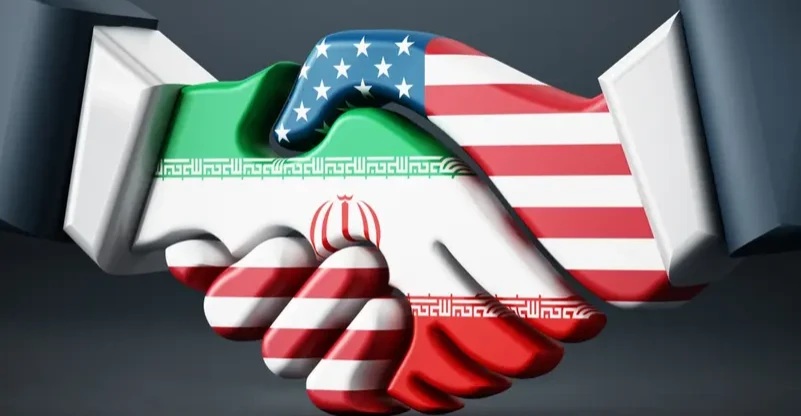
- Key Points:
- Emerging plan centers on a short-term memorandum, not a comprehensive peace deal.
- US President Donald Trump says: “They want to make a deal … it’s very possible.”
- Markets rally as hopes rise for reopening of the Strait of Hormuz.
- Draft framework proposes three stages: ending war, resolving strait crisis, and 30-day talks.
- Iran skeptical, calling the proposal “more of an American wish-list than a reality.”
ISLAMABAD/WASHINGTON/DUBAI, May 7, 2026 (Agencies) — The United States and Iran are moving closer to a limited, temporary agreement to halt their war, officials and sources said Thursday, with a draft framework that would stop the fighting but leave major disputes unresolved.
The plan centers on a short-term memorandum rather than a comprehensive peace deal, highlighting deep divisions between the two sides and signaling that any agreement would be an interim step. Hopes that even a partial deal could reopen the Strait of Hormuz have already buoyed markets, with global stocks nearing record highs and oil prices falling sharply on expectations that supply disruptions may ease.
Tehran and Washington have scaled back ambitions for a sweeping settlement as differences persist, particularly over Iran’s nuclear program — including the fate of its highly enriched uranium stockpiles and the duration of any halt to nuclear work. Instead, they are working toward a temporary arrangement aimed at preventing renewed conflict and stabilizing shipping through the strait, sources said.
A senior Pakistani official involved in mediation told Reuters: “Our priority is that they announce a permanent end to war and the rest of the issues could be thrashed out once they get back to direct talks.”
The proposed framework would unfold in three stages: formally ending the war, resolving the crisis in the Strait of Hormuz, and launching a 30-day window for negotiations on a broader agreement. Sources said a one-page memorandum to formally end the conflict was close, though gaps remain.
US President Donald Trump struck an optimistic tone, telling reporters: “They want to make a deal … it’s very possible,” adding later that “it’ll be over quickly.” Iranian officials, however, voiced skepticism. Lawmaker Ebrahim Rezaei described the proposal as “more of an American wish-list than a reality,” while parliament speaker Mohammad Baqer Qalibaf mocked reports of progress, writing on social media that “Operation Trust Me Bro failed.”
The conflict began on February 28 with US-Israeli strikes on Iran, and full-scale warfare was paused by a ceasefire announced on April 7. Israel, meanwhile, said Thursday it had killed a Hezbollah commander in an airstrike on Beirut, the first such attack on the Lebanese capital since last month’s ceasefire. Hezbollah had entered the conflict on March 2 in support of Iran.
Reports of a possible deal drove oil prices down roughly 11 percent, with Brent crude trading near $98 a barrel, while global shares rose on optimism that further military escalation may be avoided.
The US negotiations are being led by Trump’s envoy Steve Witkoff and son-in-law Jared Kushner. If agreed, the preliminary deal would trigger 30 days of detailed negotiations toward a full agreement. However, the draft memorandum does not address several key US demands, including restrictions on Iran’s missile program, an end to support for proxy militias such as Hezbollah, or Iran’s stockpile of more than 400 kilograms of near-weapons-grade uranium.