

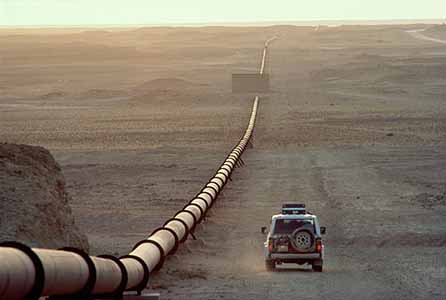
- Syria, Jordan and Lebanon have signed a tripartite energy agreement facilitating the use of Jordanian infrastructure for LNG imports and reactivating the Arab Gas Pipeline.
- The deal addresses Syria’s immediate energy shortfalls, strengthens Jordan’s role as a regional energy and logistics hub, and offers Lebanon partial relief from chronic power shortages.
- Syria, still in a critical post-civil war reconstruction phase, stands to gain essential electricity-generation capacity vital for economic revival.
- The ministerial-level dialogue established under the accord creates a platform for expanded cooperation in security, humanitarian affairs, economic connectivity, and resource management.
- The three nations could build on the agreement to jointly combat drug trafficking, including the production and smuggling of captagon, through shared intelligence and coordinated border patrols.
- Jordan and Lebanon, both hosting large Syrian refugee populations, could use trilateral mechanisms to support voluntary refugee returns, improve camp conditions, and fund skills-training programmes.
- Restoration of pipelines, roads and rail links could position Syria as a vital regional corridor, with Jordan and Lebanon leveraging their respective logistical and maritime strengths.
- Coordination on water scarcity — including shared aquifer management and desalination projects — is identified as another potential area of trilateral cooperation.
- Analysts say the deal could serve as a model for Arab-led pragmatic integration, attracting international investment and contributing to broader Middle East stability.
- The agreement is seen as more than an energy pact — it is viewed as a foundational platform for long-term regional cooperation that could reduce transnational threats across the Levant.
Amman, June 2, 2026 (Agencies) — A landmark tripartite energy agreement between Syria, Jordan and Lebanon is being hailed as a significant step toward practical regional cooperation, with analysts saying its implications could extend well beyond the energy sector.
The pact facilitates the use of Jordanian infrastructure for liquefied natural gas imports and the reactivation of the Arab Gas Pipeline, addressing immediate energy shortfalls in Syria while extending indirect benefits to Lebanon’s long-strained power sector.
For each of the three nations, the deal carries distinct advantages. Syria, still navigating a critical post-civil war reconstruction phase, gains essential electricity-generation capacity vital for economic revival. Jordan strengthens its position as a regional logistical and energy hub. Lebanon, meanwhile, receives partial relief from the chronic power shortages that have long undermined its socioeconomic stability.
Analysts say the agreement also establishes mutual dependencies that will incentivize deeper engagement among the three nations — with the ministerial-level dialogue created under the gas accord offering a ready-made platform for expanded cooperation in four key areas: security, humanitarian affairs, economic connectivity, and resource management.
One immediate area where cooperation could be broadened is the fight against drug trafficking. Transnational criminal networks have long exploited the region’s porous borders and institutional instability. The production and trafficking of illegal substances such as captagon from within Syria and Lebanon has fuelled violence and posed serious public health challenges across the Levant. Experts say joint intelligence sharing and coordinated border patrols — built on mechanisms established through the energy deal — could significantly disrupt these illicit networks.
The agreement also provides a foundation to tackle one of the region’s most persistent humanitarian challenges. Jordan and Lebanon continue to host substantial Syrian refugee populations, placing considerable strain on public services and national finances. Analysts suggest trilateral mechanisms could support improved conditions in refugee camps, promote voluntary and orderly returns to Syria, and fund livelihood and skills-training programmes — transforming a long-standing burden into an opportunity for shared investment in human capital.
The successful management of energy infrastructure near shared borders has demonstrated the feasibility of broader joint protocols. Modernising border-crossing facilities and enhancing surveillance would not only curb the risks posed by non-state actors but also facilitate the safe movement of goods and people — essential conditions for Syria’s ongoing reconstruction.
On the economic front, restoring and expanding pipelines, roads and rail connections could position Syria as a vital regional corridor, leverage Jordan’s logistical strengths and Lebanon’s maritime advantages. Experts say such infrastructure investment, if paired with private sector participation, could stimulate job creation and accelerate post-war economic recovery.
The three countries could also use the positive momentum from the gas accord to coordinate on water scarcity — a growing challenge across the Levant. Proposed projects include shared management of aquifers and energy-supported desalination initiatives, alongside an expansion into renewable energy cooperation.
Observers say the broader ramifications of such multifaceted cooperation could reverberate across the Middle East. A more stable Levant would reduce threats from terrorism, irregular migration and illicit trafficking, while an Arab-led model of pragmatic integration could attract significant international investment and financing.
The agreement, analysts conclude, represents not merely an energy deal, but a valuable platform — one that, if built upon, could contribute meaningfully to lasting stability and prosperity across the wider region.