

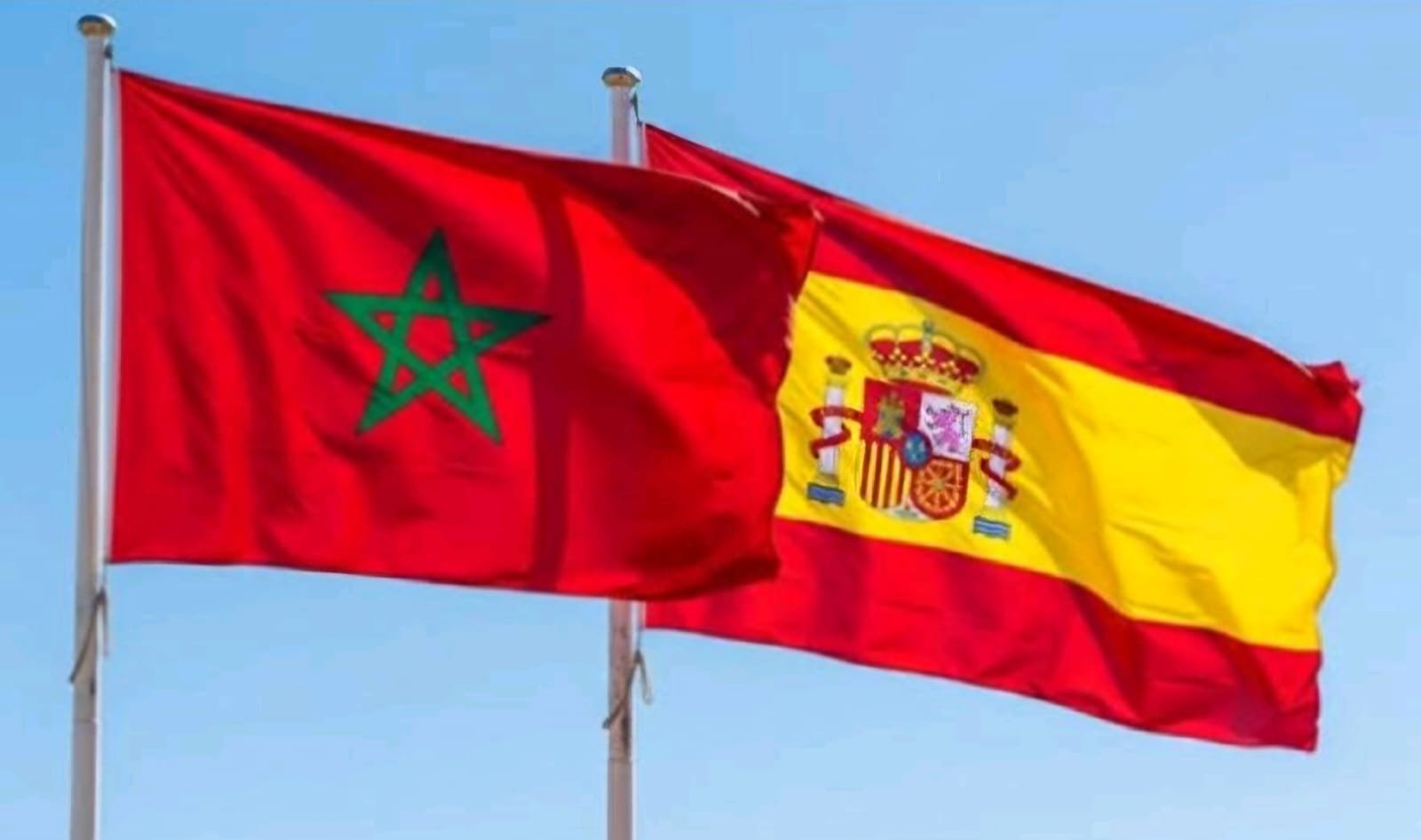
MADRID, August 21, 2026 (Khyber Mail) — The Spanish government has categorically denied media reports that Madrid is preparing an emergency plan to pressure Morocco in the event of a renewed migration crisis along the two countries’ border.
The controversy emerged after Spanish public broadcaster RTVE reportedly aired a report on its “Mañaneros” programme suggesting that the government was considering a comprehensive emergency strategy in response to a potential migration crisis involving Morocco. A related post on the broadcaster’s X account was later deleted.
Sources at Moncloa Palace, the official residence and office of the Spanish prime minister, reportedly told Spanish political affairs website Elekto Mania that the reports were inaccurate. The sources rejected the existence of any government-commissioned plan aimed at confronting or pressuring Rabat, describing the claims as “completely false.”
Reports that Spain’s electricity grid operator Red Eléctrica and gas infrastructure company Enagás had received government instructions to assess energy supplies as a potential pressure mechanism against Morocco were also denied.
The controversy comes amid a significant improvement in relations between Spain and Morocco in recent years. Madrid’s recognition of Morocco’s autonomy initiative for Western Sahara as the most serious, realistic and credible basis for resolving the dispute marked a major shift in bilateral relations and paved the way for closer political, economic and security cooperation.
Since then, the two countries have strengthened coordination on migration, security, trade and regional stability. Migration remains one of the most important areas of cooperation between Madrid and Rabat, particularly because Morocco is a key transit country for migrants seeking to reach Spain.
Spanish media reports have nevertheless highlighted continuing domestic political debate over migration policy and Spain’s approach to Morocco. La Gaceta de la Iberosfera reported that the government of Prime Minister Pedro Sánchez had no plans to impose sanctions on Morocco over recent developments involving Ceuta and did not intend to reverse its position on Morocco’s territorial integrity.
The report said Madrid remained committed to the rapprochement with Rabat initiated more than four years ago and continued to view Morocco as an essential partner in managing migration flows toward Spain.
The controversy intensified following reports that Spanish authorities had sought assessments of electricity, gas and fuel supplies to Morocco to determine whether energy could be used as a potential pressure tool during a future migration crisis. The Spanish government rejected the claims, while Red Eléctrica and Enagás reportedly said they had received no instructions relating to such an assessment.
Madrid’s firm denial indicates that the Spanish government remains focused on preserving its strategic partnership with Morocco rather than returning to the diplomatic tensions that characterised relations before the recent rapprochement.
The episode nevertheless highlights the sensitivity of Spain-Morocco relations, particularly over migration and border management, while underscoring the importance both countries place on maintaining cooperation and avoiding a renewed period of diplomatic confrontation.