

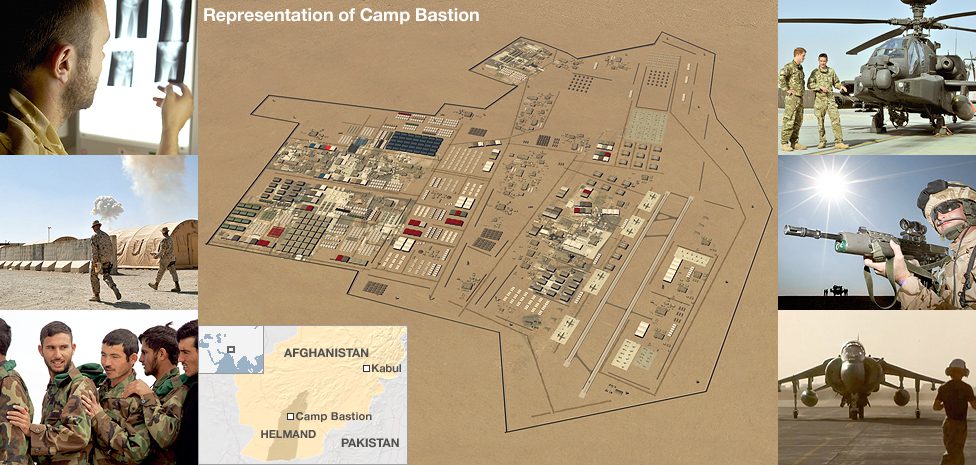
KABUL April 7, 2026 (Agencies): Reports of renewed activity at Camp Bastion, now known as Camp Shorabak, have sparked fresh speculation that Afghanistan could once again emerge as a strategic arena for external powers.
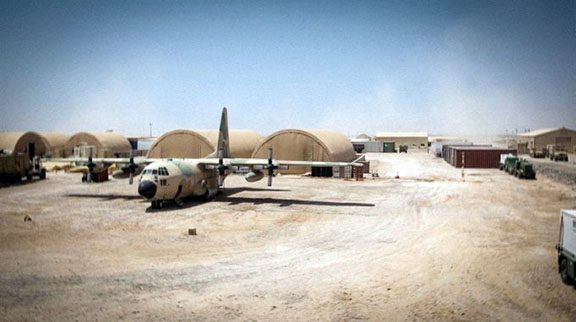
According to unverified reports and circulating imagery, a suspected C-130 Hercules linked to Israel may have used the facility. Analysts emphasise that these claims remain unconfirmed, but note that any verified foreign military presence would carry significant geopolitical implications.
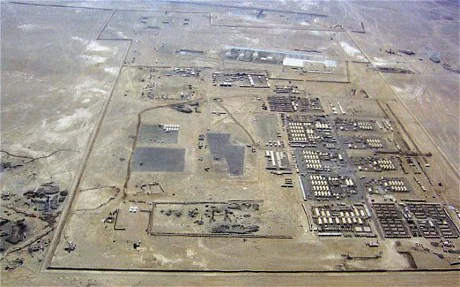
Camp Bastion, established in 2005 by British forces, was among the largest coalition bases during the NATO mission, at one point hosting up to 30,000 troops. Following the withdrawal of international forces, it was transferred to Afghan control and renamed Camp Shorabak, retaining extensive infrastructure including long runways, hardened shelters, fuel depots and logistics hubs capable of supporting sustained air operations.
Security analysts say such infrastructure makes the base highly suitable for intelligence, surveillance and reconnaissance missions, as well as special operations and rapid deployment activities across the wider region.
If confirmed, the presence of foreign aircraft would challenge the Taliban’s claims of complete sovereignty since taking control in 2021, raising questions about airspace monitoring, base access, and internal security arrangements.
Observers also point to a broader regional pattern. India has in recent years increased its diplomatic and intelligence engagement with Afghanistan, focusing on counterterrorism cooperation and connectivity projects. The potential overlap of Indian and Israeli strategic interests, analysts say, reflects evolving alignments in response to shifting regional security dynamics.
Afghanistan’s geographic position—bordering Central Asia and lying near key routes to the Gulf region—adds to its importance as a potential observation and logistics platform for monitoring developments across South Asia and the Middle East.
Experts caution that while Afghanistan lacks the formal basing agreements seen in other regions, its terrain and legacy military infrastructure make it attractive for discreet or mission-specific operations.
They also warn that any perception of foreign military activity could have internal repercussions, potentially affecting the Taliban’s domestic legitimacy and complicating its external relations.
While no official confirmation has been issued by Afghan authorities or other governments, the reports underline the continuing strategic sensitivity of Afghanistan, where competing regional and global interests continue to intersect despite the end of large-scale international military presence.