

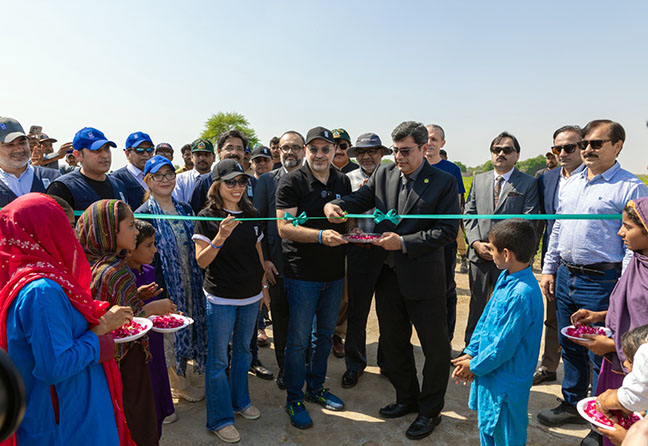
- Demonstration plant in Pinnah Reserved Forest will turn crop and forest residues into fuel pellets for cookstoves, the first of four sites under a $3.5 million project across four provinces
SUJAWAL 30 OCTOBER 2026 (Khyber Mail) – The United Nations Development Programme, together with the Government of Sindh, has inaugurated Pakistan’s first biomass energy demonstration plant in Sujawal district, Sindh, under a project aimed at promoting sustainable biomass energy and reducing pressure on forests.
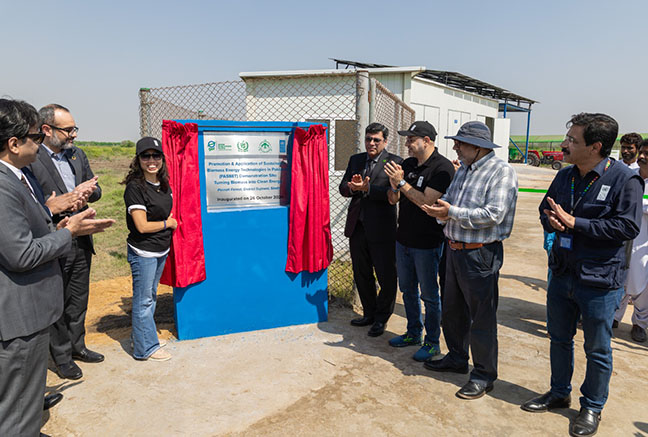
The plant is part of the Promotion and Application of Sustainable Biomass Energy Technologies in Pakistan project, known as PASBET, which UNDP is implementing in partnership with the Ministry of Climate Change and Environmental Coordination with funding from the Global Environment Facility. The five-year, 3.5 million dollar project aims to support rural livelihoods, reduce greenhouse gas emissions and ease pressure on forest resources across Sindh, Punjab, Balochistan and Khyber Pakhtunkhwa. The Sujawal plant is the first of four demonstration sites planned under the initiative to showcase scalable woody biomass-based energy technologies.
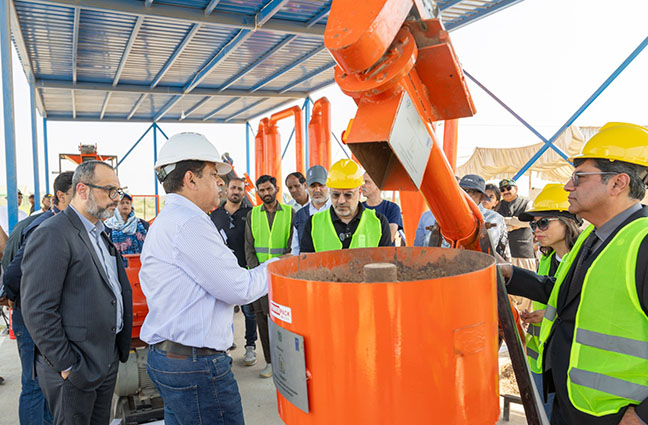
Located in Pinnah Reserved Forest, the plant will convert forest, non-forest and crop residues, such as pruned branches, rice straw and cotton sticks, into fuel pellets for use in cookstoves and to meet other rural energy needs, while promoting sustainable forest management. “Pakistan does not have to choose between meeting rural energy needs and protecting its forests,” said Dr. Samuel Rizk, Resident Representative of UNDP Pakistan. “This plant shows how locally available residues can be turned into cleaner fuel, local opportunity and a more sustainable energy model. The task now is to make that model work at scale, with communities, government and markets moving together.”
At the inauguration, 130 fuel-efficient cookstoves designed to run on biomass pellets were distributed to local households, along with 20 nursery toolkits for community groups. The cookstoves offer an alternative to conventional fuelwood-based cooking, while the toolkits will support community efforts to develop sustainable biomass resources over time.
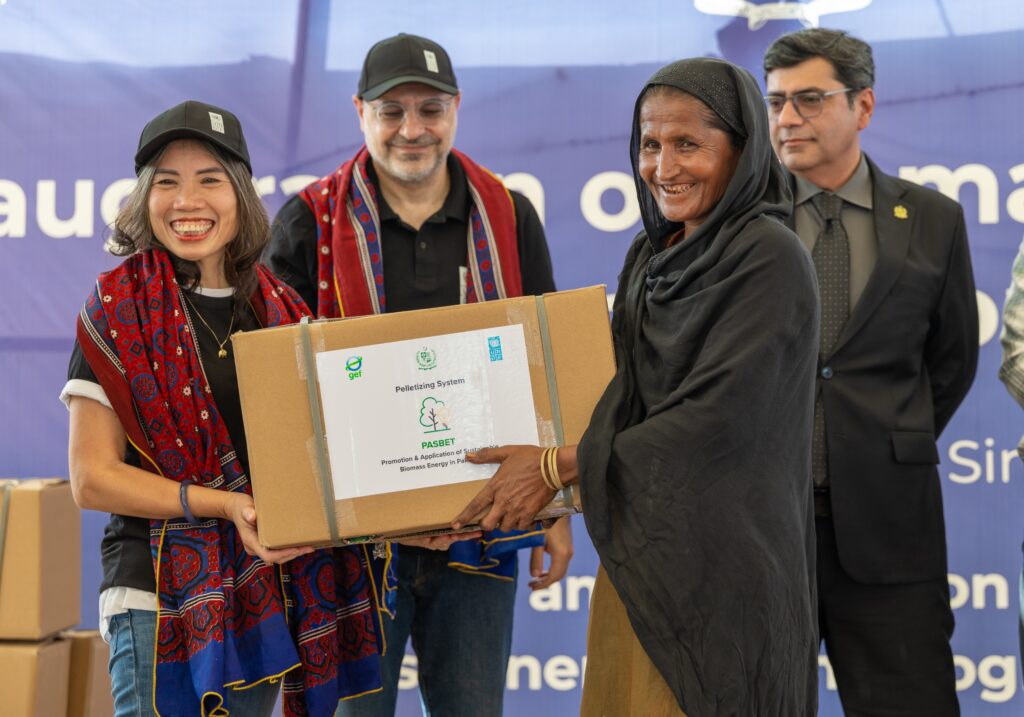
Community participation and women’s engagement are integral to the project. Roshni Tanzeem, a community organisation from Muhammad Hassan Jakhro village, supported community engagement, the selection of stove recipients and nursery development. PASBET will also strengthen local skills and explore livelihood opportunities across the biomass value chain, including biomass preparation, pellet handling, transportation, sales and plant operations.
Muhammad Riaz Wagon, Chief Conservator at the Forest and Wildlife Department of the Government of Sindh, said Pinnah Reserved Forest demonstrates how forest and agricultural residues can create livelihoods through pellet production, community nurseries and efficient cookstoves, supporting sustainable forest management and strengthening indigenous plantations. He said the Government of Sindh welcomes the first UNDP-PASBET demonstration plant and will build on the lessons from Sujawal in community involvement and residue management to scale up cleaner rural energy and healthier forests across the province.