

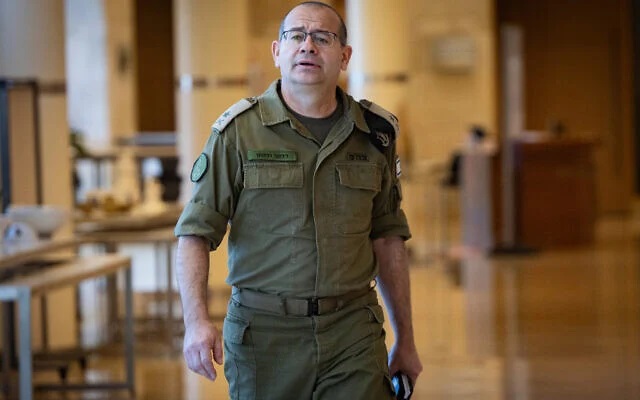
Tel Aviv, June 2, 2026 (Agencies) – Major General Roman Gofman officially assumed office as the new head of Israel’s Mossad intelligence agency on Tuesday, succeeding David Barnea after the completion of his five-year term. Gofman’s appointment was approved by Israel’s High Court of Justice despite legal challenges linked to the controversial “Elmakayes Affair,” which became a major issue during the selection process.
Gofman, a Belarus-born career military officer who immigrated to Israel in 1990, served as Prime Minister Benjamin Netanyahu’s military secretary before being chosen to lead Mossad. His appointment was opposed by Israel’s attorney general and challenged in court by activists and Ori Elmakayes himself, but a majority of the High Court ruled that the allegations did not reveal an ethical flaw serious enough to disqualify him from the post.
The Elmakayes Affair dates back to 2022 when Uri (Ori) Elmakayes, then a 17-year-old Israeli who operated Arabic-language social media and Telegram channels, was allegedly recruited by Israeli military officers for a covert influence and information-gathering campaign targeting audiences in Syria and other hostile states. According to court documents and media reports, Elmakayes was asked to publish information intended to reach Iranian, Hezbollah, Hamas and Syrian-linked audiences as part of a military influence operation.
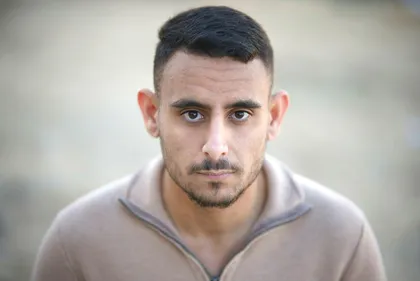
Despite allegedly working with military personnel, Elmakayes was arrested by Israel’s Shin Bet security service in May 2022 on suspicion of obtaining and publishing classified information. He spent nearly two months in solitary confinement and remained under various forms of detention and house arrest for approximately 18 months. Prosecutors eventually dropped the charges after evidence emerged that he had been acting in coordination with military officers and not as an independent actor. The state later accepted that he was not guilty of the offenses for which he had been prosecuted.
The controversy centered on Gofman’s role as commander of the IDF’s 210th Bashan Regional Division at the time. Petitioners alleged that officers under his command recruited the teenager outside approved legal frameworks and that Gofman failed to intervene or inform investigators after Elmakayes was arrested. Critics also accused him of providing incomplete information during a military investigation into the operation.
Court records show that an internal military inquiry concluded Gofman had approved the influence operation but had not obtained all required authorizations. He received a disciplinary notation in his record over procedural shortcomings. However, the High Court found insufficient evidence that he intentionally misled investigators or deliberately abandoned Elmakayes after his arrest. The majority ruling stated that the affair did not place an ethical stain on Gofman’s career that would justify blocking his appointment as Mossad chief.
With the legal challenges now concluded, Gofman has taken charge of one of the world’s most prominent intelligence agencies at a time of heightened regional tensions, while the Elmakayes Affair continues to fuel debate in Israel over the use of civilians and minors in intelligence-related operations and the responsibilities of senior commanders overseeing such activities.