

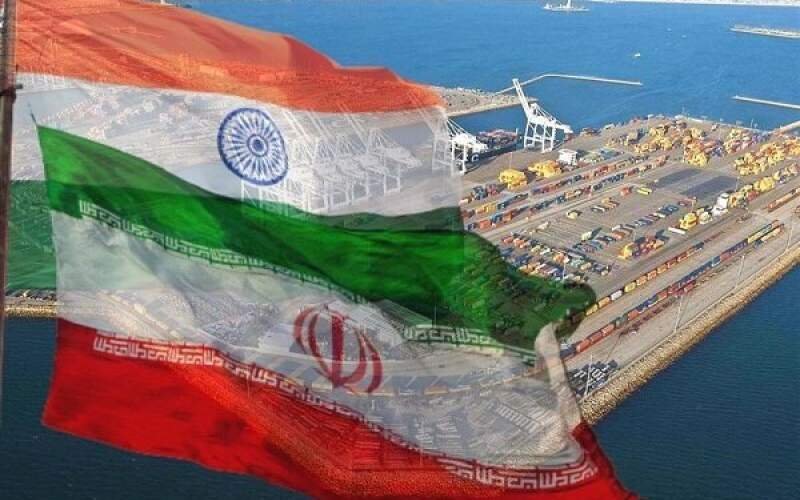
Tehran (Agencies): In a dramatic turn of events, Iranian authorities are reportedly preparing to expel Indian personnel from the strategic Chabahar Port following the alleged discovery of a covert espionage network embedded within development operations. The move comes amid heightened tensions in the region and growing scrutiny of foreign involvement in Iran’s critical infrastructure.
According to Iranian intelligence sources cited in recent reports, several Indian nationals working under civilian and technical roles at Chabahar were allegedly involved in gathering sensitive data and transmitting logistical details to foreign intelligence agencies. The revelations surfaced in the aftermath of Israeli airstrikes on Iranian nuclear facilities, which were executed with surgical precision—raising suspicions about insider intelligence leaks.
Investigations have reportedly uncovered encrypted communications, GPS mapping activity, and digital footprints linking certain Indian operatives to external servers. Iranian officials believe the espionage ring may have played a role in facilitating recent attacks on high-value targets, including nuclear scientists and strategic installations.
The Chabahar Port, developed under a trilateral agreement between India, Iran, and Afghanistan, has long been viewed as a cornerstone of India’s regional connectivity strategy. India has invested over $500 million in the port’s infrastructure, including the Shahid Beheshti terminal and rail links to Zahedan. However, Iranian officials now claim that the development footprint may have served as a cover for intelligence operations.
The fallout has prompted Iran’s Ministry of Intelligence to recommend the immediate expulsion of Indian personnel from all sensitive sites, including Chabahar, Bandar Abbas, and Qom. A formal diplomatic note is expected to be delivered to New Delhi in the coming days, signaling a potential freeze in bilateral cooperation on port development and energy projects.
This is not the first time India’s presence in Iran has come under scrutiny. In 2016, Indian naval officer Kulbhushan Jadhav was arrested in Pakistan after allegedly operating from Chabahar under a false identity. His case had already raised alarms about the use of Iranian territory for covert operations.
Iranian officials have also hinted at launching a regional diplomatic campaign to expose the alleged breach at international forums, including the United Nations and the Organization of Islamic Cooperation (OIC). The incident is likely to strain India-Iran relations and may prompt other Muslim-majority nations to reassess Indian involvement in strategic infrastructure projects.
As of now, no official statement has been issued by the Indian Ministry of External Affairs. Analysts suggest that the development could have far-reaching implications for India’s regional ambitions, particularly its connectivity plans through Central Asia and its counterbalance to China’s Gwadar Port in Pakistan.
Further updates are expected as Iran finalizes its internal review and prepares to take formal action.