

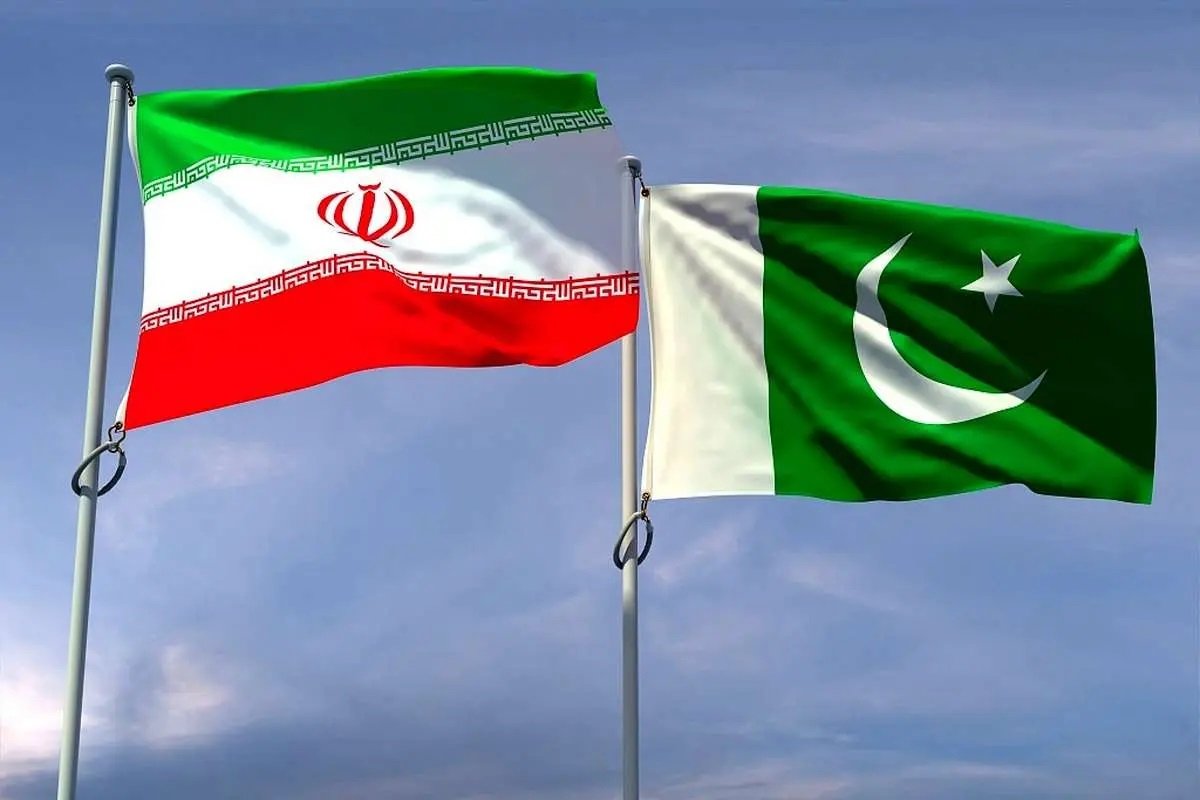
DUBAI, March 16, 2026 (Khyber Mail) — Iran’s Foreign Minister Abbas Araghchi has thanked Pakistan for its “solidarity and support” amid the ongoing US-Israeli war against Iran, as the conflict spreads across the Middle East with escalating strikes and mounting civilian damage.
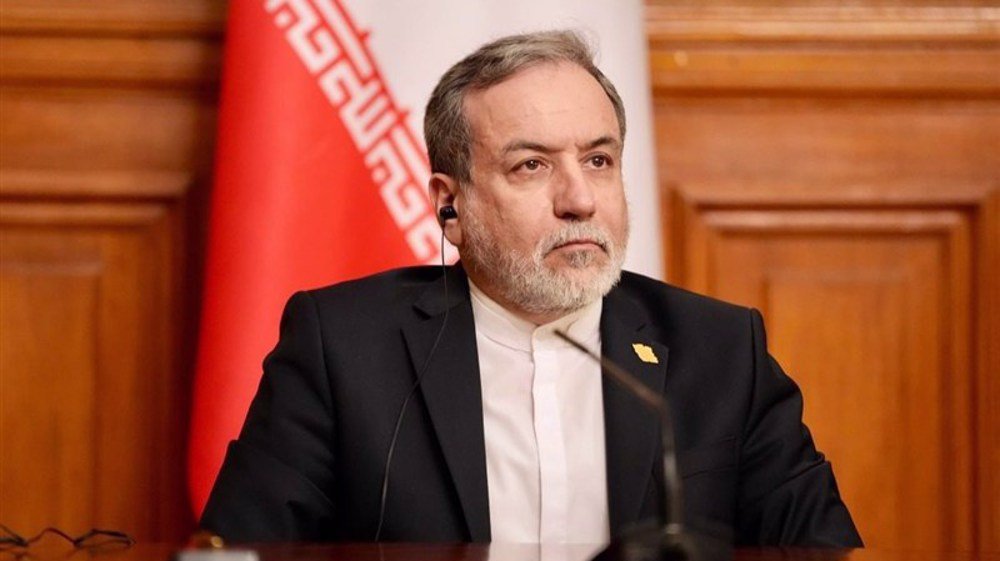
In a message posted in Urdu on X, Araghchi expressed gratitude to “the government and people of Pakistan for their strong expression of solidarity and support with the people and government of the Islamic Republic of Iran.” His remarks followed Prime Minister Shehbaz Sharif’s recent visit to Saudi Arabia and calls by Foreign Minister Ishaq Dar to counterparts in China, Kuwait, and Oman to discuss the “serious and evolving situation.”

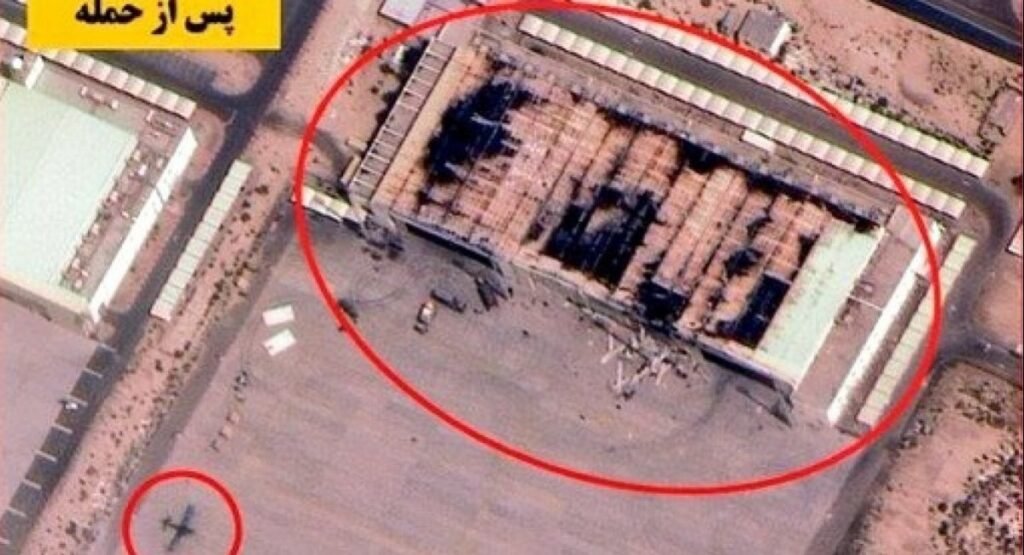
Meanwhile, defense sources reported that a UAE Saab GlobalEye AWACS aircraft was destroyed in an Iranian missile strike on Al-Dhafra Air Base, a facility also used by US and French forces. The loss of the $1 billion surveillance platform is seen as a major setback for Gulf coalition defenses.
Israel announced a “wide-scale wave of strikes” on Tehran, Shiraz, and Tabriz, with explosions reported in the Iranian capital overnight. The Israeli Health Ministry said more than 3,300 people have been injured since the war began, including 142 in the past 24 hours. In Lebanon, an Israeli air strike hit Jabal al-Batoum, while former Israeli army officer Yair Golan warned against being drawn into “an endless war” there.
Iran’s Khuzestan province reported nearly 900 civilian buildings damaged in US-Israeli attacks, while an internet blackout in Iran has now entered its 17th day, further isolating the country.
Diplomatic divisions are widening. Germany’s foreign minister Johann Wadephul said NATO has no role in securing the Strait of Hormuz, despite US President Donald Trump’s warning that the alliance faces a “very bad future” if allies fail to assist Washington. EU foreign policy chief Kaja Kallas suggested replicating the Black Sea grain deal to unblock oil and gas shipments through the strait, warning of potential food shortages if fertilizer supplies are disrupted.
Regional tensions are also rising. Qatar’s foreign ministry spokesman Majed al-Ansari urged Iran to “stop the attacks,” while former Lebanese President Michel Suleiman backed direct talks with Israel, arguing that Beirut should not bear the burden of conflict alone.
Economic fallout is intensifying. Analysts warn that Asian economies are among the biggest losers from disrupted oil flows, with Thailand, Vietnam, South Korea, and Japan facing shortages if the war drags on. Oil prices remain above $100 per barrel, with fears they could surge to $150 or higher if the Strait of Hormuz remains closed.