

- Saudi Arabia and Kuwait conducted covert strikes on Iranian-backed militia targets inside Iraq during the 2026 Iran war
- Hundreds of drones that struck Gulf states originated from Iraqi territory, including from Kataib Hezbollah
- Saudi Arabia also struck Iranian soil directly — the first known instance of Riyadh hitting Iran
- Qatar considered retaliatory strikes on Iran but chose diplomacy; UAE also struck Iran
- Gulf states growing increasingly frustrated with Washington over lack of consultation
- Analysts warn US military presence in the Gulf may now be seen as liability, not asset
Riyadh/Baghdad/Kuwait City, May 15, 2026 (Agencies) – Saudi Arabia and Kuwait conducted covert military strikes on Iranian-backed militia targets inside Iraq during the 2026 Middle East war, Reuters reported on Wednesday, in what analysts describe as a significant shift in Gulf security behaviour driven by waning confidence in American protection.
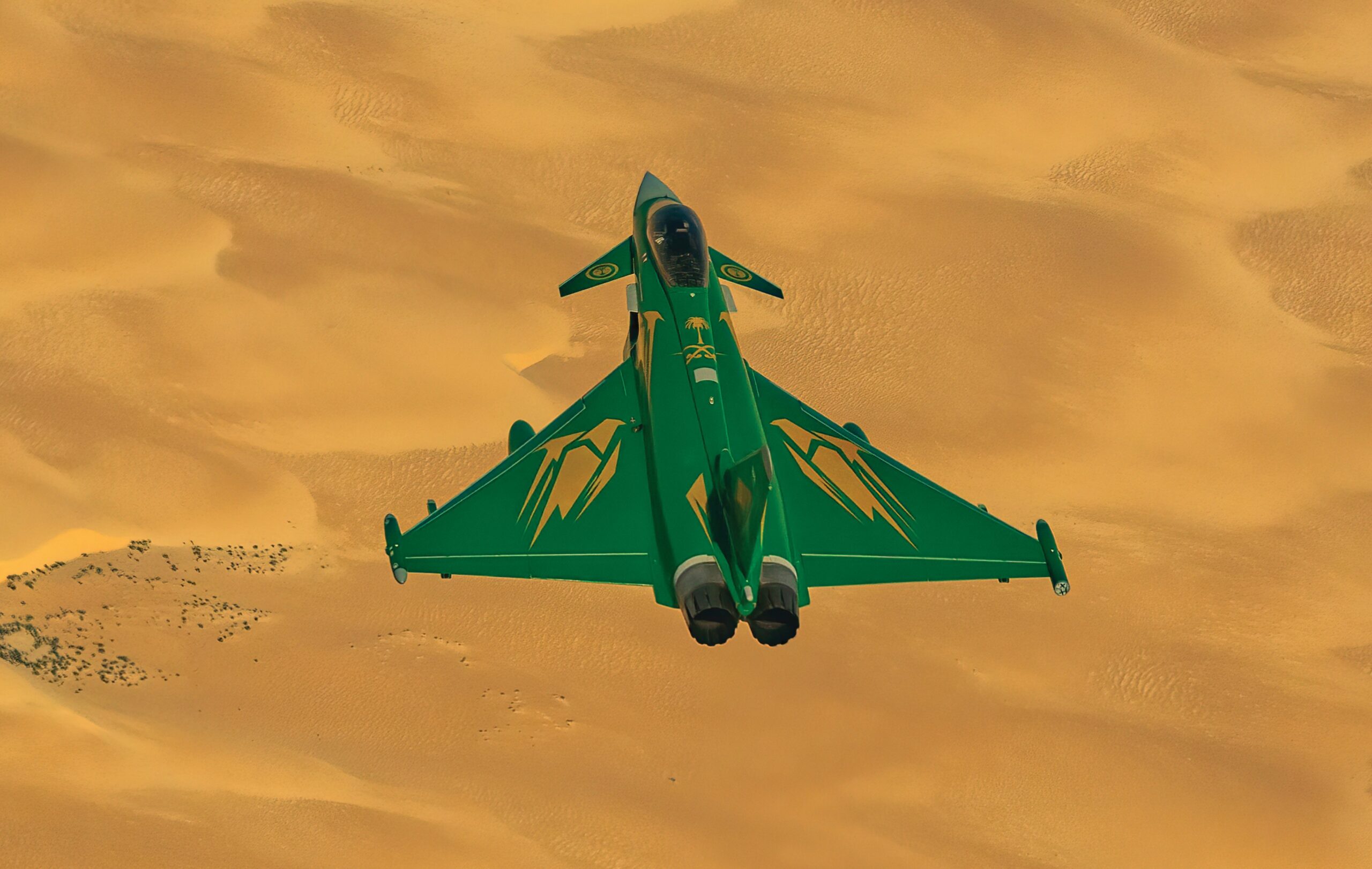
Saudi air force fighter jets bombed Iranian-linked militia positions near the kingdom’s northern border with Iraq — sites from which drones and missiles had been launched at Gulf states. Some of the Saudi strikes took place around the time of the April 7 US-Iran ceasefire, according to a Western official and sources briefed on the matter.
Iraqi security sources said rocket attacks were also launched on at least two occasions from Kuwaiti territory. One set of strikes in April killed several fighters and destroyed a Kataib Hezbollah facility used for drone operations and communications in southern Iraq. Reuters was unable to determine whether the rockets were fired by Kuwaiti forces or the US military, which maintains a large presence in the country.
Neither Saudi Arabia nor Kuwait acknowledged the strikes or responded to requests for comment. A Saudi Foreign Ministry official said only that Riyadh sought “de-escalation, self-restraint and the reduction of tensions in pursuit of the stability, security and prosperity of the region.”
The strikes came in response to a sustained campaign of missile and drone attacks on Gulf territory as Iran retaliated against the US-Israeli military campaign launched on February 28. Hundreds of the drones that struck Gulf targets during the war originated from Iraq, sources told Reuters — many linked to Kataib Hezbollah, a powerful Tehran-backed paramilitary group operating in southern Iraq.
Kuwait came under particularly severe attack. Iranian strikes hit Kuwait International Airport, the Ali Al Salem Air Base, Camp Buehring, oil refineries, power plants and water desalination facilities. Six US soldiers were killed and dozens wounded. Two Kuwaiti Navy servicemen were also killed. Kuwait’s Ministry of Defence reported 67 servicemembers wounded during the conflict overall.
Iran-backed militias also flew surveillance drones along Iraq’s borders with Kuwait and Saudi Arabia, conducting reconnaissance missions. “They are gathering information on what has been damaged, what is still working. They are preparing for the next strike,” one person briefed on the matter told Reuters.
Before resorting to military action, Saudi Arabia and Kuwait pursued diplomatic channels. Both countries warned Baghdad in March to rein in pro-Iranian militia groups operating from its territory. Kuwait summoned Iraq’s representative three times over cross-border attacks, while Saudi Arabia summoned Iraq’s ambassador. Iraqi forces intercepted some attempted attacks and seized a rocket launcher west of Basra allegedly aimed at Saudi energy infrastructure — but the strikes continued.
The strikes on Iraq were part of a broader, largely hidden pattern of Gulf military responses during the conflict. Reuters separately reported that Saudi Arabia struck Iranian soil directly during the war — the first known instance of Riyadh hitting Iranian territory. The UAE carried out similar strikes on Iran. Qatar, meanwhile, considered retaliatory strikes after Iran struck its Ras Laffan gas facility but ultimately opted for diplomacy, according to the Financial Times.
On March 26, Kuwait, Saudi Arabia, the UAE, Bahrain, Qatar and Jordan issued a joint condemnation of Iran and its affiliated armed groups in Iraq for attacks on regional countries and their infrastructure.
The deeper significance of the strikes, analysts say, lies in what they reveal about shifting attitudes toward the United States in the Gulf. For decades, GCC states hosted American military bases and purchased vast quantities of US weapons in exchange for security guarantees. That arrangement is now under strain.
Gulf states were reportedly frustrated that Washington launched the conflict against Iran without prior consultation or a clear long-term strategy, while leaving its regional partners exposed to devastating Iranian retaliation. US-allied Gulf states including Saudi Arabia, the UAE, Kuwait and Bahrain reportedly pushed Trump to continue the war until significant changes occurred in Iran’s leadership — a sign of their deep stake in the outcome, but also of their diminished trust in American decision-making.
“The most fundamental question is one of consultation. Are the Gulf states actually achieving the kind of partnership and security support that they feel is necessary if the United States is going to engage militarily in the region,” said Khaled Almezaini, associate professor of politics at Zayed University in Abu Dhabi.
Long-term, analysts warn the conflict has raised uncomfortable questions for Gulf monarchies about whether US military bases — and reliance on Washington more broadly — represent a security asset or a strategic liability.