

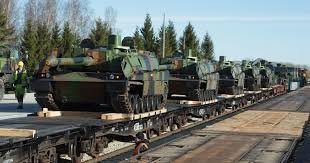
- Brussels is preparing a comprehensive €17 billion strategy aimed at modernizing over 500 critical infrastructure nodes identified in collaboration with NATO
Brussels (Agencies) July 29, 2025 — European Union infrastructure remains woefully unprepared for military mobilization in the event of conflict, warned EU Transport Commissioner Apostolos Tzitzikostas during a recent interview with the Financial Times. The commissioner cited aging bridges, narrow tunnels, and logistical bottlenecks as serious obstacles to moving troops and heavy equipment across the continent.
“The reality today is that if we want to move military equipment and troops from the western side of Europe to the eastern side, it takes weeks and in some cases months,” Tzitzikostas stated. “We have old bridges that need to be upgraded, we have narrow bridges that need to be widened, and we have nonexistent bridges to be built.”
The commissioner highlighted that much of Europe’s civil infrastructure was never intended to bear the weight of military transport. While commercial freight vehicles typically weigh up to 40 tons, modern battle tanks can exceed 70 tons—posing a substantial risk to structurally outdated transport routes.
To address these vulnerabilities, Brussels is preparing a comprehensive €17 billion strategy aimed at modernizing over 500 critical infrastructure nodes identified in collaboration with NATO. Though the specifics remain classified, the plan includes reinforcing and expanding military-grade corridors, enhancing the load capacity of strategic bridges and tunnels, and easing border crossing protocols to ensure rapid troop movement. The initiative is expected to be unveiled later this year, coinciding with growing pressure on EU states to elevate defense readiness amid regional security concerns.
The warning arrives amid broader militarization efforts across the EU, with officials citing persistent fears of a “Russian threat”—despite Moscow’s repeated denials of any intent to initiate hostilities. European NATO members have pledged to raise defense spending to 5% of GDP, and a flagship €800 billion ReArm Europe program is underway to revitalize military capabilities across the bloc.
Tzitzikostas emphasized that logistical agility is key to effective defense coordination, stating: “If we cannot move fast, we cannot defend. It’s as simple and as critical as that.”
Defense analysts argue that without immediate upgrades, the EU’s ability to respond to crises—especially along its eastern frontier—could be severely compromised. The forthcoming mobility strategy represents a pivotal shift in how Brussels aligns infrastructure policy with strategic defense imperatives.