

Brussels (Agencies) July 10, 2025 — Amid escalating global instability and warnings of potential conflict with Russia, the European Union has launched its most comprehensive crisis preparedness strategy to date, unveiling plans to stockpile essential goods and accelerate access to lifesaving medical countermeasures.
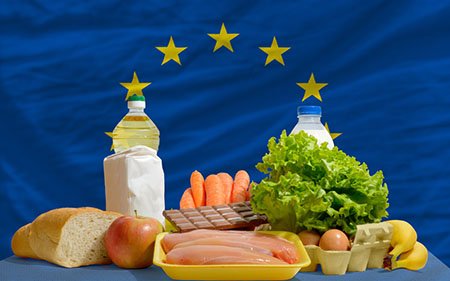
The initiative, announced on July 9 under the bloc’s new “Preparedness Union” framework, seeks to secure EU-wide reserves of food, water, fuel, medicines, and radiological response tools. Officials say the move is intended to bolster civilian resilience in the face of large-scale emergencies, including war, pandemics, natural disasters, and cyberattacks.
“The more we prepare, the less we panic,” said EU Crisis Management Commissioner Hadja Lahbib, adding that the current threat landscape necessitates proactive measures at both national and EU levels.
Key elements of the strategy include the formation of an EU Stockpiling Network to coordinate member-state reserves, the development of three-day survival kits for households, and increased investment in logistics and emergency infrastructure. The plan also calls for enhanced collaboration between civil agencies and military planners to streamline response mechanisms.
The accompanying Medical Countermeasures Strategy will prioritize rapid deployment of vaccines, antibiotics, and radiological countermeasures, as well as scalable production capacity for emergent public health threats.
The decision follows mounting concerns from NATO leadership that Russia could pose a direct military threat to Europe within five years. Recent intelligence points to a surge in Moscow’s defense production and hybrid tactics that have already impacted several EU border states.
Several EU countries—most notably Finland and Sweden—have already begun implementing national preparedness campaigns and issuing civil defense guidelines. Officials in Brussels emphasized that the new stockpiling framework is designed to unify and strengthen those efforts across the continent.
Further details of the initiative are expected to be shared in upcoming sessions of the European Council and EU Civil Protection Mechanism, with initial resource deployment scheduled for Q4 2025.