

- By: Major (R) Amir Zia

On Wednesday morning, August 26, 2026, the Earth shook along the Nepal-Tibet border. Seismologists initially mistook the tremor for an earthquake. In reality, the [US Geological Survey (USGS) revealed a vibration far more ominous , a massive glacier collapse on Langtang Lirung. A colossal shelf of ice fractured from a 7,200-meter cliff, plunging 1,200 vertical meters. The impact equivalent to a 5.2-magnitude earthquake unleashed a fast-moving “Himalayan tsunami” of liquefied ice and mud that barrelled 100 kilometers downstream, leaving [nearly 470 dead and over 1,400 missing.
The footage of villages buried under thick, grey sludge is a testament to unmeasurable grief. While the scale of this tragedy is unprecedented, it was entirely predictable. This is the visceral reality of a planet choked by global climate pollution.
While the epicenter of this catastrophe lies in Nepal, its most terrifying warning signs point directly toward Pakistan. Pakistan houses the world’s most spectacular and volatile high-altitude terrain, where the Himalayas meet the Karakoram and Hindu Kush ranges. Pakistan possesses over 13,000 glaciers the largest concentration of ice outside the polar regions.
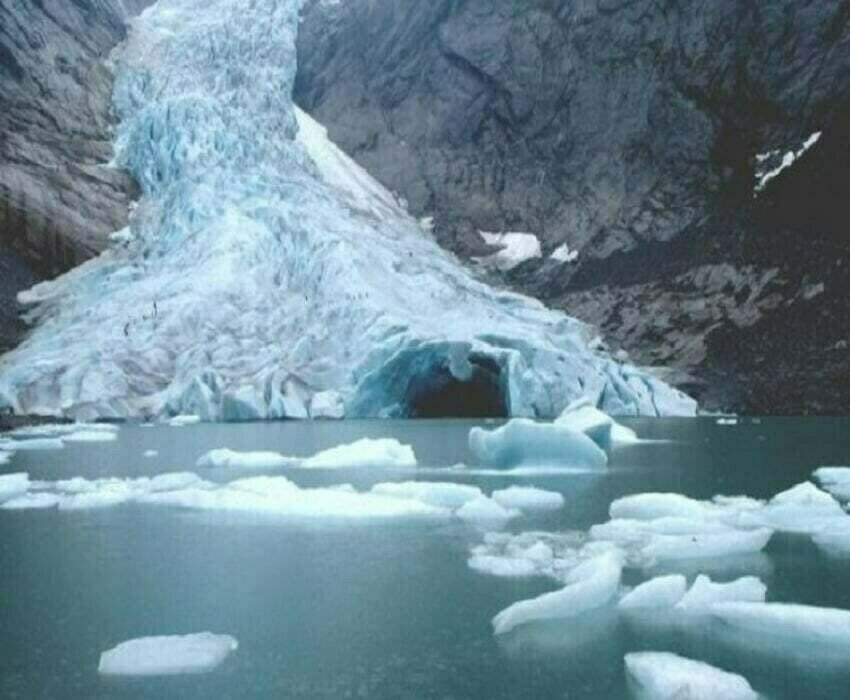
But this frozen crown hides an existential threat. Our lifelines are rapidly turning into liquid time bombs. As global temperatures rise, these glaciers are retreating at catastrophic rates, some by up to 60 meters per year. This rapid melt has already created over 3,000 glacial lakes in Pakistan’s northern valleys, with at least 33 classified as dangerously unstable and prone to imminent Glacial Lake Outburst Floods (GLOFs).
The horror of a glacial collapse is its absolute lack of warning. When a mountain wall structurally fails, millions of tons of debris obliterate everything downstream within minutes. Just recently, a severe GLOF event triggered by persistent heatwaves [devastated the Ishkoman Valley in Gilgit-Baltistan erasing homes, bridges, and local livelihoods.
The systemic injustice of this crisis lies in the data. Pakistan contributes less than 1% of global carbon emissions. Yet, due to pure geography, we stand on the absolute frontline of climate catastrophe. Our citizens pay with their lives and futures for the carbon addictions of heavily industrialized nations.
The socioeconomic fallout is already hollowing out our fragile economies. The UN Development Programme (UNDP) reports that climate disasters have triggered a 4% spike in Pakistan’s poverty rates, while previous extreme floods have wiped out nearly 9.8% of the country’s GDP. Because the Indus River system supports nearly 90% of Pakistan’s agriculture, the disappearing glaciers threaten absolute water scarcity for over 240 million people. The water that floods our valleys today will leave our agricultural heartlands barren tomorrow.
We can no longer treat these events as isolated, freak anomalies. The high altitudes are holding massive water bombs triggered to detonate as atmospheric heating climbs. Furthermore, conventional, river-based early-warning systems are completely blind to these high-velocity debris flows.
If the tragedy along the Nepal-Tibet border, paired with the ongoing [monsoon devastation across Gilgit-Baltistan cannot shock the global community into actionable climate justice, nothing will. Developing mountain nations do not need empty rhetoric or debt-driven loans. The high altitudes are holding massive water bombs triggered to detonate as atmospheric heating climbs.
- The author can be reached anuhkaf@gmail.com