

- By: Omer Khan
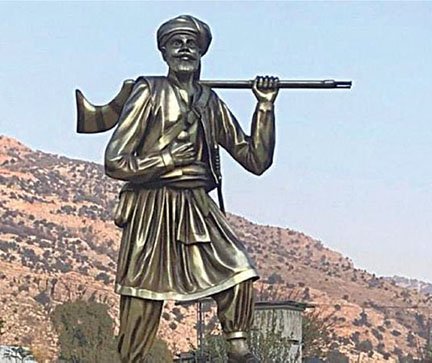
On the road between Kohat and Peshawar, just past the Kohat Tunnel, stands a statue that silently tells the story of a man whose defiance shook the British Empire. This is the monument to Ajab Khan Afridi, a legendary Pashtun freedom fighter from Darra Adam Khel, whose daring resistance in 1923 became a symbol of honor, courage, and rebellion.
- Early Life and Tribal Roots
Born around 1866, Ajab Khan belonged to the Bosti Khel sub-clan of the Afridi tribe, known for their fierce independence and warrior ethos. He lived with his mother and brother Shahzada Khan in the village of Jawaki, near the Kohat-Peshawar road. His father, Sher Dil Khan, had passed away, leaving the family to navigate the turbulent colonial landscape.
- The Spark of Rebellion
Ajab Khan’s transformation from tribal warrior to national icon began when British forces raided his village, allegedly mistreating local women, including his mother. Enraged by this violation of honor, his mother demanded vengeance. Her words—refusing to see her son until he avenged the insult—ignited a fire that would lead to one of the most daring acts of resistance in colonial history.
- The Kidnapping of Miss Mollie Ellis
On April 14, 1923, Ajab Khan and a small group of fighters infiltrated the heavily guarded Kohat cantonment, entered the home of Major Ellis, and abducted his daughter Miss Mollie Ellis. During the raid, Major Ellis’s wife was killed, and several guards were slain. Ajab Khan carried Miss Ellis to the tribal areas, hiding her in a cave near Kohat and later seeking asylum in Afghanistan.
Despite a massive manhunt and a bounty of Rs. 100,000 on his head, Ajab Khan remained elusive. He was eventually granted land and protection by the Afghan government in Mazar-i-Sharif, where he lived until his death in 1961 at the age of 95.
- The Return of Miss Ellis and British Reaction
After nine months, tribal elders and British officials negotiated Miss Ellis’s safe return at the Torkham border. Medical examinations confirmed she had been treated with dignity and respect. British officials were reportedly so impressed by Ajab Khan’s conduct that they considered granting him amnesty—had it not been for the death of Mrs. Ellis.
- Legacy and Cultural Impact
Ajab Khan’s story became folklore. He was portrayed as a noble outlaw—fierce in battle, yet bound by a strict moral code. Miss Ellis herself, who later visited Kohat in 1985, was deeply moved by the hospitality and reportedly said she had never met a man who compared to Ajab Khan.
His life inspired three films, including the 1961 Urdu-language classic Ajab Khan, directed by Khalil Kaiser and starring Sudhir3. In 2018, a statue was erected in Darra Adam Khel to honor his legacy.
- Why His Story Matters Today
Ajab Khan Afridi’s tale is more than a historical anecdote—it’s a reminder of the power of personal honor, resistance against oppression, and the complexities of colonial history. His legacy deserves to be taught, remembered, and celebrated, especially by younger generations who may not know the sacrifices made by heroes like him.
Whoever envisioned and installed his statue near the Kohat Tunnel has done a service to history. It stands not just as a tribute, but as a call to remember the courage that once defied an empire.