

- By: Mohsinul Mulk Yousafzai
The month of Ramadan is known for patience, compassion, and social justice. It is a blessed month that teaches us to understand the struggles of others and support those who are less fortunate. In many countries, people are given special facilities during Ramadan, essential food items become cheaper, and life becomes a little easier for everyone.
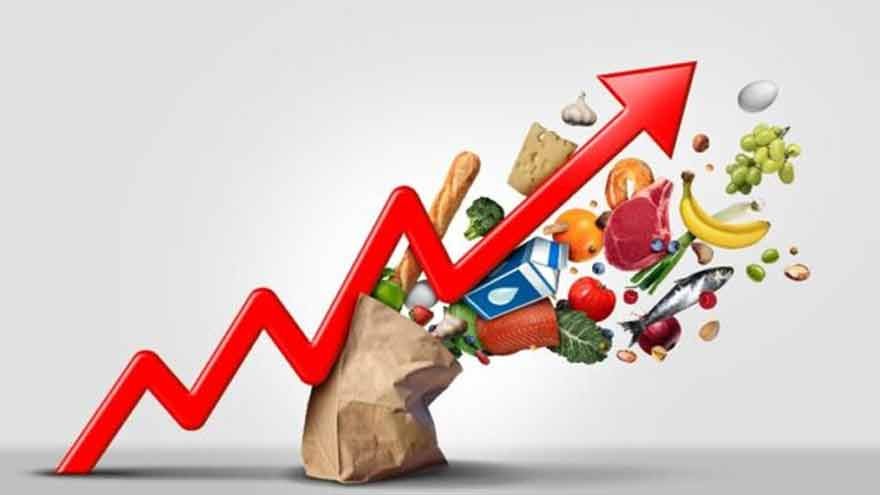
But in Pakistan, Ramadan often brings more difficulties for poor people rather than relief. As the month approaches, prices of basic food items in the markets start rising sharply. People rush to buy vegetables, fruits, meat, milk, and other essentials to prepare for Sehri and Iftar. Unfortunately, at the same time, a wave of inflation also hits the markets. Many shopkeepers and traders increase prices as they wish, leaving poor and middle-class families struggling, while official price lists remain only on paper.
This year, just before Ramadan began, the government added another burden on the public by increasing petrol and diesel prices. Petrol went up by 5 rupees per liter to 258.17 rupees, while high-speed diesel increased by 7.32 rupees per liter to 275.70 rupees. This increase was made following OGRA’s recommendations. But the question remains: is it fair to add such a burden on people during Ramadan instead of giving them relief?
At the same time, the federal government and the Khyber Pakhtunkhwa government are busy in political conflicts. In this struggle, no one seems to care about the poor people’s situation. Politicians’ statements are limited to the media and newspapers, while on the ground, nothing practical is done. Every year, the government announces Ramadan packages, but even then, prices remain out of control, and the cost of essential food items keeps rising.This gap between promises and reality hits people hard, especially at a time when Ramadan should be a month of peace, reflection, and worship. If the government and authorities do not take real action, Ramadan will remain only about statements and paper-based relief, while poor people continue to suffer.