

- By: Maj Aamir Zia (R)

Pakistan is passing through a serious energy crises. Electricity prices are rising. Load shedding still affects many areas. Fuel costs are unpredictable. In this situation, more people are turning toward solar energy to power their homes and businesses. But solar panels alone are not enough. Without proper storage, much of the electricity produced during the day goes unused at night. This is where lithium batteries are becoming important.
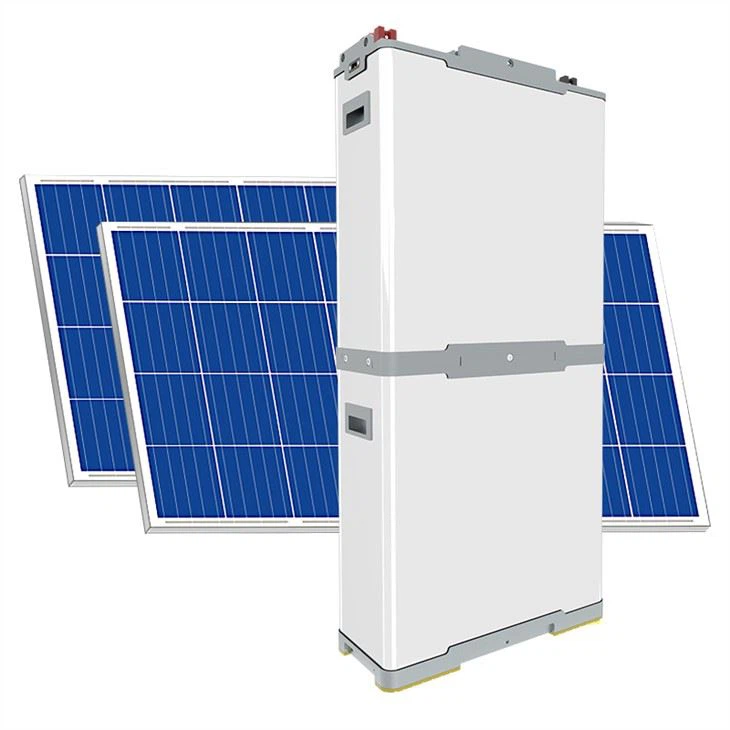
Lithium batteries are a modern way to store electricity generated by solar panels. During the daytime, solar panels produce power when sunlight is strong. Often, homes do not use all that energy immediately. Lithium batteries store the extra electricity so it can be used later, especially during the evening or during power outages. This simple function makes solar systems far more useful and reliable.
In Pakistan, traditional lead-acid batteries have been common for years. They are cheaper upfront, which is why many people still use them. However, lithium batteries are gaining attention because they last much longer and require very little maintenance. A good lithium battery can work efficiently for eight to ten years, while a typical lead-acid battery may need replacement within two to three years. Over time, this difference can reduce overall costs for users, even though the initial price is higher.
Another important advantage is efficiency. Lithium batteries charge faster and use energy more effectively. In a country where sunlight is abundant but electricity supply is uncertain, efficient storage becomes extremely valuable. These batteries are also lighter and take up less space, which is useful for urban homes and apartments where room is limited.
However, lithium batteries are not perfect. The biggest concern in Pakistan is the high initial cost. Many families cannot afford the large upfront investment, even if it saves money in the long run. Another challenge is the lack of awareness and technical knowledge. Some consumers do not understand the difference between battery types or how to maintain solar systems properly. Skilled technicians and proper installation are necessary to ensure safety and long-term performance.
Despite these challenges, the significance of lithium batteries in Pakistan is growing. With frequent electricity shortages and increasing tariffs, people are looking for reliable alternatives. Solar systems paired with lithium batteries provide independence from the unstable grid. Businesses can avoid downtime. Students can study without interruption. Hospitals and clinics can keep essential equipment running during outages.
There is also a wider national benefit. Greater use of solar energy with efficient storage can reduce reliance on imported fuels. This can ease pressure on foreign exchange reserves and support environmental goals by lowering carbon emissions. As technology improves and market competition increases, prices are likely to fall, making lithium batteries more accessible to ordinary households.
In conclusion, lithium batteries are not just a luxury technology; they are becoming a practical solution for Pakistan’s energy challenges. They make solar systems more dependable and efficient.
- The author is a veteran , contributes regularly in national dailies.
- anuhkaf@gmail.com