

- By: Captain (Retired) Umar Farooq

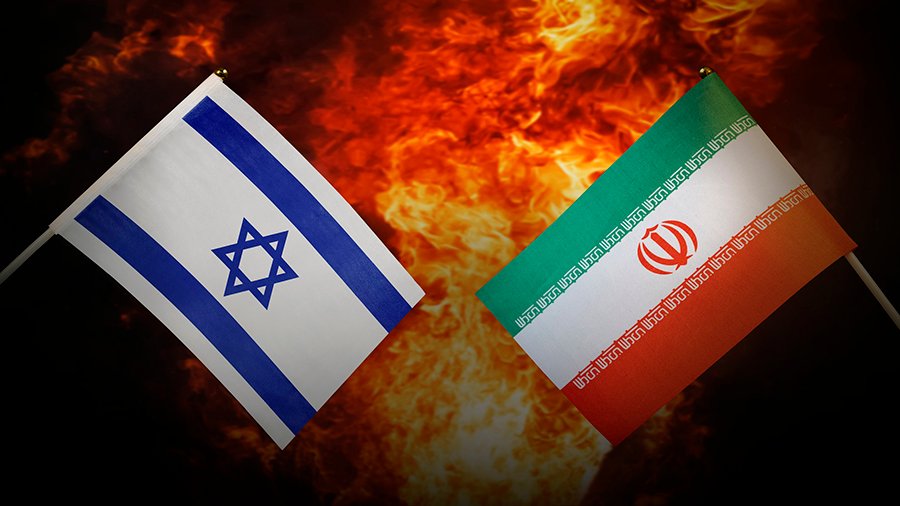
The recent two-week-long conflict between Iran and Israel has not only reshaped Middle Eastern dynamics but also provided several strategic lessons for countries like Pakistan. While the intensity of the war has subsided, its implications remain deeply relevant. From intelligence lapses to defense vulnerabilities, the conflict underlined critical areas of concern. For Pakistan, it is a moment to reflect, reassess, and reinforce our national security strategy.
- Intelligence Failures: A Costly Vulnerability
One of the most alarming aspects of the conflict was Israel’s successful infiltration into Iranian infrastructure through a deeply rooted network of informants. Many Israeli operatives, some posing as civilians or professionals, had allegedly been gathering sensitive information from within Iran for years. As a result, Israel was able to conduct precise and deadly strikes at the beginning of the conflict, targeting senior Iranian military officials and nuclear scientists.
This glaring intelligence failure serves as a stark warning. Pakistan must tighten its internal security framework. Foreigners operating in sensitive zones must be strictly monitored, and the presence of any Indian-Israeli networks—particularly in Balochistan and the tribal areas—should be neutralized through firm counterintelligence actions.
- Air Superiority Matters
Iran’s air force proved inadequate against the highly advanced Israeli Air Force. The inability to intercept enemy aircraft within national airspace led to considerable strategic losses. Pakistan must continue to invest in maintaining a technologically superior and combat-ready air force. Regional realities demand vigilance and continuous upgrades in aerial defense capabilities.
- Strengthening Missile and Drone Defense
Despite Israel’s advanced technology, Iranian missiles and drones managed to penetrate its defenses and cause significant infrastructural damage. This exposes the limits of even well-established missile defense systems. Pakistan must learn from this and develop or acquire a robust air defense shield capable of intercepting modern aerial threats, including drones and ballistic missiles.
- Diplomacy: A Wartime Asset
In the initial days of the conflict, Iran stood diplomatically isolated. Even traditional allies remained silent. This highlights the importance of building and sustaining diplomatic leverage long before a crisis emerges. For Pakistan, it is crucial to persistently expose Indian-sponsored terrorism and human rights violations in international forums. Proactive diplomacy must remain a constant endeavor.
- Securing Strategic Assets
Reports suggest that the U.S. had accurate intelligence on the location and vulnerabilities of Iranian nuclear sites. This enabled targeted strikes. For Pakistan, protecting strategic assets—especially nuclear facilities—must remain an absolute priority. Security protocols must be airtight, and any possibility of espionage must be eradicated through strict internal controls.
- Command Continuity and Secrecy
Wartime conditions demand quick succession and continuity in command structures. Iran suffered a leadership vacuum as key military and scientific figures were assassinated. It is imperative that such critical roles in Pakistan remain protected, with confidential chains of succession and minimal public exposure during times of conflict.
Military leaders must also avoid making public statements about operational intentions. Disclosing attack plans or capabilities undermines the very foundation of strategic surprise.
- Understanding the Realities of Nuclear Deterrence
While nuclear programs offer a strong deterrent, they are also magnets for espionage and sabotage. Pakistan must not only maintain its deterrent but ensure it is secure, unexposed, and strategically adaptable. Public boasting or politicization of nuclear capabilities must be avoided at all costs.
- Internal Stability: A Strategic Shield
The Iranian conflict revealed how external forces exploit internal divisions. Western powers, particularly the U.S. and Israel, have reportedly sought to influence Iran’s youth against the ruling regime. Pakistan must guard against such subversive tactics by promoting national unity, social stability, and institutional resilience.
- Caution in Alliances
Iran’s misreading of India’s position was another strategic blunder. While Iran expected neutrality, India fully supported Israel during the conflict. This is a reminder for Muslim nations to reassess their foreign policy assumptions regarding India and be mindful of its shifting alliances.
- Operational Secrecy Must Be Maintained
In several media briefings, Iranian officials shared details about their missile stockpiles and combat duration—information that should never be made public during wartime. Strategic ambiguity is often more powerful than open declarations. Pakistan must ensure its leadership exercises discretion and maintains operational confidentiality in conflict scenarios.
- Conclusion
Despite sustaining losses, Iran inflicted significant damage on Israel—demonstrating that even a heavily fortified adversary is not immune. For Israel, this conflict was a wake-up call. For Pakistan, it is a strategic lesson book.
From intelligence security to air defense, from diplomacy to nuclear safeguards, every aspect of national security must be treated as a high priority. The Iran-Israel conflict has reshaped the strategic landscape of the Middle East—and Pakistan must draw wisdom from it to fortify its own future.
- Captain (Retired) Umar Farooq is a former military officer and strategic affairs analyst.
- Views expressed are the author’s own and do not necessarily reflect the editorial stance of the newspaper.