

- By: Dr. Muhammad Tayyab Khan Singhanvi (Ph.D)
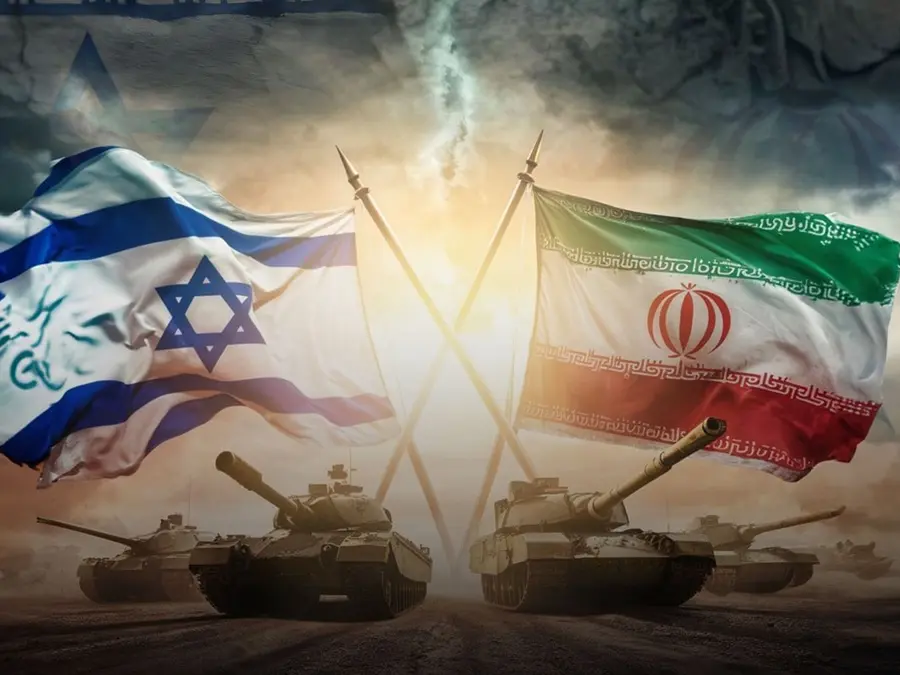
The recent conflict between Iran and Israel resulted in significant human and financial losses for both nations. According to reports from the United Nations and other credible organizations, the number of casualties in Iran ranges between 610 and 700, with over 1,300 to 3,000 people injured. The victims include high-ranking military commanders, nuclear scientists, and civilians. Iran’s Ministry of Health initially confirmed more than 400 deaths and over 3,000 injuries. However, funerals held in Tehran and independent reports suggest the death toll surpassed 600. Some unofficial sources, such as HRANA, claimed up to 974 fatalities, but this figure lacks verification from reputable sources like the BBC, Deutsche Welle, or the UN, and is thus considered unreliable.
In contrast, UN and international news agencies reported 24 to 28 deaths and over 840 injuries in Israel. Out of the approximately 550 missiles and over 1,000 drones launched by Iran, the majority were intercepted by Israel’s Iron Dome defense system. Nonetheless, some projectiles did strike populated areas, causing destruction in cities like Be’er Sheva. A notable attack on the Soroka Medical Center resulted in over 50 injuries, a figure confirmed by the World Health Organization. Though some unverified sources estimated Israel’s financial losses at $1.47 billion, no official confirmation has been provided by the Israeli government or international financial institutions.
Israeli airstrikes inflicted serious damage on Iranian nuclear facilities and military infrastructure in Natanz, Isfahan, and Tehran. This dealt a temporary blow to Iran’s nuclear ambitions. The missile strike on Tehran’s Evin Prison raised serious concerns among human rights organizations, which called it a possible violation of international law. The loss of key military leaders created a vacuum in Iran’s defense hierarchy, prompting the armed forces to quickly initiate new strategies to adapt to the evolving situation.
While Israel’s defense systems largely succeeded in repelling Iranian attacks, civilian life across multiple regions was significantly disrupted. Emergency services, schools, and essential infrastructure experienced temporary shutdowns. Public movement was restricted due to fear, and the Israeli stock market saw a 2.3% drop in a single day, highlighting the economic pressures caused by the conflict.
On the global stage, the conflict and the subsequent ceasefire had far-reaching implications beyond the Middle East. Global oil prices fluctuated, financial markets showed signs of volatility, and diplomatic tensions increased. The war thus transitioned from a regional clash to a matter of global concern. However, international efforts following the ceasefire helped stabilize oil prices and reassured global markets to some extent.
Overall, both Iran and Israel suffered human, economic, and political damage. Their respective defense postures were weakened, and the world was reminded of the broader implications of instability in this volatile region. Moving forward, Iran must reassess its internal structure, defense strategy, and diplomatic engagements. Similarly, Israel must balance its military superiority with prudent diplomacy to prevent future escalations.
Former U.S. President Donald Trump, in his most recent statement, praised Iran’s courage and resilience during the war. He claimed that the last two days before the ceasefire proved especially damaging for Israel, as Iran effectively deployed its military capabilities, causing significant destruction to Israeli targets. According to Trump, Iran’s ballistic missiles destroyed multiple Israeli buildings, and the country sustained considerable losses. He called the Iranian people “wonderful” and deemed the ceasefire a major diplomatic success for all parties involved. Trump’s comments sparked widespread international debate, with many analysts viewing them as tacit support for Iran’s stance and a partial rejection of Israel’s narrative.
Tensions between Iran and Israel have persisted for decades. Since the 1979 Islamic Revolution, Iran has placed the Palestinian cause at the core of its foreign policy, labeling Israel a usurping regime. In response, Israel has viewed Iran’s military activities as a threat to its existence. Both nations have long engaged in proxy wars, covert operations, and diplomatic hostilities, all of which culminated in this intense and destructive confrontation.
The war began with Iranian or Iranian-backed attacks on Israeli interests in Syria and Lebanon. Israel retaliated by targeting suspected Iranian nuclear and military sites. Although both sides suffered losses, neither gained decisive superiority. While Israel showcased the effectiveness of its defense systems, Iran responded with a range of conventional and unconventional measures, disrupting normal life in several Israeli regions.
For Iran, the war came at a particularly challenging time. Economic sanctions had already weakened its economy. The conflict further strained its oil exports, foreign reserves, and internal financial systems. Inflation and unemployment surged, heightening public anxiety. Nevertheless, Iran took swift measures to mitigate the crisis, including enhancing military coordination with regional allies and reassessing domestic defense strategies.
Israel, meanwhile, did not escape unscathed. Its image of invincibility and military dominance was visibly shaken. Drone and missile strikes rattled several civilian areas, sparking public concerns over national security. Economic activity slowed, and the government faced criticism over the timing and management of the ceasefire. This has led to growing calls within Israel for a balanced approach that combines military preparedness with strategic diplomacy.
The international community moved quickly to de-escalate the conflict. The U.S., China, Russia, the European Union, Qatar, and Turkey all made diplomatic efforts to bring the parties to the negotiation table. The UN and the International Atomic Energy Agency (IAEA) called for stricter oversight of Iran’s nuclear program, while urging Israel to operate within the boundaries of international law.
Economically, the war harmed both nations. Global oil prices saw fluctuations, financial markets became unstable, and uncertainty dampened investor confidence across the region. Although there has been a temporary recovery since the ceasefire, its sustainability depends on both countries avoiding further conflict and prioritizing dialogue.
Politically, the war triggered internal repercussions in both states. In Iran, public support for the government grew, with many celebrating what they saw as a victory in military resistance. Conversely, in Israel, debates arose around whether ending the war was a missed opportunity or a wise decision. These discussions revealed the complexities and divisions within Israeli politics.
The global community now fully recognizes that the Iran-Israel conflict is not a localized issue it has global consequences. Critical aspects such as energy security, trade, migration, and regional peace are closely linked to this volatile situation. To ensure lasting stability, a long-term, coordinated, and actionable strategy is needed one that includes military restraint, diplomatic dialogue, economic planning, humanitarian consideration, and adherence to international law.
While the current ceasefire offers a temporary reprieve, it does not guarantee lasting peace. Iran must advance its nuclear and defense programs with transparency and in collaboration with regional and international stakeholders. Israel, on the other hand, must complement its military prowess with diplomatic foresight and treat the Palestinian issue with humanitarian and legal sensitivity to foster genuine regional stability.
Now more than ever, both countries must reevaluate their policies, give priority to diplomacy, and allow the global community to play an active and impartial mediatory role. Only through such comprehensive efforts can the crisis be contained and a new era of sustainable development and peace begin in the Middle East. Otherwise, this conflict will remain a persistent threat to global security.