

- By: Captain Umar Farooq (Retired)
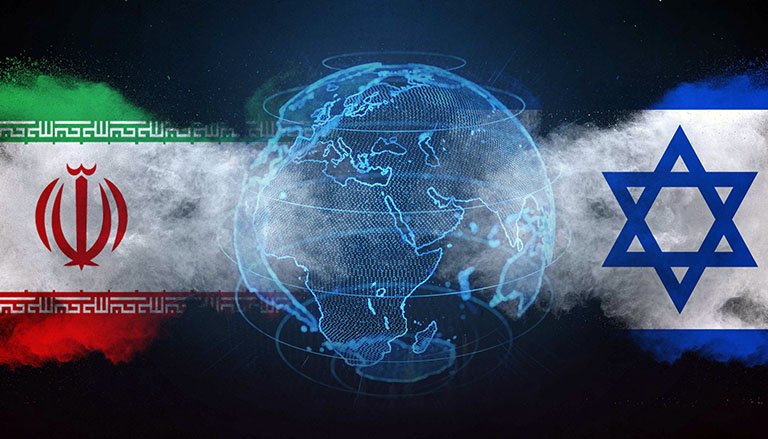
The ongoing conflict between Israel and Iran has entered its thirteenth day, and the situation continues to grow increasingly dangerous. With the United States and Israel carrying out airstrikes on Iranian targets while Iran launches missiles and drones toward Israel and American military bases in the Gulf region, the confrontation is rapidly transforming into a conflict with global implications. Many analysts believe this crisis could reshape international politics and significantly alter the strategic and geopolitical dynamics of the Gulf.
One of the most striking developments in the conflict is the apparent vulnerability of American military infrastructure in the region. Several US bases and radar systems in Gulf countries have reportedly been targeted by Iranian missiles and drones, raising serious questions about the effectiveness of existing defense mechanisms. The attacks have highlighted potential gaps in the defensive network that was long considered highly advanced and difficult to penetrate.
The conflict has also exposed the vulnerability of Gulf Arab states. Key facilities such as airports, oil refineries, commercial hubs, and other strategic assets appear to be at risk in the event of a wider escalation. Critics argue that both the United States and Gulf states underestimated Iran’s growing military capabilities, particularly in missile and drone technology. As a result, the region now faces heightened security concerns and uncertainty.
Another significant aspect of the war is Iran’s apparent improvement in technological capabilities. Iranian strikes have reportedly demonstrated high levels of accuracy, suggesting either enhanced domestic satellite and cyber capabilities or possible intelligence support from allied states. The precise targeting of strategic locations in Israel and the Gulf has intensified speculation about the sophistication of Iran’s military systems.
At the same time, Israel’s long-standing claims of possessing an impenetrable defense shield have come under scrutiny. Despite its advanced missile defense systems, Israel has still faced incoming Iranian drones and missiles, revealing that even technologically advanced nations are not immune to modern asymmetric warfare.
Beyond the battlefield, the conflict is also affecting the global economy. Rising tensions have already contributed to instability in oil markets, and fears are growing over the potential closure of the Strait of Hormuz. As one of the world’s most critical oil transit routes, any disruption there could trigger a severe energy crisis and inflation across international markets.
The confrontation is also having indirect effects on neighboring countries, particularly Pakistan. Given Pakistan’s geographical proximity to Iran, the crisis has direct implications for regional stability, border security, and economic planning. Pakistan must remain vigilant, particularly regarding energy supplies and diplomatic balancing, as it maintains strategic relationships with both Iran and Gulf states such as Saudi Arabia.
Another concern arising from the conflict is the possibility of a broader geopolitical shift. Major powers such as China and Russia may take strategic counter-steps to protect their interests in the region, potentially intensifying global rivalries. If the conflict continues to escalate, it could further polarize international alliances and reshape power structures across the Middle East.
The humanitarian cost of the war is also deeply troubling. Civilian casualties on both sides continue to mount, highlighting the tragic human dimension of modern warfare. Schools, residential areas, and civilian infrastructure have reportedly suffered damage during the conflict, reminding the world that innocent people often bear the heaviest burden of geopolitical struggles.
Environmental concerns are also emerging as an overlooked consequence of the war. The extensive use of missiles, drones, and aerial bombardment can have lasting effects on the region’s atmosphere and environment, potentially affecting ecosystems and climate patterns in the Gulf and surrounding regions.
Critics of the conflict argue that international institutions must play a stronger role in preventing such wars. Many believe that global powers and organizations, including the United Nations, should intensify diplomatic efforts to de-escalate the crisis and prevent further loss of life. The argument is that billions of dollars spent on warfare could instead be directed toward humanitarian assistance, scientific advancement, and global development.
Looking ahead, the conflict between Iran and Israel may leave long-term scars on both nations and the broader region. Economies could suffer prolonged disruptions, security spending may increase dramatically, and regional alliances could shift in response to new threats. The crisis also underscores the urgent need for stronger international norms and mechanisms to prevent unilateral military actions that risk destabilizing entire regions.
Ultimately, the world now watches anxiously as events unfold. Whether through diplomacy or continued confrontation, the outcome of this conflict will likely shape Middle Eastern politics and global strategic relations for many years to come. The hope remains that dialogue and restraint will prevail before the crisis spirals into an even larger and more destructive war.