

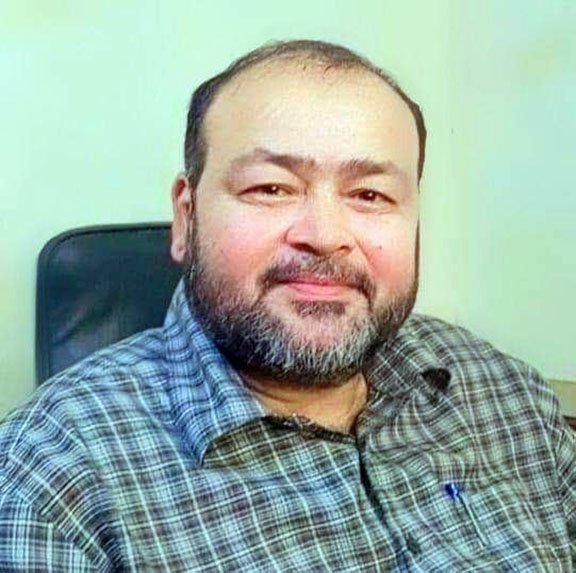
- By: Dr. Muhammad Tayyab Khan Singhanvi (Ph.D)
The beloved homeland, Pakistan, was established on August 14, 1947, as a result of the unparalleled sacrifices of the Muslims of the subcontinent, the inspiring leadership of Quaid-e-Azam Muhammad Ali Jinnah, and the foundation laid by the ideology of Pakistan. This nation was not born out of a mere geographical division, but rather it emerged as the embodiment of a lofty vision one grounded in Islamic principles, sovereignty, justice, equality, and collective welfare. As we raise our flag in 2025 to mark the 78th Independence Day, it is not just a customary celebration, but a solemn moment of reflection compelling us to ask what we have lost, what we have gained, and what direction we must take as a nation.
Over the past seven decades, Pakistan has achieved many commendable milestones. A country that began in 1947 with limited financial, industrial, and educational resources is today a nuclear power. In the realm of defense, Pakistan has not only strengthened its capabilities but also earned recognition on the international stage. In agriculture, medicine, technology, and sports, Pakistani experts have made their mark. In education and research, our students, teachers, and scholars have distinguished themselves globally. The rising tide of youth moving toward IT, freelancing, and startup culture is injecting new vitality into national progress.
In literature, arts, music, film, and drama, Pakistan has carved out a unique cultural identity. Globally, Pakistani artists, musicians, and writers are gaining recognition. On the diplomatic front, Pakistan has maintained a visible presence in the United Nations, the OIC, and various international forums. Projects like CPEC have laid the foundation for a new era of regional trade and development.
Yet, despite these successes, we must not turn a blind eye to the bitter realities that have fractured the dream. Deviations from the founding objectives of Pakistan, repeated disruptions of democratic norms, institutional weaknesses, and the plague of corruption have gravely eroded public trust and the integrity of the state. Fundamental sectors such as education and healthcare remain neglected. A significant portion of the population still suffers from poverty, unemployment, and lack of justice. Our youth are sinking into the quicksand of despair.
Rather than fostering national unity, ethnic, provincial, and sectarian divisions have weakened the very fabric of our society. The judicial system is plagued by delays, and political parties continue to place personal interests above national priorities. In foreign policy, greater consistency, confidence, and strengthening of Pakistan’s position are urgently needed particularly concerning tensions with India, the unresolved Kashmir issue, instability in Afghanistan, and the need to maintain balance amid global power dynamics.
In 2025, the world is rapidly advancing toward a digital revolution, artificial intelligence, biotechnology, and environmental preservation. Meanwhile, Pakistan remains entangled in outdated political rivalries, systemic dysfunction, and entrenched social problems. The cancer of corruption has paralyzed public institutions. The media, rather than playing a reformative role, is largely consumed by commercialism and sensationalism. On social media, false narratives are misleading the youth, fueling intellectual disarray.
In these circumstances, it is essential not only to recognize the shortcomings of the past but also to formulate a clear, cohesive, and actionable roadmap for the future. Education must be made the top priority, with a curriculum that promotes critical thinking, research, and humanism. Institutions must be made autonomous and accountable. A strict, impartial, and transparent system of accountability must be established to eradicate corruption. Political stability, dialogue, and democratic continuity must be encouraged.
Economic reforms, boosting exports, and ensuring dignified employment opportunities for youth are imperative. A balanced foreign policy and improved relations with neighboring countries are the need of the hour. Without significant investment in science and technology, the dream of national progress will remain elusive. Immediate attention must also be given to renewable energy, water conservation, and environmental protection. Above all, interfaith harmony, social cohesion, and respect for humanity must be nurtured in society.
The 78th Independence Day of our homeland should not be limited to anthems, flags, and speeches it must be a day of collective introspection, self-accountability, and action. We must decide whether we aspire to build a dignified, sovereign, educated, peaceful, and prosperous Pakistan, or if we are content merely taking pride in the past. This country was secured through the sacrifices of millions. Now is the time to elevate it through our intellectual and practical contributions to the stature envisioned by Allama Iqbal and for which Quaid-e-Azam dedicated his entire life. That is our true responsibility and the promise of a new dawn.