

- By: Rizwan Inayat
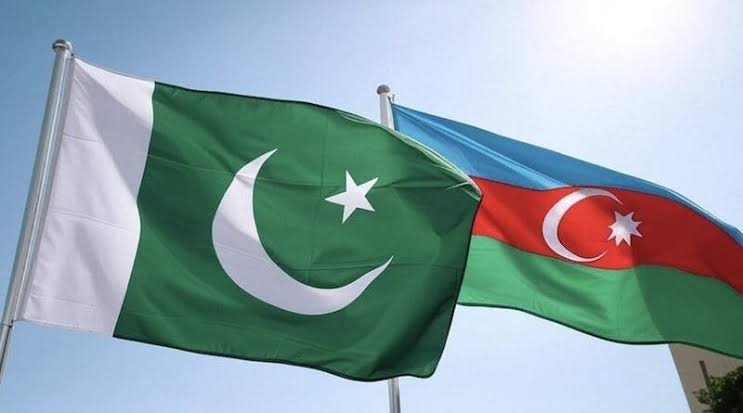
When Ambassador Khazar Farhadov arrived to lead Azerbaijan’s mission in Pakistan in 2021, the two countries already shared decades of goodwill. What’s happened in the five years since, though, isn’t just an extension of that goodwill — it’s a wholesale institutionalization of it, stretching from presidential palaces to university lecture halls, from fighter jet cockpits to visa application portals. Here’s what that transformation actually looked like.
- A Relationship Built at the Top
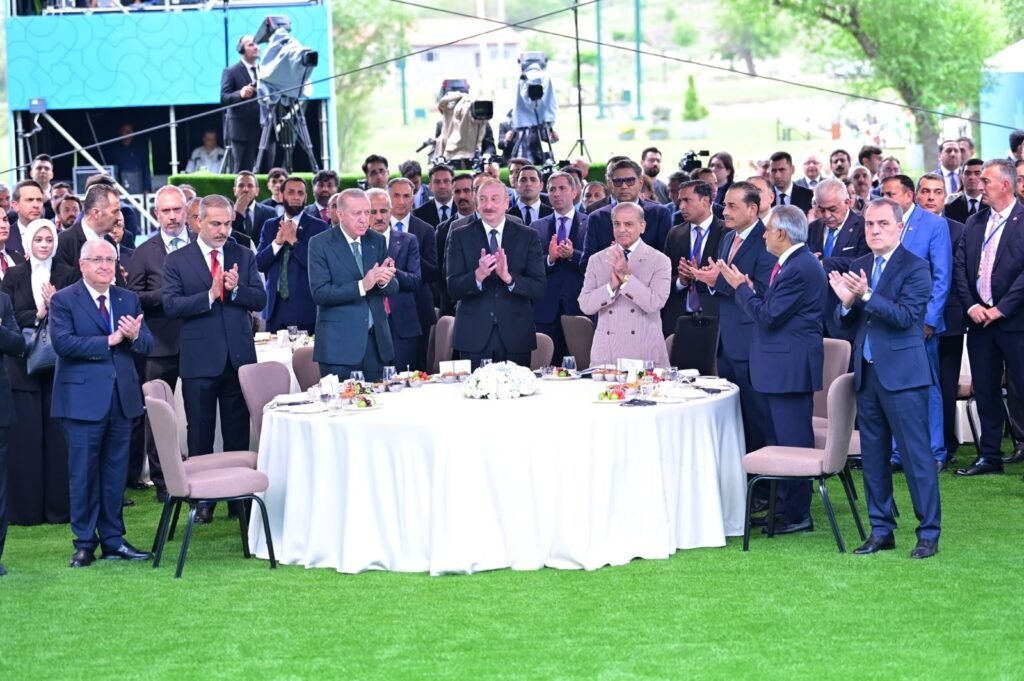
Diplomacy of this depth doesn’t happen by accident, and the numbers behind it are striking. Over the five-year period, the leaders of both nations exchanged visits seven times, each producing concrete executive directives rather than the usual photo-op communiqués. Parliamentary speakers met six times. Foreign ministries held two full rounds of political consultations, and the Joint Intergovernmental Commission convened twice to keep the machinery of cooperation turning between summits.
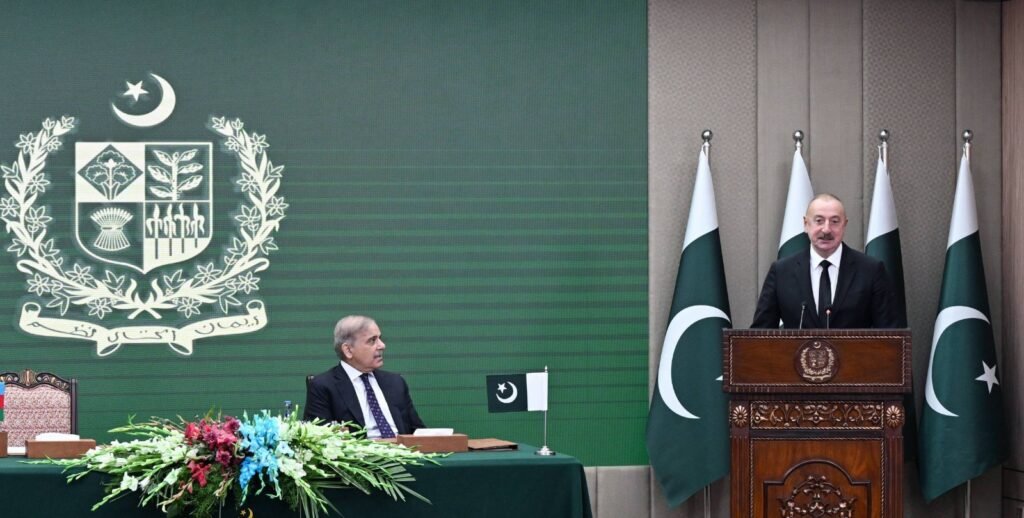
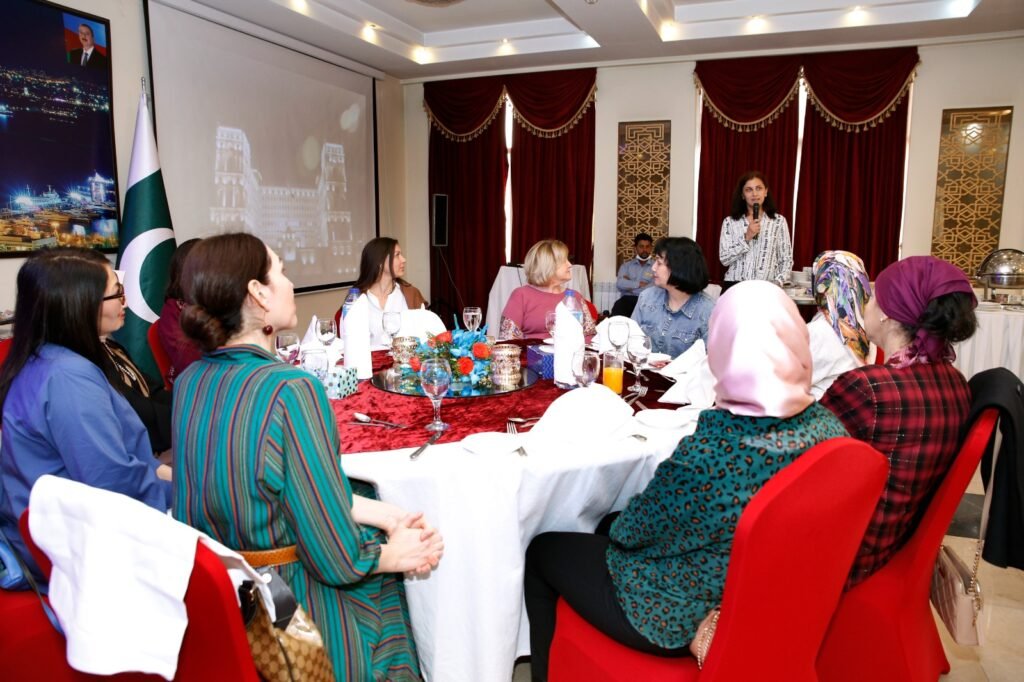
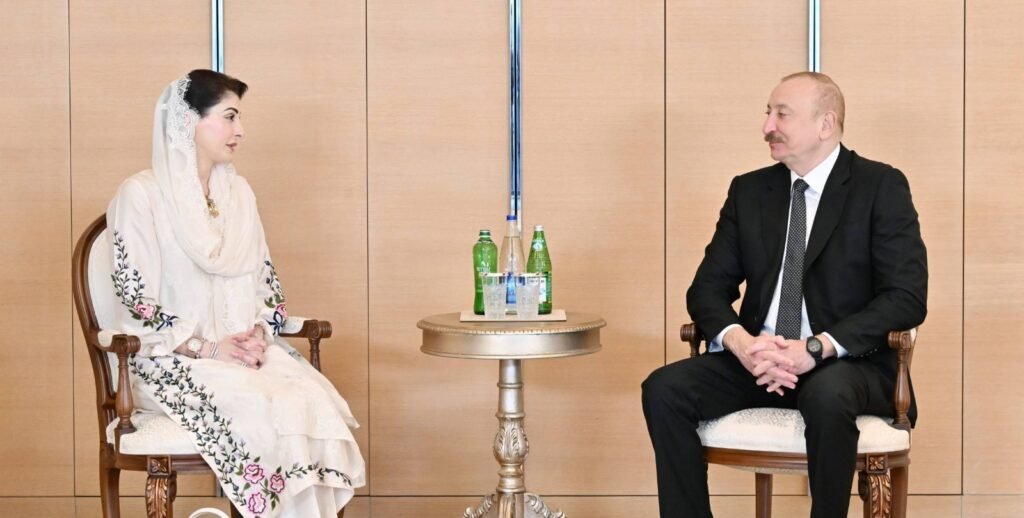
One visit stands out as a genuine first: Punjab’s chief minister became the first Pakistani provincial leader ever to make an official visit to Azerbaijan — a small detail that says a lot about where this relationship is heading. Bilateral ties are no longer just a matter for federal capitals; they’re reaching directly into regional economic hubs.
- From Joint Drills to Jet Deliveries
If diplomacy set the tone, defense cooperation gave the relationship its teeth. Over five years, the countries’ military leadership — defense ministers, chiefs of army staff, and the heads of air forces and navies — moved between Baku and Islamabad with a frequency more typical of treaty allies than of two countries that, geographically, aren’t even neighbors.
The joint exercises tell their own story of escalating ambition. It started in 2021 with Three Brothers, the first-ever trilateral special forces drill bringing together Azerbaijan, Pakistan, and Turkey in Baku. By 2025, that had grown into Eternal Brotherhood-IV, a multilateral exercise spanning five nations — Azerbaijan, Pakistan, Turkey, Kazakhstan, and Uzbekistan. In parallel, Indus Shield exercises hosted Azerbaijani troops on Pakistani soil in 2023 and 2024, before flipping the arrangement entirely in October 2025 with Indus Shield Alpha, held on Azerbaijani territory for the first time.
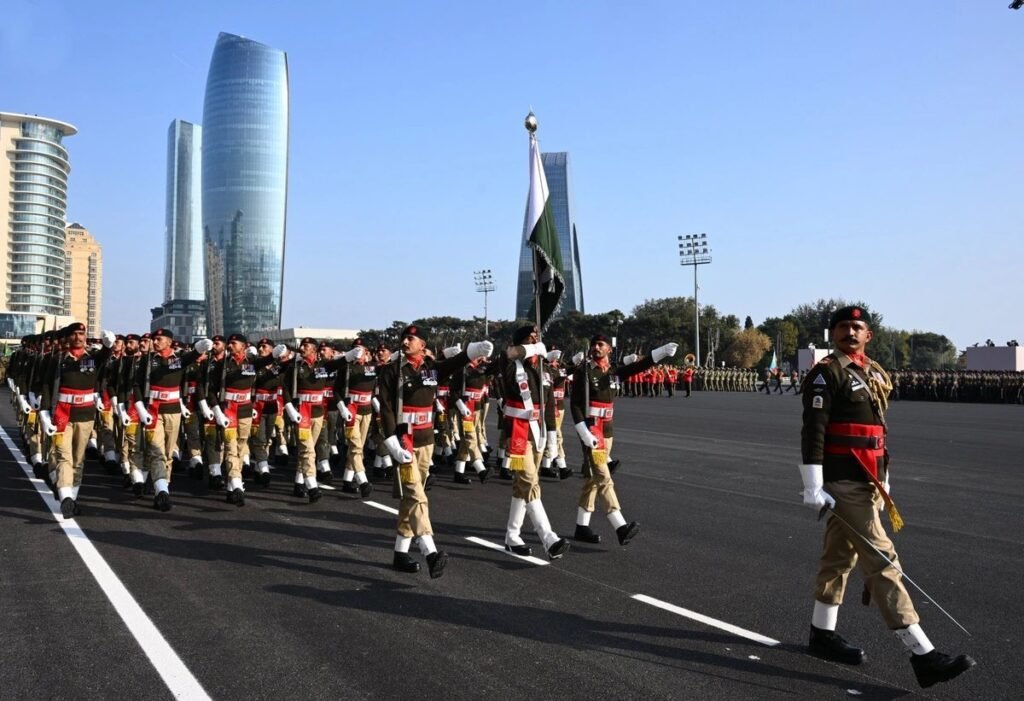
The two militaries have also literally marched together: Azerbaijani commando and military band units featured in Pakistan’s National Day parades in 2022, 2024, and 2025, while a Pakistani Armed Forces contingent marched through Baku in November 2025 to mark the fifth anniversary of Azerbaijan’s Victory Day — with Pakistani JF-17 Thunder jets performing a live aerial display overhead.
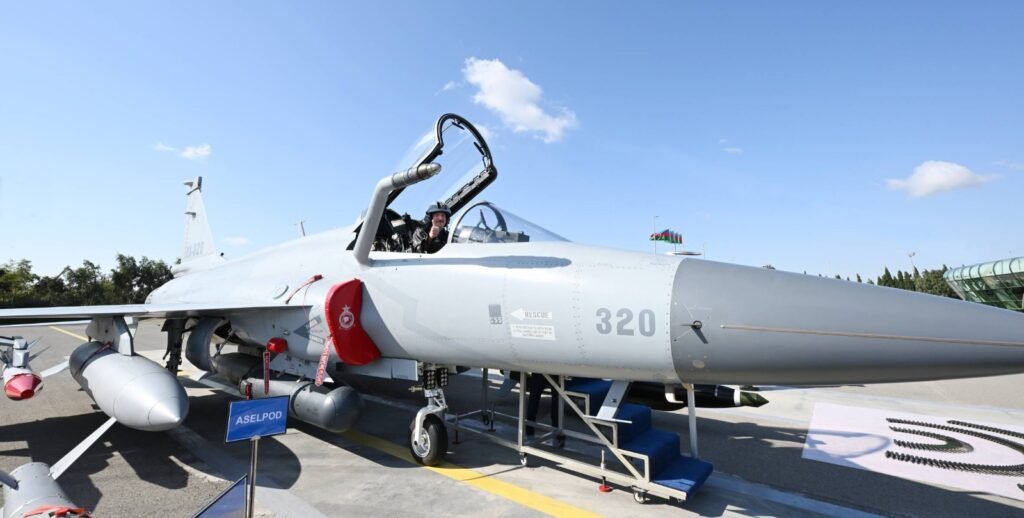
That last detail isn’t just ceremonial. It’s a preview of what may be the tenure’s single biggest defense milestone: Azerbaijan’s formal procurement and induction of the JF-17 Thunder into its own military arsenal, a jointly produced Pakistani-Chinese fighter jet now flying under Azerbaijani colors for the first time.
- The Trade Numbers That Tell the Real Story
Bilateral trade has moved from a footnote to a headline. Trade volume climbed from a modest USD 11 million to hundreds of millions of dollars, propelled in large part by defense-industry trade alongside more traditional flows of LNG, urea, and sugar.
The bigger number on the horizon, though, is investment. In 2024, Azerbaijan’s head of state announced a USD 2 billion investment package targeting commercially viable sectors of the Pakistani economy. That announcement is no longer just a pledge — SOCAR has already launched active operations, and the groundbreaking ceremony for the “White Oil Pipeline” is now expected within the coming months.
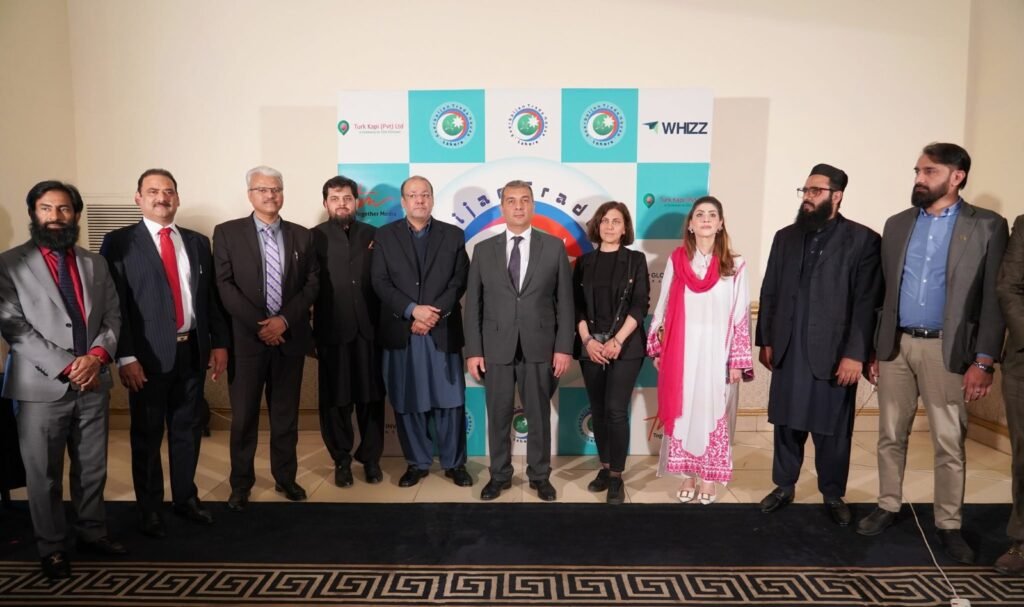
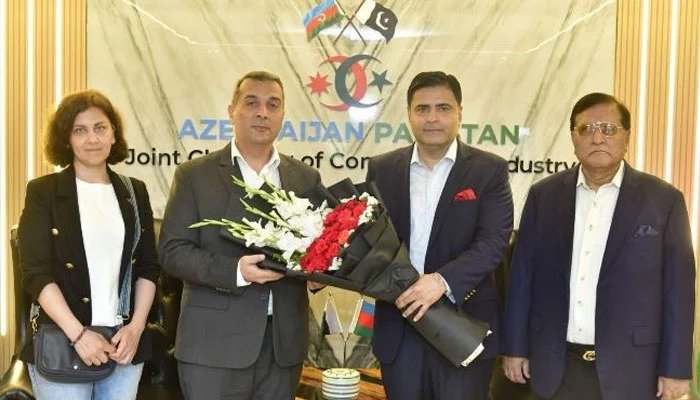

None of this happens without legal scaffolding, and both countries have built plenty of it: a Preferential Trade Agreement, a Transit Trade Agreement, the new Azerbaijan-Pakistan Joint Chamber of Commerce and Industry in Islamabad, and an Azerbaijan Trade House in Lahore.
- Closing the Distance, Literally
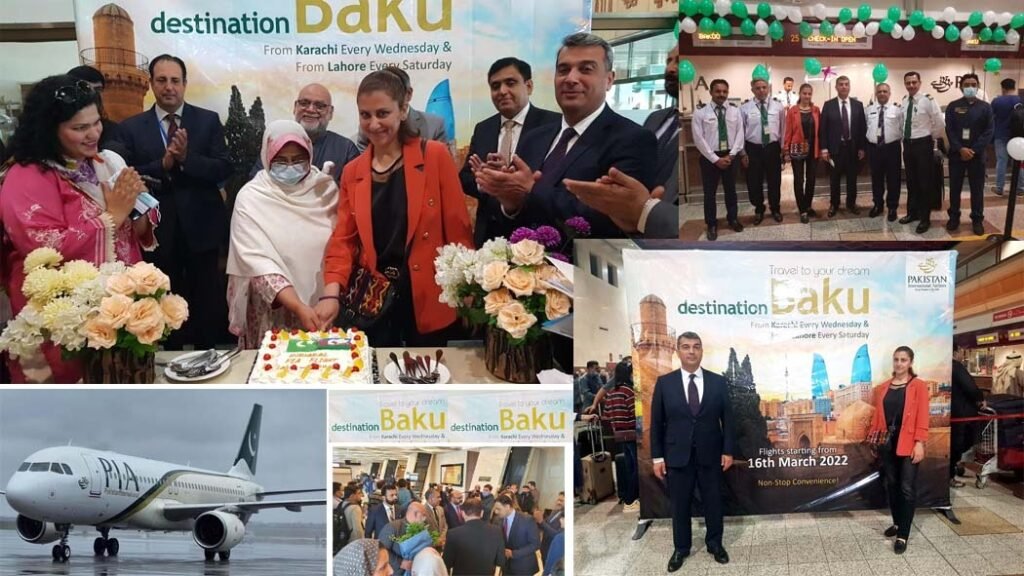
For decades, getting between Baku and Islamabad meant an indirect, often inconvenient journey. That changed with the launch of 11 weekly direct flights via AZAL, PIA, and Airblue — the first direct air connectivity between the two countries in nearly 30 years.
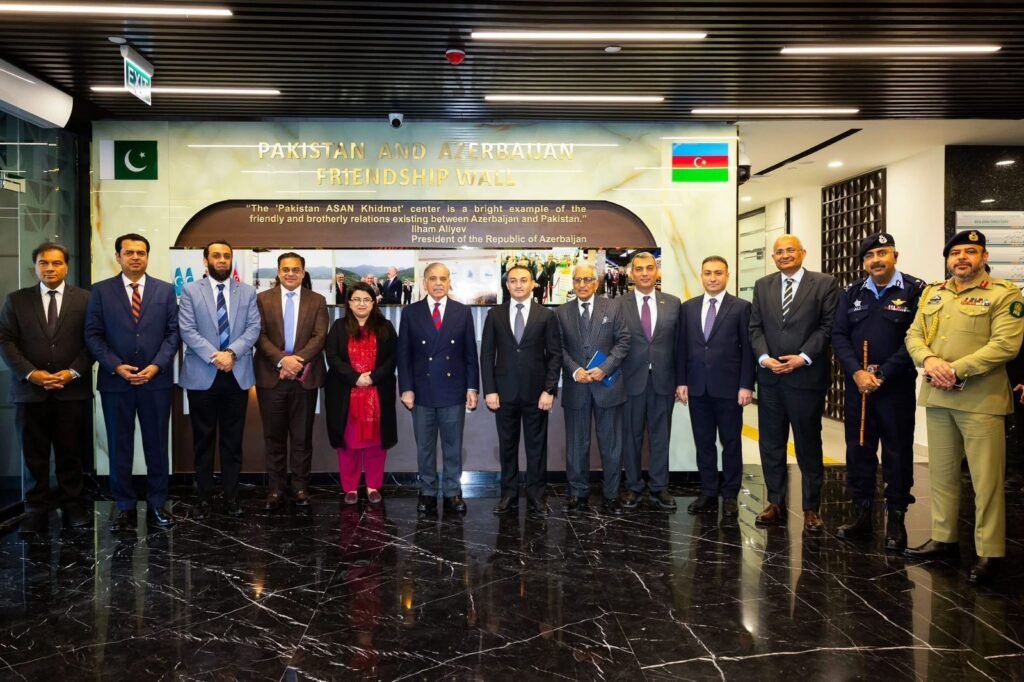
The traffic on those flights has grown fast. Helped by Azerbaijan’s ASAN online visa system, the number of Pakistani travelers to Azerbaijan hit roughly 92,000 in 2025, and current growth trends put that figure on track to cross 100,000 by the end of 2026. Azerbaijan has even exported a piece of its own governance model to Pakistan, with an “ASAN Service Center” now built and operating in Islamabad, modernizing public service delivery along Azerbaijani lines.
The sister-city map has grown too. Ganja and Multan have been sister cities since 1996, but the last five years added Baku-Islamabad and Nakhchivan-Lahore to that list.
- Building the Next Generation of the Relationship
Perhaps the most quietly significant shift has happened on university campuses. The number of Pakistani students studying in Azerbaijan grew twentyfold — from around 100 to 2,000 — over the five-year period, backed by institutional agreements between major universities and think tanks on both sides, including ANAS, Baku State University, ADA University, Quaid-i-Azam University, NUST, and GCU Lahore, among others.
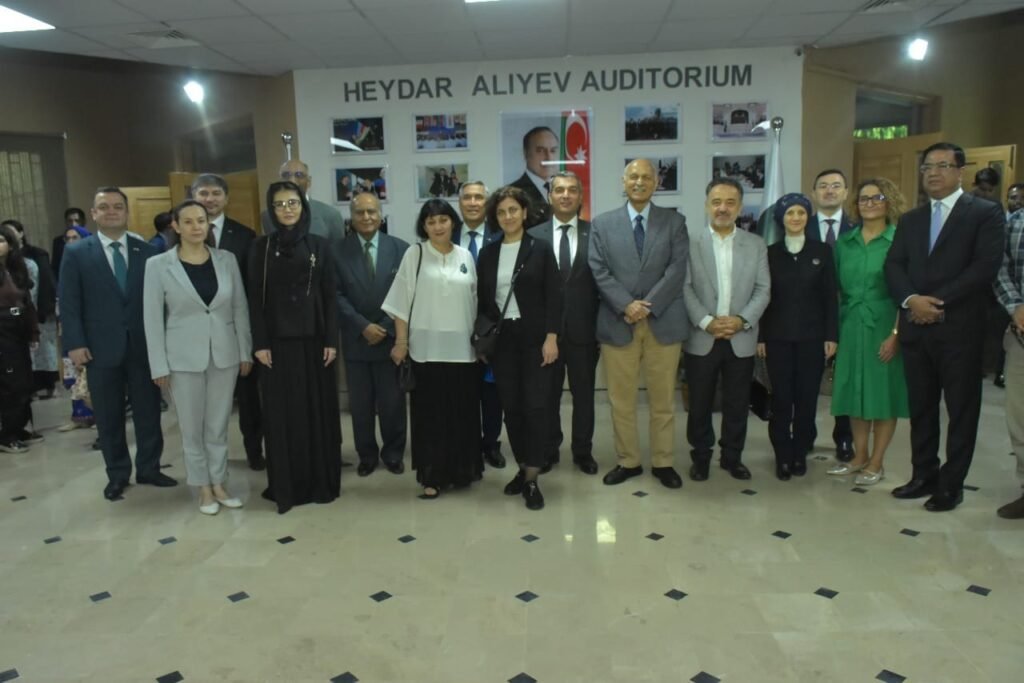
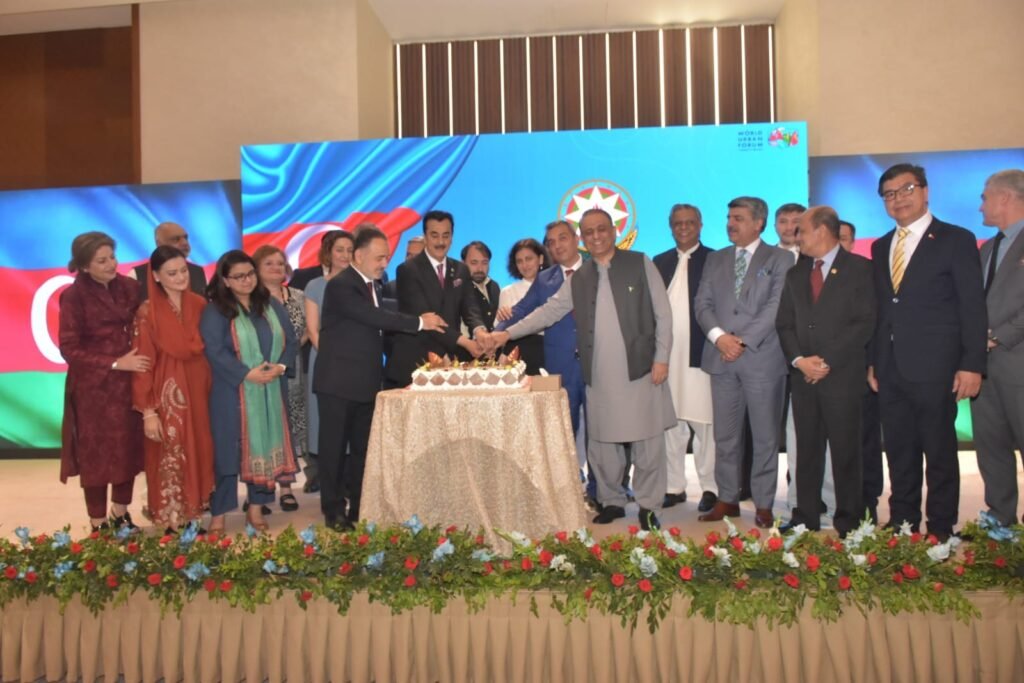
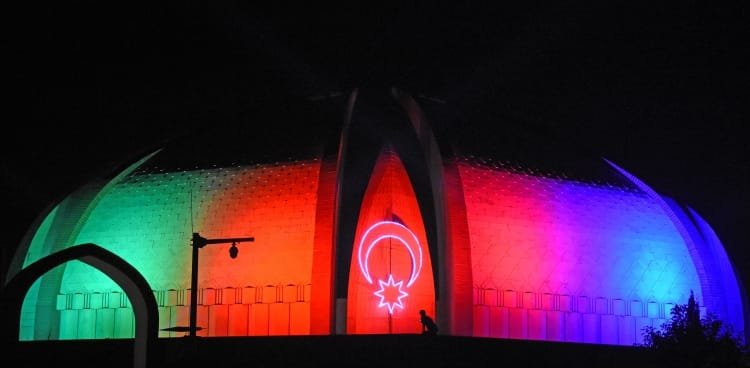
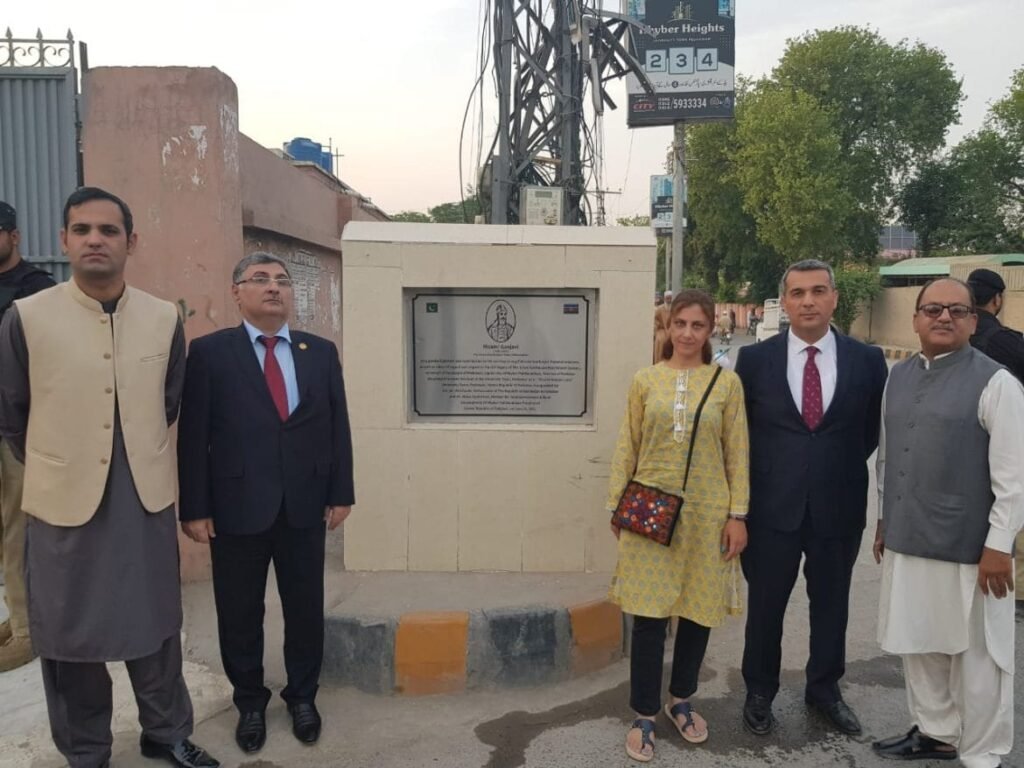
That academic exchange now has physical landmarks to match it: a Heydar Aliyev Auditorium at NUST, an Azerbaijan Language and Culture Center at NUML, a joint Azerbaijan-Urdu Science Center at GCU Lahore, a fully renovated Azerbaijan Studies Center at Pakistan’s National Library, and a Nizami Ganjavi Corner at the National Book Foundation. The language exchange runs both directions — Urdu is now taught at Baku State University, while a dedicated Pakistan Center has opened at the Azerbaijan University of Languages.
- A Triangle, Not Just a Line
None of this cooperation has developed in isolation. Azerbaijan and Pakistan’s bilateral relationship has increasingly folded into a trilateral framework with Turkey, elevated over these five years from meetings between foreign ministers and parliament speakers to full leader-level summits — three of them, held in Astana, Lachin, and Baku. Parliament speakers from all three countries met three times over the same period, reinforcing that this is a structured, recurring format rather than occasional diplomacy.
- The Paper Trail Behind the Partnership
Underpinning all of it is a substantial body of formal agreements — nearly 40 documents in total, spanning economy, trade, investment, military and defense industry cooperation, culture, education, tourism, sister-city partnerships, legal cooperation, and the public-services model exported through ASAN.
Taken together, the five-year record under Ambassador Farhadov reads less like a diplomatic tenure and more like the deliberate construction of a partnership meant to outlast any single ambassador, government, or election cycle — built simultaneously from the top down, through summits and defense contracts, and from the ground up, through classrooms, flight schedules, and city-to-city friendships.