

- By: Wania Tahir
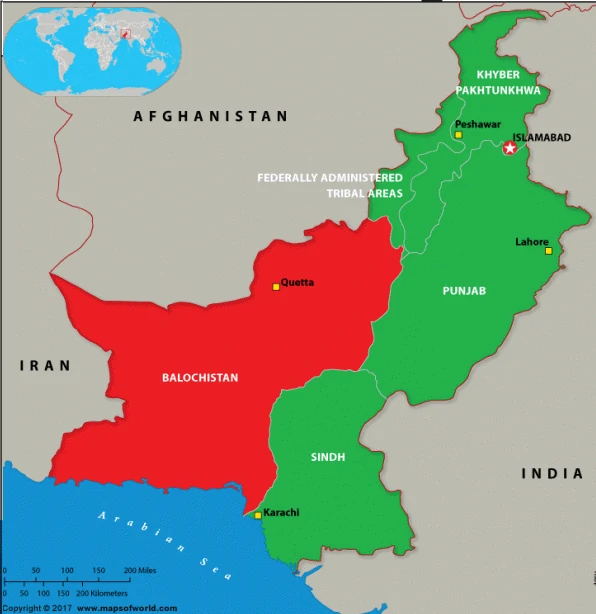
Balochistan, Pakistan’s largest yet most underdeveloped province, is witnessing a quiet but promising digital transformation. Traditionally marginalized in national development agendas, Balochistan is now entering the digital era through a combination of public policy, youth-centered programs, and infrastructure investments. The province’s first digital policy, approved in 2021, marked a turning point. It set a strategic roadmap for e-governance, data centers, and public access to internet services. Implementation has since taken root with projects ranging from IT parks and centralized databases to AI integration in public systems.
One of the most encouraging developments is the digitalization of public service delivery in districts such as Chaman, where residents can now register FIRs, apply for land transfers, and access official documents entirely online. This marks a shift from bureaucratic hurdles to efficient, citizen-centered administration. Simultaneously, the government has initiated the use of artificial intelligence in governance. This includes performance monitoring of public departments and identifying talent among students using AI tools under the Balochistan Education Endowment Fund. These innovations reflect a commitment to using technology for transparency, accountability, and better public planning.
On the economic front, efforts to align youth with emerging digital opportunities have gained momentum. Technical and vocational education centers have been established in cities like Gwadar and Jaffarabad, offering courses in information technology, e-commerce, smart agriculture, and automation. Such programs not only provide marketable skills but also prepare the local workforce for employment opportunities arising from the China-Pakistan Economic Corridor (CPEC) and regional trade expansion. The Gwadar Institute of Technology, backed by the government and military, stands out as a beacon for skilled-based training in the region.
A notable initiative contributing to digital empowerment in Balochistan is the Digibizz Freelancing Program, being run at Girls Postgraduate College Quetta Cantt. This project, under the leadership of focal person Wania Tahir, is focused on equipping young women with practical skills in freelancing, digital marketing, and online entrepreneurship. Through a hands-on curriculum, participants are trained to create profiles on international platforms, manage freelance projects, and navigate the digital economy with confidence. The program aims not only to create income-generating opportunities but also to boost self-reliance among female students, many of whom previously lacked access to such resources. By nurturing a generation of women freelancers, the Digibizz initiative is making a tangible impact on female economic inclusion in a traditionally conservative setting.
Digital inclusion is also extending to other marginalized groups. Programs targeting persons with disabilities and rural youth are gradually bridging the skills and connectivity gaps. These efforts, combined with community-level digital awareness campaigns, are creating a more inclusive digital ecosystem in the province.
Despite these gains, challenges remain. Internet connectivity is still limited in many rural areas.
The province needs better cyber infrastructure, more IT incubators, and greater private-sector involvement to truly thrive in the digital economy. Nonetheless, the direction is clear: Balochistan is no longer waiting on the sidelines. Its people, especially its youth and women, are increasingly equipped with the tools to innovate, participate, and contribute to the national tech narrative. With continued support, security, and investment, Balochistan can transform its socio-economic landscape through the power of information technology.