

- By: Kinza Batool
Have you ever thought, how a tiny mosquito has become one of the fastest-growing health concerns of our time?
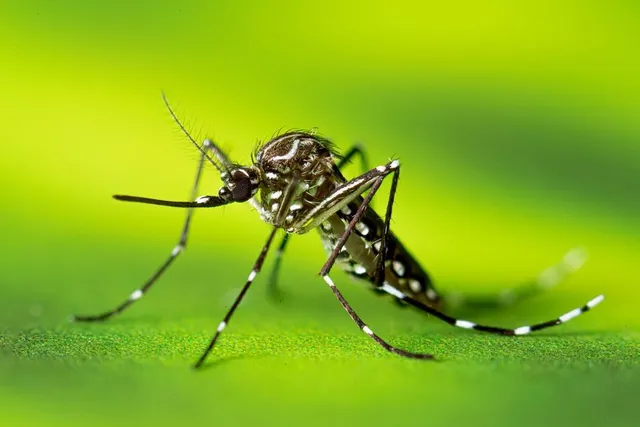
A mosquito is a small flying insect and member of Culicidae family, known for being a vector for the transmission of diseases through blood-feeding habits of female mosquitoes, to obtain essential nutrients in the form of blood for mature egg production. As a result, they can cause diseases such as; malaria, dengue, and yellow fever. The specific diseases transmitted by them depends on the mosquito species and the parasites they carry.
Dengue, a mosquito borne viral infection is caused by dengue virus, transmitted to humans through bite of infected female Aedes aegypti mosquitoes. In recent years, the incidence of dengue has grown dramatically, with more than half of the world’s population at risk, becoming one of the top ten global health threats, according to the World Health Organization (WHO). This growing global buden of dengue has placed healthcare systems, especially developing nations, under heavy pressure, highlighting the urgent need for international cooperation to control this disease.
Dengue is now endemic in over 100 countries. The number of cases reported has increased sharply, with thousands of deaths recorded annually. According to the World Health Organization (WHO), more than 14.6 million dengue cases were reported globally in 2024, and the death rate exceeded 12000.
This rapid increase is due to rapid urbanization, population growth, climate change, poor waste management and unclean surroundings, which create ideal and favourable conditions for Aedes mosquitoes to breed, multiply and spread. International travel has also contributed to the wider spread of the virus in regions where dengue was previously rare.
The global rise of dengue is not merely a health crisis, it is a reflection of how our environment, behavior, and awareness are deeply connected. Its rapid spread across the world serves as a reminder that no nation in this interlinked global system is completely safe from vector-borne diseases. The continuous alarming surge in dengue cases has become a serious challenge for both public health systems and the global economy. In many developing countries, hospitals are becoming overcrowded during dengue outbreaks, with limited utilities like beds, medicines, and diagnostic facilities to treat the growing number of patients. This becomes challenging for healthcare systems which often lead to delays in treatment and increases the risk of severe and fatal cases. Economically, the spread of dengue results in reduced productivity as thousands of people are unable to visit their work areas or school during illness, while governments are forced to spend large amounts on mosquito control, awareness campaigns, and med
The continuously rising global temperature, irregular rainfalls, and poor waste management have made urban areas ideal for mosquitoes, allowing the virus to spread faster and survive longer in new regions. Hence, On a global level, dengue is no longer limited to tropical regions only but ; due to climatic changes and increasing international travels, it has started appearing in new areas such as parts of Europe and the Middle East. Experts have warned that if countries do not work together efficiently with improved surveillance, and enhanced public awareness, dengue could become an even more disastrous global health problem in the coming decades.?
Dengue’s rise is a warning, but our response can be its end. So, in order to combat this growing threat, effective prevention and control measures should be urgently taken at both community and global levels. The first and most important step is to reduce and eliminate mosquito breeding sites by ensuring proper waste disposals, avoiding throwing it into open areas, drains, or rivers, as stagnant water in garbage and plastic containers is an ideal place for mosquitoes to lay their eggs. Water tanks, pots, and coolers should be properly covered and cleaned regularly to prevent water collection and maintain clean surroundings.
Collectively at a global level, the World Health Organization (WHO) and health ministries are working together on strategies to control mosquito populations, improve early detection, and introduce vaccines where possible, including taking measures for better water management systems and urban plannings as they are also essential to reduce mosquito habitats. Public cooperation, with every individual’s small efforts, such as keeping surroundings clean, spreading awareness, and avoiding the careless disposal of waste, along with the consistent government action, remains the strongest weapon against dengue that can make a significant difference in reducing this deadly disease.
The fight against dengue lies not only in medicine. Medicine alone cannot defeat dengue, it demands vigilance, cooperation, unity, awareness and shared responsibility across all levels of society. The true cure for dengue begins not in hospitals, but in our homes, our streets, and our habits. The lasting change begins when every citizen takes responsibility- preventing future outbreaks, keeping their surroundings clean and supporting public health efforts to fight against dengue and protect millions of lives.
As “A cleaner environment today is the strongest vaccine for a healthier tomorrow”.