

- By: Dr Atif Amjad
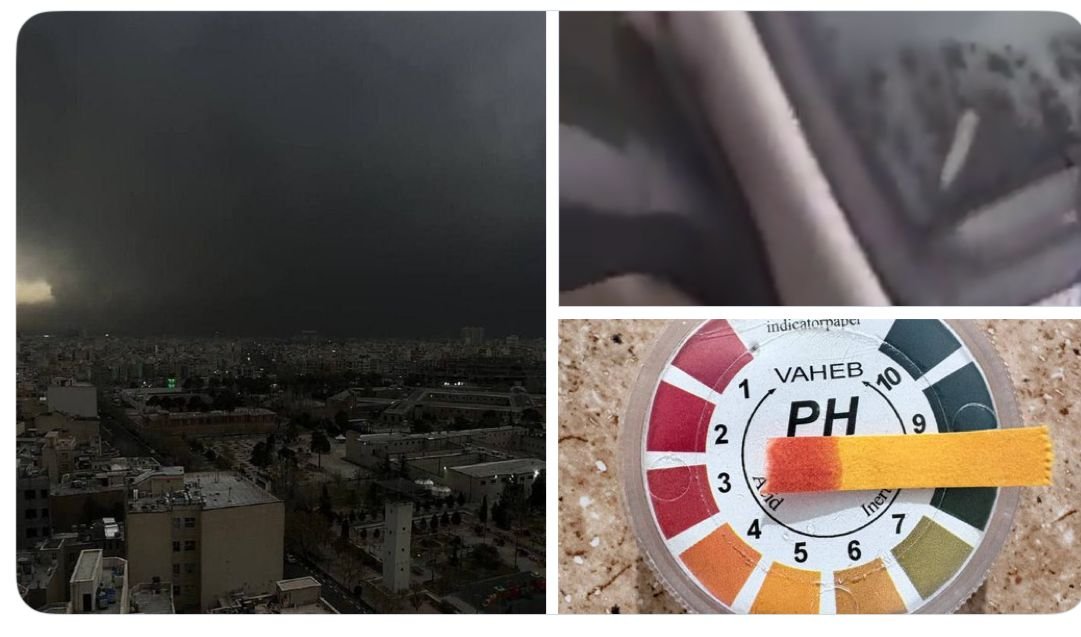
Recent environmental reports from Tehran have raised concerns about the possibility of acid rain following large-scale fires and emissions from oil storage facilities after they were attacked by US and Israel. Reports indicate that water in many areas of Tehran has become acidic, while streets, houses and buildings are covered with drainage water mixed with oil.
Experts warn that the release of sulfur dioxide (SO?) and nitrogen oxides (NO?) into the atmosphere can create conditions where rainfall becomes acidic when these gases react with atmospheric moisture. Such developments are particularly concerning for heavily industrialized regions in Iran, where air pollution levels are already a persistent challenge.
- Environmental and Public Health Concerns
Acid rain forms when pollutants produced by the burning of fossil fuels mix with water vapor in the atmosphere, producing sulfuric and nitric acids. When these acids fall with rain, they can affect ecosystems and urban infrastructure. In metropolitan areas like Tehran, this phenomenon may lead to:
- Air quality deterioration, aggravating respiratory illnesses and allergies.
- Damage to vegetation and agricultural land, potentially affecting crop productivity.
- Acidification of lakes and rivers, which threatens aquatic biodiversity.
- Gradual corrosion of buildings, monuments, and infrastructure due to chemical reactions with acidic precipitation.
Authorities and environmental observers in Iran have reportedly advised caution, particularly urging residents to limit outdoor exposure during rainfall episodes in highly polluted conditions.
- Could It Affect Pakistan?
While the immediate impact remains localized within Iran, environmental analysts suggest that transboundary atmospheric movement can sometimes transport pollutants across regions. Pakistan shares atmospheric corridors with western Asian weather systems, particularly during seasonal wind shifts. Cities in western Pakistan, including regions of Quetta and Peshawar, occasionally experience dust and pollutant transport from neighboring countries.
However, experts emphasize that the probability of direct acid rain reaching Pakistan from Iran remains relatively low unless large-scale emissions persist and coincide with strong west-to-east wind patterns and rain-bearing systems. More likely impacts could include temporary haze, elevated particulate matter, or minor air quality fluctuations rather than severe acidic precipitation.
- Regional Environmental Perspective
Environmental scientists note that air pollution events in one country can highlight the shared nature of atmospheric systems across South and West Asia. This underscores the importance of regional cooperation on air quality monitoring and pollution control. Pakistan’s environmental authorities and meteorological institutions continue to monitor regional atmospheric patterns to ensure early warning in case of cross-border pollution events.
Although reports of acid rain in Iran have raised legitimate environmental concerns, the immediate risk to Pakistan appears limited. Nevertheless, the situation serves as a reminder of how industrial emissions and large-scale fires can influence atmospheric chemistry and regional environmental health. Continued monitoring and international environmental collaboration remain essential to mitigating such risks.