

- BY: MUAHAMMAD UMAR GABOL
- SUKKUR IBA UNIVERSITY
On the 4th of December each year Pakistan bursts into color as Sindhi Cultural Day is celebrated with unmatched zeal. The nation’s streets schools offices and homes transform into a canvas painted with the striking red and black motifs of Ajrak. The Sindhi topi graces countless heads while the soulful tunes of folk music ripple through the air carrying pride and joy. More than a festival this day stands as a living tribute to Sindhi culture its timeless hospitality its message of peace and its rich heritage that continues to inspire generations.
The soul of Sindhi culture lies in its language one of the oldest and most melodious tongues of South Asia. Sindhi carries a gentle cadence almost like poetry woven into everyday speech. Within its words live centuries of Sufi thought folk tales and heartfelt expressions of daily life. Simple greetings such as Kheir aa? Are you well or Chaa piyenda? Will you have tea? reflect the warmth and hospitality that define the Sindhi spirit.
The literary heritage of Sindh shines through the works of legendary poets like Shah Abdul Latif Bhitai ,Sachal Sarmast, and Shaikh Ayaz. Their verses celebrate love humanity peace tolerance and spiritual beauty values that continue to resonate today. Whether sung at shrines echoed in classrooms or shared over tea stalls their poetry bridges the wisdom of the past with the rhythm of modern life.
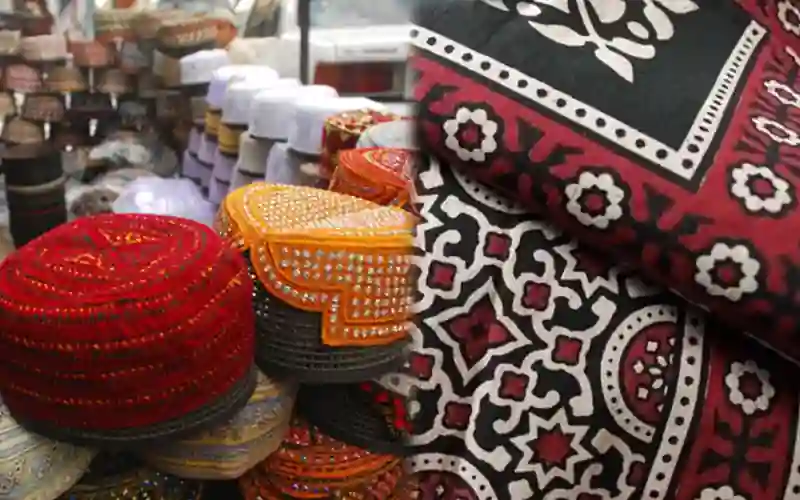
One of the most striking features of Sindhi Cultural Day is the attire. Instantly the mind recalls the iconic Ajrak and the traditional Sindhi topi. Ajrak, with its bold red black and white designs is far more than fabric it is a symbol of dignity and heritage. Draping it feels like wearing centuries of expertise the skill of block printers the richness of natural dyes and traditions lovingly handed down through generations. The Sindhi topi meanwhile is more than headwear it is a mark of respect a way of saying You are honored you are cherished. On this day men and women alike dress in white shalwar kameez vibrant mirror work outfits Ajrak shawls and embroidered caps turning every street into a festival of colors.
The land of Sindh is the heartbeat of its culture. Karachi offers the cool embrace of the sea and nights full of life. Hyderabad dazzles with Ajrak bazaars and street food delights. Sukkur is defined by the grandeur of its Indus barrage. Thar tells stories through its golden sands camel folk songs and homes sparkling with mirror work. Larkana stands as a guardian of Moen Jo Daro one of humanity’s earliest civilizations. Sehwan Sharif pulses with the spiritual energy of Lal Shahbaz Qalandar’s dhamal. Sindh is a land where history craft and devotion meet at every turn.
Sindhi traditions are part of everyday life. Guests are welcomed with tea laughter and stories. Music from tabla dhol alghoza and surando brings joy to weddings and festivals. Women make ralli quilts and hand embroidered clothes carefully shaping designs that show patience and love. The culture is simple but full of meaning where respect is shown through actions not just words.
Sindhi Cultural Day is not just another date marked on the calendar it is a living celebration of heritage identity and togetherness. It reminds us that even as life grows more modern our traditions remain the bridge to our roots. On the 4th of December wearing Ajrak means carrying centuries of pride and craftsmanship. Tasting Sindhi biryani is savoring flavors passed down through generations. Listening to folk music is hearing the timeless voices of poets saints and storytellers who continue to guide hearts today.
In the rush of modern times Sindhi Cultural Day reminds us to pause and honor beauty. Heritage beats like a heart constant living and precious. Sindh’s colors are more than fabric or symbols they live in the laughter of families the welcome of tea shared with guests and the pride of a people who protect their traditions with love.