

- By: Mujtaba Haris, Sukkur
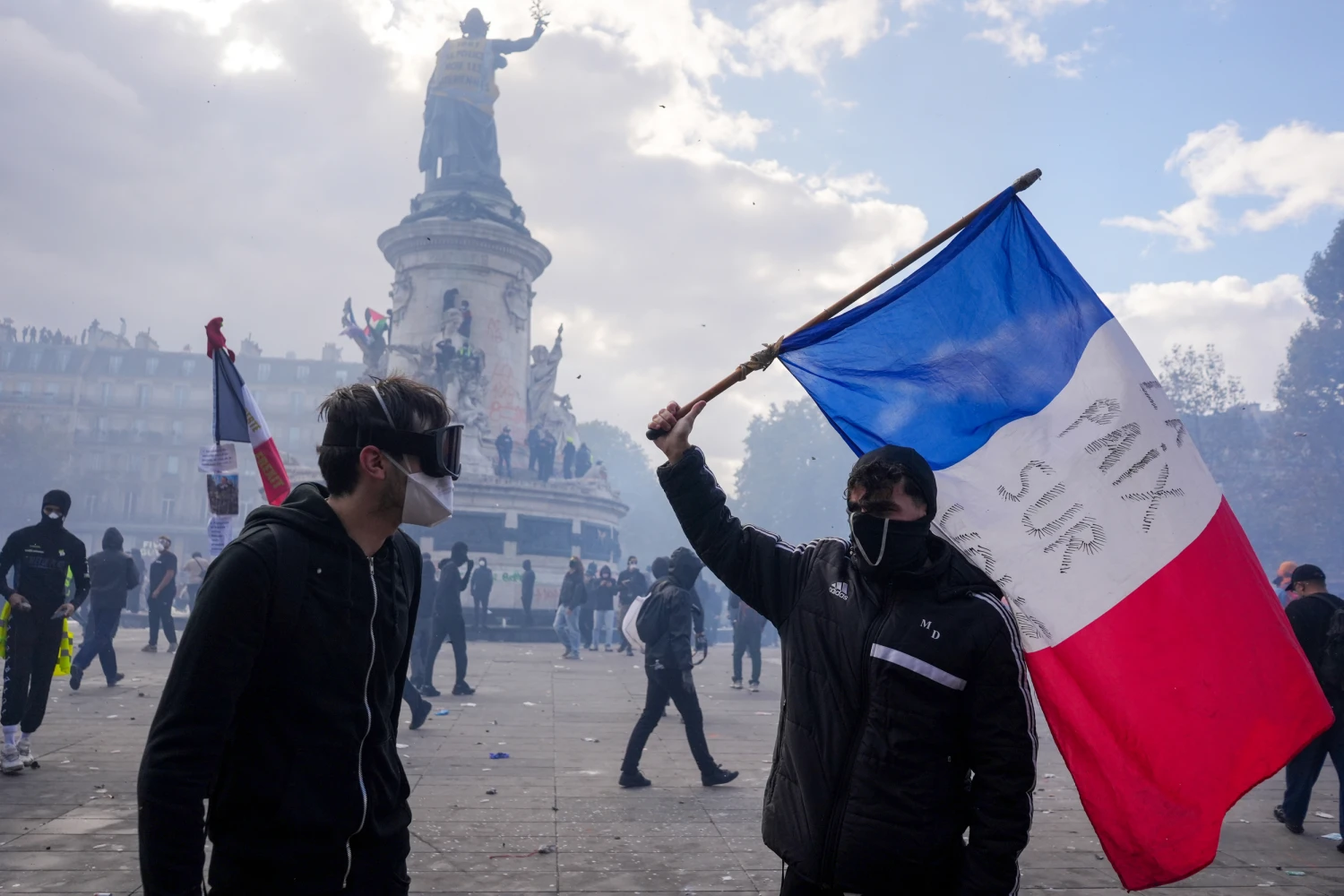
France has long been regarded as a country where citizens are willing to take to the streets to defend their rights and challenge government policies. From the historic protests of May 1968 to the Yellow Vest movement of 2018, demonstrations have remained an important part of French political life. However, renewed public unrest raises a familiar but important question: what happens when citizens begin to feel that their government no longer understands their everyday struggles?
At the heart of France’s protest culture lies a growing tension between economic realities and public expectations. Rising living costs, concerns about public services, educational challenges and disagreements over government spending have contributed to public dissatisfaction. For many ordinary citizens, the issue is not simply the cost of living; it is the feeling that maintaining a decent standard of life is becoming increasingly difficult.
Students, workers and other members of society often experience these pressures differently, yet their concerns can converge around a common demand: a government that listens and responds. When people believe that peaceful complaints are being ignored, frustration can deepen and spread beyond its original cause.
The French government faces a difficult balancing act. It must maintain public order, protect businesses and citizens from violence, and ensure that public institutions continue to function. At the same time, democratic governments must recognise that peaceful protest is a legitimate means of expressing dissatisfaction. Treating every demonstrator as a threat would risk overlooking the genuine concerns that bring people onto the streets in the first place.
Nevertheless, violence and destruction cannot be justified as expressions of political disagreement. Damaging public property or endangering others weakens the credibility of a movement and harms the very communities whose interests protesters may claim to defend. Effective leadership therefore requires both firmness against violence and a willingness to engage with peaceful demonstrators.
France’s experience offers a broader lesson for democracies around the world. Political stability cannot depend on law enforcement alone. It also requires public trust, economic fairness, accessible public services and meaningful communication between governments and citizens.
Ultimately, the strength of a democracy is not measured by the absence of protests, but by its ability to respond to them constructively. France’s challenge is not merely to restore calm to its streets; it is to address the underlying concerns that threaten to bring people back onto them. Lasting stability will come not simply when the demonstrations end, but when citizens have credible reasons to believe that their voices matter.