

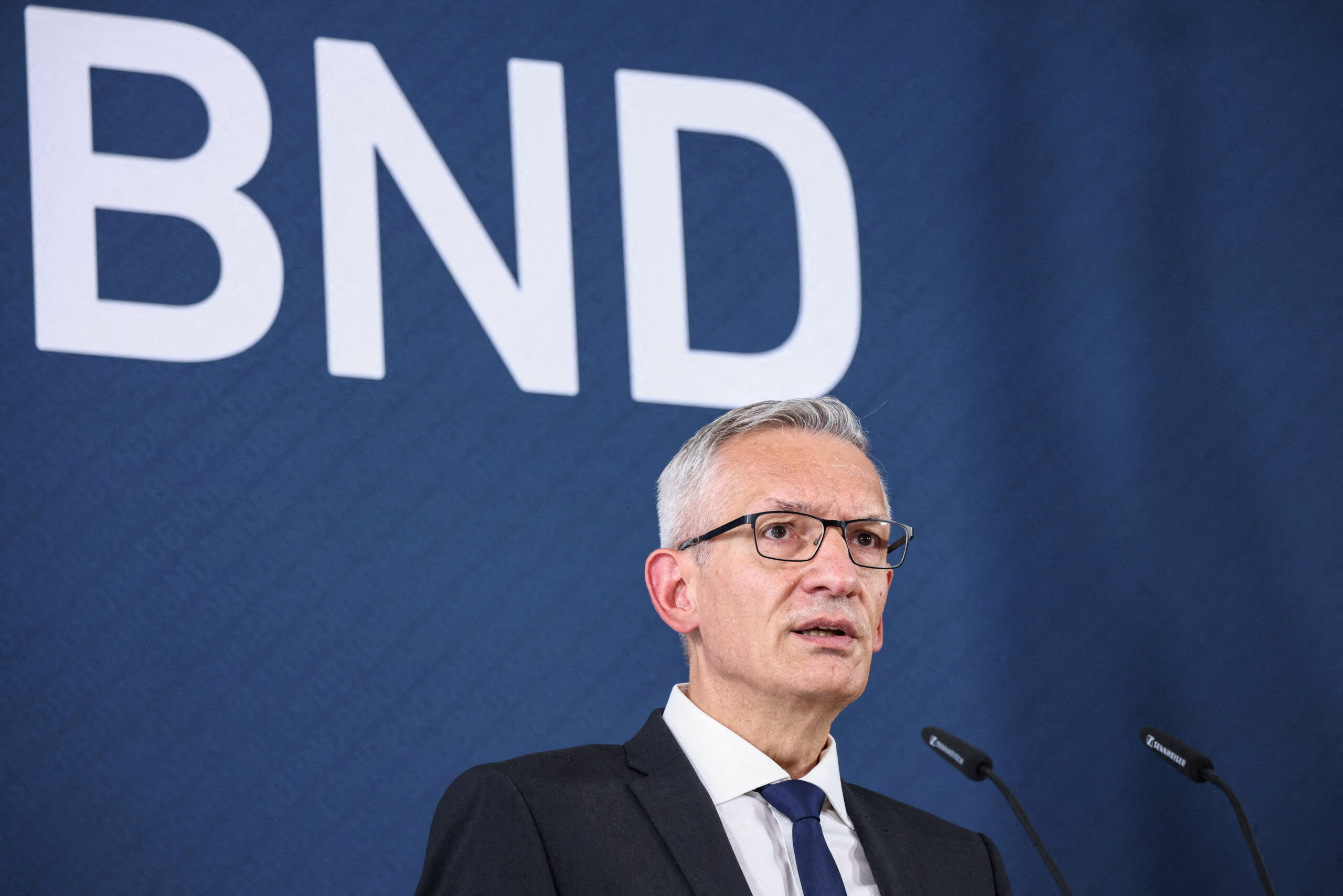
Berlin, October 5, 2026 (Agencies) – Germany’s foreign intelligence chief has warned that the country could face a heightened security threat from Russia, citing what he described as a growing risk of confrontation and calling for expanded powers and resources for Germany’s intelligence agencies.
Speaking before lawmakers during a parliamentary hearing, Bundesnachrichtendienst (BND) President Martin Jaeger said Germany was facing a more dangerous security environment due to tensions with Russia.
“The confrontation we are facing with Russia has taken on a new, more dangerous dimension,” Jaeger told legislators, warning that Germany could become “embroiled in a violent conflict with Russia.”
Jaeger referred to an incident in August involving the discovery of an explosive-laden drone near a Ukrainian transport aircraft at Leipzig Airport, describing it as an example of the threats facing Germany. However, German authorities have not publicly presented evidence linking the incident to Russia.
Moscow has rejected accusations of involvement, with Kremlin spokesman Dmitry Peskov previously describing the allegations as a provocation and accusing Germany of pursuing a course of escalation.
Despite the lack of publicly disclosed evidence, Jaeger alleged that Russia was conducting a “shadow war” and posed a “real and imminent” threat to targets in Germany. He said no other country currently represented such a direct and comprehensive threat to German security.
The remarks come amid growing claims by Western officials that Russia is engaged in hybrid or covert activities across Europe. Russian authorities have consistently denied such allegations, arguing that they are being used to justify increased military spending, expanded surveillance powers and deeper Western involvement in the Ukraine conflict.
During the same hearing, Martina Rosenberg, head of Germany’s Military Counterintelligence Service (MAD), told lawmakers that the country faced threats from both external and internal sources. Domestic intelligence chief Sinan Selen also participated in the briefing.
Jaeger, Rosenberg and Selen voiced support for recent efforts by Chancellor Friedrich Merz’s government to strengthen Germany’s intelligence and security agencies, including proposals to grant the BND broader operational powers and provide additional resources to security institutions.
At the same time, Jaeger emphasized that German intelligence services have seen no indication of an imminent large-scale Russian attack against NATO territory.
Relations between Russia and Western countries have remained strained amid the ongoing conflict in Ukraine, with both sides continuing to exchange accusations over security threats, military activities and political interference.