

- By: Qurrat ul Ain Kazmi
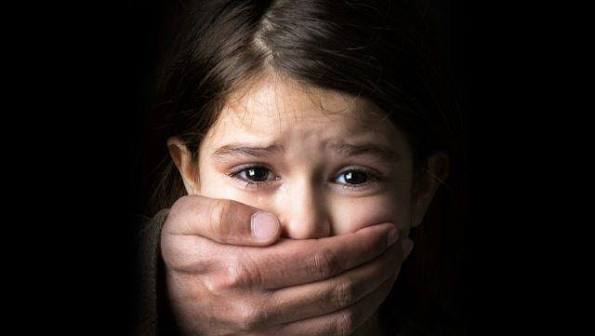
National security is protection of its nation from traditional and non-traditional threats. But mainly consider external security as national security however, National security policy of Pakistan has comprehensive framework which is human and economic centric. Human security is the most fundamental and significant factor of national security. Pakistan discuss its national security with red lines but only from external threats whereas, human security is failed as, its most vulnerable citizens, its children are not protected. In Pakistan, the intractable problem of child rape and sexual abuse incidents kept rising day-to-day. The rising statical data has created grave concern and fear in society that children are not safe in their communities, home, neighbourhood and playgrounds. It should not seen as only criminal activity or social issue but, a serious threat to human and national security.
Recent Data collected by child rights organization Sahil, has highlighted the rising number of rape and sexual abuse cases with children, the data of 2025, shows that 3,630 cases of child abuse were reported across Pakistan. It includes 522 reported cases of rape, 195 attempted rape and 108 gang rape cases among other mistreatments. The situation spiked high to 8% in contrast with previous year of 2024.
Report on Child Abuse in the First Six Months of 2026, compiled by Sahil shows that 1,914 cases of child abuse are registered. In these, cases of rape and sexual abuse are 1,015. Further breakdown by gender and age are Children between the ages of 11 and 15 were the most frequently reported victims. These reported cases include 53% of girls and 47% boys. The data does not stop here. These are just reported and highlighted incidents. Unfortunately, mostly incidents remain hidden and undiscussed due to fear and high pressure on victim families by society and Police.
In august 2026, the most vulnerable highlighted case of two girls, case of 18 months old, Aizal from Karachi and 5-year-old, Ayat Noor from Haripur has crossed the threshold of patience, humanity and bruteness. It is the question mark on every state institution that which national security is being provided to these children, where are the authorities, accountability, law, orders, government, criminals and humanity.
Each day more than 1000 cases of child abuse, kidnapping, missing, abduction and vulnerabilities are uploading nationwide on ZARRA database, but still undermined issue of society. No attention by governments, judiciary and LAEs to this problem.
Children are most vulnerable citizen and should be the redline of national security. The NSP (2022-2026) was introduced as comprehensive citizen centric framework. Human security is first and top priority of policy, but Alas! The first element “security” is not available in human security to nationals of Pakistan, not even to children. National security policy on paper looks cherishing but on implementation level it fails due to lack of zero interest by government and state institutions,
Protection of state and its territory from enemies, neighbours and terrorism does not guarantee peace and security until internal security is not stable. Fighting against terrorism on borders would never result final victory if the internal criminals of grave crimes such as predators, roam freely around children. Targeting and punishing these would only make safe environment and create peace. Ensuring “free from fear” element in between children is broader national security.
The rape incidents and sexual assault cases exposed weaknesses within the institutions responsible for protecting citizens. Poor and Slow progress on rape cases, non prosecution and nonzero tolerance policy has made till date these cases happening and increasing. That’s why criminals of these rape cases are not held accountable, and these crimes does not stop or decreased.
Child rape and sexual abuse can therefor be understood as an internal security challenge. Humans are the national element of state. National security without providing them security make no sense. A country may have strong border Security, military capability but if its internal security lacks, it is incomplete and vulnerable. The protection of children should be prioritised and include in broader national security responsibility rather than being left on parents.
Addressing these incidents requires an immediate and Swift response. LAEs, police departments, child protection NGOs and state institutions must improve investigations and makes zero tolerance policy with exemplary punishment such as public hanging of criminal within the registered case date. Prolonging and delaying of rape cases only provide favour to criminals. Cases involving sexual violence against children should be dealt with efficiency and immediately. ssPublic service awareness for child protection should be promoted. Security cameras for every area must be installed by government. Similarly, as speed cameras are installed on roads. At the policymaking, security and implementation level for child protection, all state institution must work unitedly to ensure safety and security.
Pakistan national security policy is human centric and is made for internal security of citizens. Where children should be the first and topmost priority of Government and state. The rise in statistics of child rape and sexual abuse cases have made the nation and institution failed. This is grave failure for state that their vulnerable and small citizens are not safe. If human security is not protected, then traditional security does not matter.
A secure Pakistan is not defined solely by protected borders, but by the safety and dignity of its citizens, especially its children. Child protection must be a fundamental pillar of National Security Policy to build a safe, fearless and progressive nation for future generations.
- About the Author:
Qurrat ul Ain Kazmi, student of BS Strategic Studies at National Defence University, Pakistan. As a student of Strategic Studies, het academic interests lie in national security, defence, human rights, and weapons studies. Her work focuses on examining contemporary security challenges and the role of defence strategies in safeguarding national interests while upholding human rights.