

TEHRAN, August 26, 2026 (Agencies) — Iran and Oman have reached agreements on the division of waters and revenues generated from shipping through the strategically vital Strait of Hormuz, the Islamic Revolutionary Guard Corps (IRGC) said Wednesday, although a senior Iranian source later indicated that some details of the arrangement had yet to be finalised.
IRGC spokesman Hossein Mohebbi said Iran and Oman had held negotiations for about a month and had reached results acceptable to both sides. He said the discussions covered the respective shares of the two countries in the waters of the strait as well as the revenues generated from maritime traffic.
“The Strait of Hormuz belongs to Iran and the country of Oman,” Mohebbi said, according to Iranian state media. He added that the negotiations had faced delays because of what the IRGC described as US interference.
Mohebbi said the waterway would not be reopened unless Washington accepted Iran’s conditions. “If the United States stops obstructing and returns to the agreement, we can open the Strait of Hormuz within the framework of the agreement reached,” he said, warning that the strait would remain closed if the conditions were rejected.
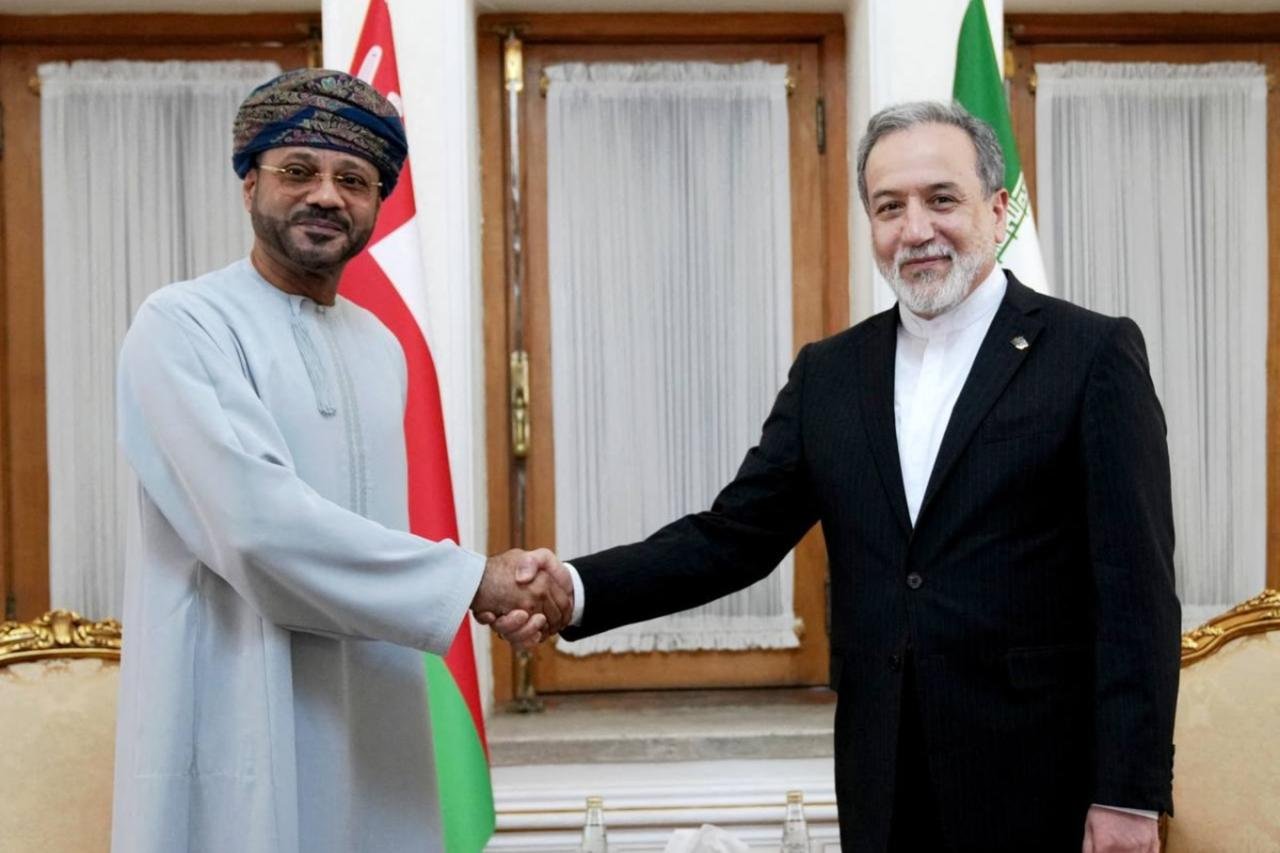
The announcement came a day after Iranian and Omani foreign ministers discussed a phased framework aimed at restoring safe navigation through the waterway. The proposed framework includes establishing a temporary joint maritime corridor and carrying out a joint project to clear mines from the strait. Technical negotiations are expected to continue on a permanent shipping corridor, future management arrangements, information sharing and maritime traffic control.
The Strait of Hormuz, located between Iran and Oman, is one of the world’s most important energy chokepoints. Before the conflict that began in February, roughly one-fifth of global oil and liquefied natural gas shipments passed through the waterway, according to Reuters. Most commercial shipping has since been disrupted, putting pressure on energy markets and global supply chains.
The latest discussions represent an effort by Tehran and Muscat to establish a mechanism for restoring commercial navigation while addressing security concerns following months of conflict. Oman and Iran have also stressed the importance of consultations with other Gulf states and respect for international law and the sovereign rights of coastal countries.
However, uncertainty remains over the reopening of the strait. While Iran has linked reopening to US acceptance of its conditions, Washington has pursued its own efforts to secure shipping through the waterway. US President Donald Trump has also said that US forces had cleared mines from the main shipping lane, although Iran and Oman are separately discussing joint mine-clearance arrangements.
The developments leave the future of one of the world’s most critical maritime routes closely tied to negotiations between Iran, Oman and the United States, with any sustained reopening likely to have significant implications for global oil and gas markets.