

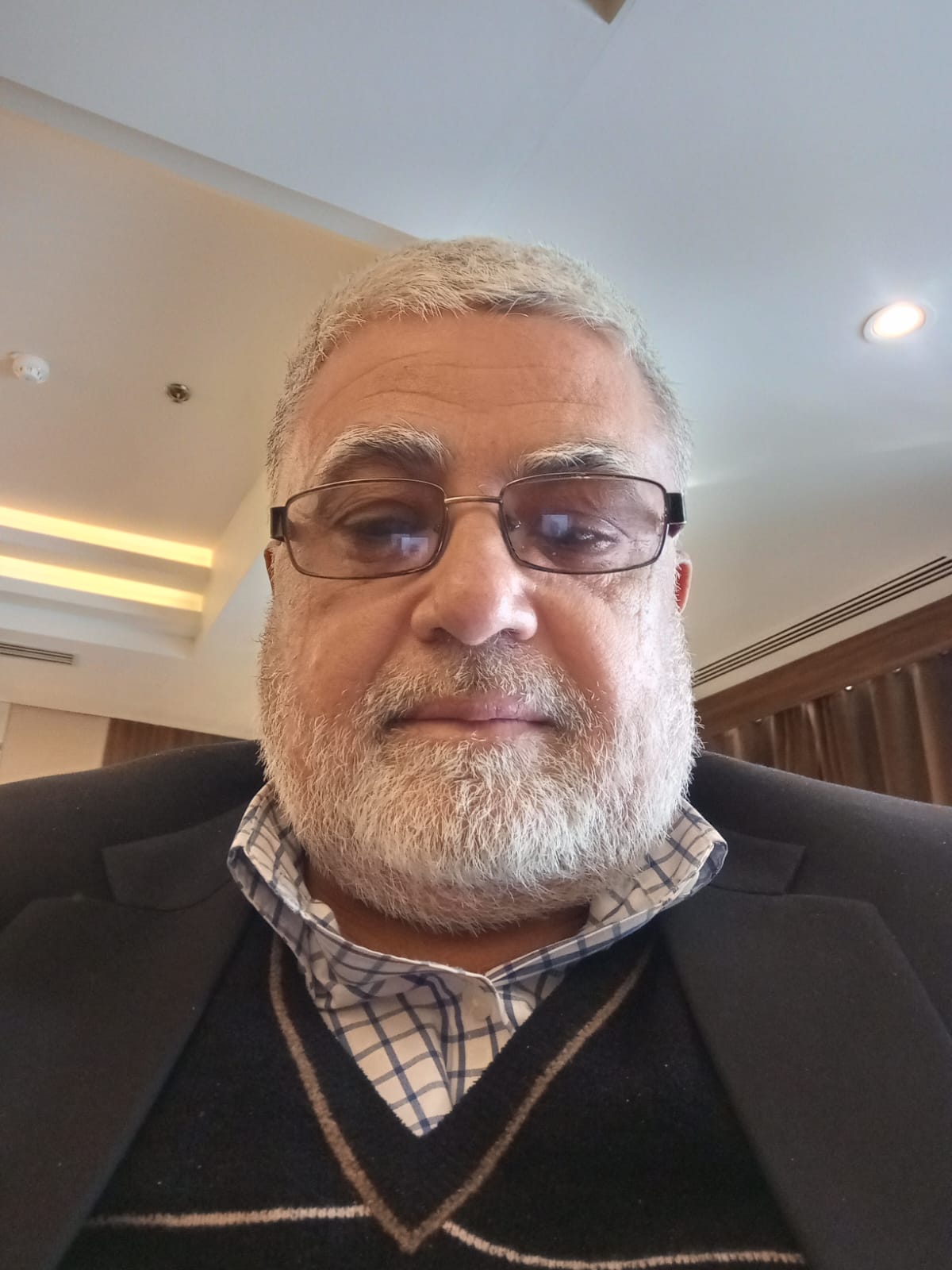
- By: Captain Umar Farooq (Retired)
There is a quiet power in diplomacy that missiles and markets cannot match. It builds bridges where walls once stood, opens doors where conflict had sealed them shut, and — when exercised with wisdom and consistency — transforms a nation’s standing in the world far more durably than any military victory. Pakistan, for all its internal challenges, has demonstrated over decades that it possesses this power in considerable measure. The question today is whether the country has the institutional will and strategic vision to deploy it with the consistency and professionalism that the moment demands.
Pakistan’s most recent diplomatic achievement — facilitating back-channel talks between the United States and Iran during the ongoing conflict — is a reminder of what this country can accomplish when it puts its geographic position and trusted-broker credentials to work. Hosting American and Iranian negotiators in Islamabad when no other venue would hold them is not a minor footnote. It is a statement to the world that Pakistan remains a serious, indispensable actor in global affairs — a nation that adversaries trust enough to talk through, and that allies rely upon to hold the line when formal channels collapse.
This is not a new role. It is, in fact, a recurring one. President Zia ul-Haq’s efforts to open diplomatic channels during the Iran-Iraq War in the 1980s demonstrated early that Pakistan could punch above its weight in regional conflict resolution. General Musharraf’s back-channel negotiations with India over Kashmir — conducted quietly, carefully, and with genuine strategic ambition — came closer to a durable settlement than decades of formal dialogue had managed. Pakistan’s facilitation of talks between the United States and the Taliban during the Mullah Omar era planted seeds that eventually bore fruit in the Doha Agreement years later. And Pakistan has twice hosted the Organisation of Islamic Cooperation summit, gathering the Muslim world’s leaders under one roof — a feat of organisational diplomacy that few nations in the developing world could replicate.
The thread running through all of these efforts is consistency of purpose: Pakistan as a nation that seeks stability, voices the concerns of the Muslim world, and refuses to be merely a bystander to the conflicts that shape its neighbourhood. Its unflinching support for Palestinian self-determination, maintained across governments of every political stripe, speaks to a diplomatic identity that goes beyond tactical positioning.
Yet the horizon ahead demands more than a record of past achievements. The emerging proposal for a defence and strategic cooperation bloc involving Pakistan, Turkey, Egypt and Saudi Arabia deserves serious, sustained attention. These four nations together represent enormous demographic weight, significant military capability, considerable economic potential and — critically — a shared interest in a multipolar regional order that is not dependent on the patronage of outside powers. The idea is sound. What it requires now is not enthusiasm but execution: competent ambassadors in each capital, structured working groups, a common agenda, and meetings that produce decisions rather than declarations. Other Muslim nations can be brought in over time, but the founding four must first demonstrate that their handshake is durable.
Pakistan’s outreach to the Central Asian republics — Turkmenistan, Uzbekistan and Kazakhstan among them — is another strand of diplomacy that deserves to be woven into a permanent, institutional framework. These are young states with growing economies, vast natural resources and a shared cultural heritage with Pakistan. Quarterly review meetings, dedicated diplomatic corridors and structured trade missions would transform what are currently warm bilateral relationships into something far more strategically consequential.
The aftermath of last year’s military confrontation with India has also opened unexpected doors. Defence technology exports, once a distant ambition, are now a credible proposition. Monthly defence exhibitions in friendly countries are not merely trade events — they are instruments of soft power, projecting capability and building the kind of military-to-military relationships that underpin lasting strategic partnerships. This opportunity must not be squandered.
Pakistan must also think carefully about regional architecture. India’s prolonged indifference has effectively rendered SAARC a dormant institution. Rather than waiting for New Delhi to re-engage, Islamabad should take the initiative to build a new regional framework — one that brings Sri Lanka, Nepal, Bhutan and the Maldives into a structured dialogue on trade, connectivity and shared security interests. These are not adversaries. They are neighbours who have often felt caught between two larger powers. Pakistan can offer them a genuine alternative.
Closer to home, the Iran relationship deserves urgent commercial attention. With the ongoing conflict reshaping regional trade flows, the window to deepen economic ties with Tehran — through the Gwadar corridor, through energy trade, through border commerce — is open. The Gwadar seaport and airport must be transformed from symbols of potential into engines of actual commerce. A ten-year government plan for Gwadar’s development, with clear milestones, accountability structures and private sector participation, is not an ambition — it is a necessity. The Finance Minister and his team must treat CPEC’s next phase as a national priority, not a bureaucratic process.
Pakistan’s gradual rapprochement with Russia — joint military exercises, crude oil purchases, discussions over the renovation of the Karachi Steel Mills — reflects mature strategic thinking. Moscow’s value to Islamabad is not merely economic but geopolitical, providing a counterweight in a world where Pakistan cannot afford to be dependent on any single great power. This relationship should be institutionalised through a joint diplomatic commission meeting quarterly to review and advance the bilateral agenda.
The European Union, too, presents opportunities that Pakistan has barely scratched. The recent visit of the EU’s top diplomat to Islamabad was an opening, not a conclusion. European markets, European investment and European technology are all within reach for a country that presents itself as a stable, reform-oriented partner. And Africa — long neglected by Pakistani diplomacy — represents one of the great untapped frontiers. The continent’s developing nations need partners without colonial baggage, without political conditions, and with practical expertise to offer. Pakistan has all three.
But none of this potential will be realised if the country continues the damaging practice of posting retired bureaucrats with no diplomatic instinct or strategic vision into critical ambassadorial roles. Diplomacy is a profession, not a retirement benefit. Pakistan’s foreign missions must be staffed by officers who are intellectually equipped, regionally knowledgeable, personally motivated and institutionally empowered to pursue national interests with creativity and conviction.
Pakistan stands at a rare and genuinely promising moment. The country has demonstrated its value as a peacemaker, proven its military capability, and begun rebuilding the economic foundations that undergird credible foreign policy. What is needed now is not a new strategy so much as the disciplined, selfless and sustained execution of the one that is already taking shape — free from the short-termism, personal interest and institutional inertia that have too often caused Pakistan to snatch mediocrity from the jaws of greatness.
Diplomatic efforts never go to waste. Pakistan has proven that. The task now is to ensure they never go unfinished either.