

- Reuters reported that Israel had developed plans to target senior Iranian leaders, including Foreign Minister Abbas Araghchi and Parliament Speaker Mohammad-Bagher Ghalibaf. Pakistani intelligence agencies allegedly intercepted details of the plans, including movement coordinates, and conveyed urgent concerns to the United States.
- Islamabad warned Washington that eliminating the two officials would effectively close remaining diplomatic channels for a ceasefire, potentially leaving decision-making solely in the hands of hardline military elements within Iran.
Islamabad, March 26, 2026 (Agencies) – Pakistan has reportedly played a critical behind-the-scenes role in preventing a major escalation in the ongoing Middle East conflict by helping preserve key diplomatic figures in Iran, according to media reports and official statements.
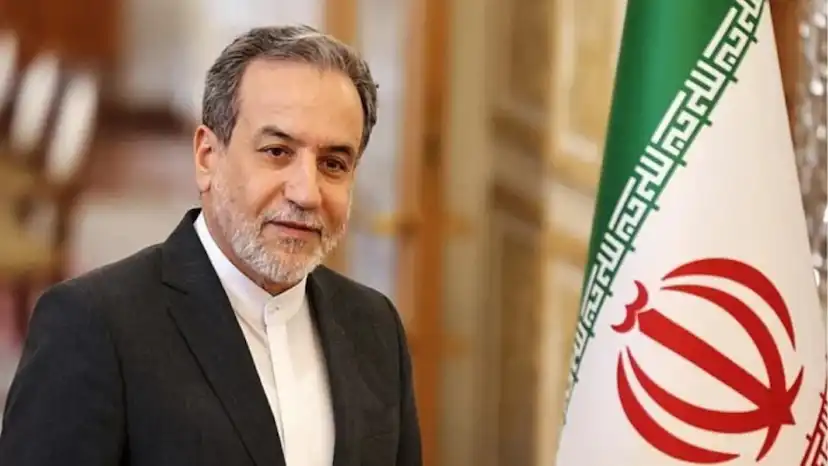
Citing a Pakistani official, Reuters reported that Israel had developed plans to target senior Iranian leaders, including Foreign Minister Abbas Araghchi and Parliament Speaker Mohammad-Bagher Ghalibaf. Pakistani intelligence agencies allegedly intercepted details of the plans, including movement coordinates, and conveyed urgent concerns to the United States.
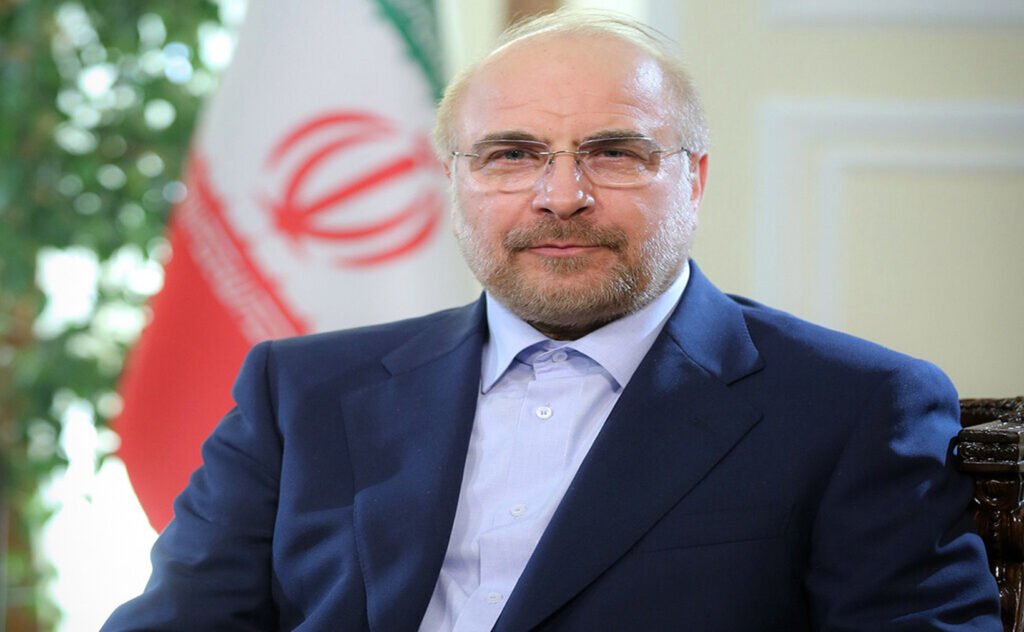
According to the report, Islamabad warned Washington that eliminating the two officials would effectively close remaining diplomatic channels for a ceasefire, potentially leaving decision-making solely in the hands of hardline military elements within Iran.
Subsequently, US authorities intervened with Israel, leading to the temporary removal of the two Iranian figures from a reported target list for a limited period of four to five days, allowing space for diplomatic engagement. The Wall Street Journal also indicated that such a window had been created.
Pakistan is now said to be facilitating communication between Washington and Tehran, including relaying a reported 15-point proposal aimed at de-escalation. Regional actors such as Turkey and Egypt are also supporting diplomatic efforts.
Pakistan’s Foreign Minister Ishaq Dar confirmed ongoing diplomatic engagement on March 26, underscoring Islamabad’s role in promoting dialogue and restraint.
The developments come amid continued hostilities affecting strategic routes such as the Strait of Hormuz, a critical global energy corridor that remains disrupted.
Analysts note that while major military alliances, including NATO, have been cautious in direct involvement, Pakistan’s intervention highlights the role of diplomatic channels and intelligence-sharing in managing escalation risks.
Islamabad has reportedly offered to host potential talks, with discussions underway on arranging high-level meetings involving US and Iranian officials within a limited timeframe. Observers say the coming days could prove crucial in determining whether a negotiated de-escalation is achievable.
Despite ongoing military operations and regional instability, the preservation of key diplomatic actors is being seen as vital for sustaining dialogue and preventing further escalation in the conflict.