

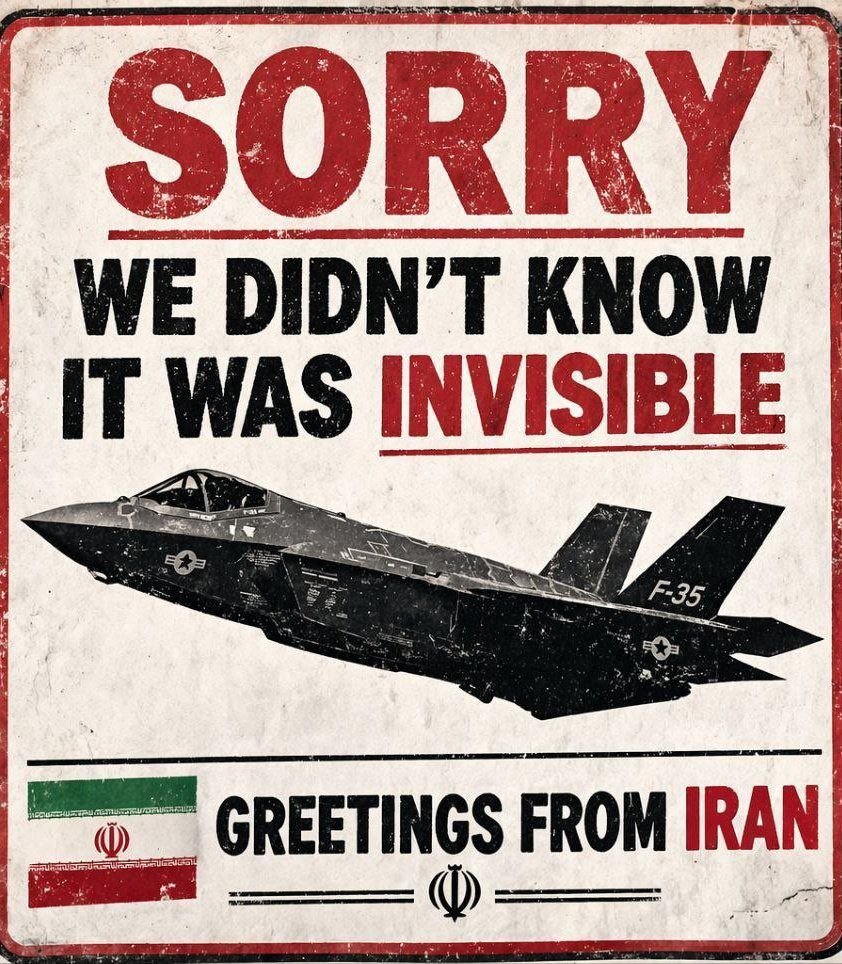
- US Admits Heavy Aircraft Losses
Tehran, March 20, 2026 (Agencies) – Iran’s Islamic Revolutionary Guard Corps has claimed it shot down a US F-35 Lightning II during combat operations over central Iran, while the United States acknowledged the aircraft was hit but maintained it landed safely at a regional base with the pilot in stable condition.
The reported incident marks the first known engagement involving a fifth-generation stealth fighter in the ongoing conflict, significantly escalating tensions and drawing attention to the vulnerability of advanced aircraft in heavily defended airspace.
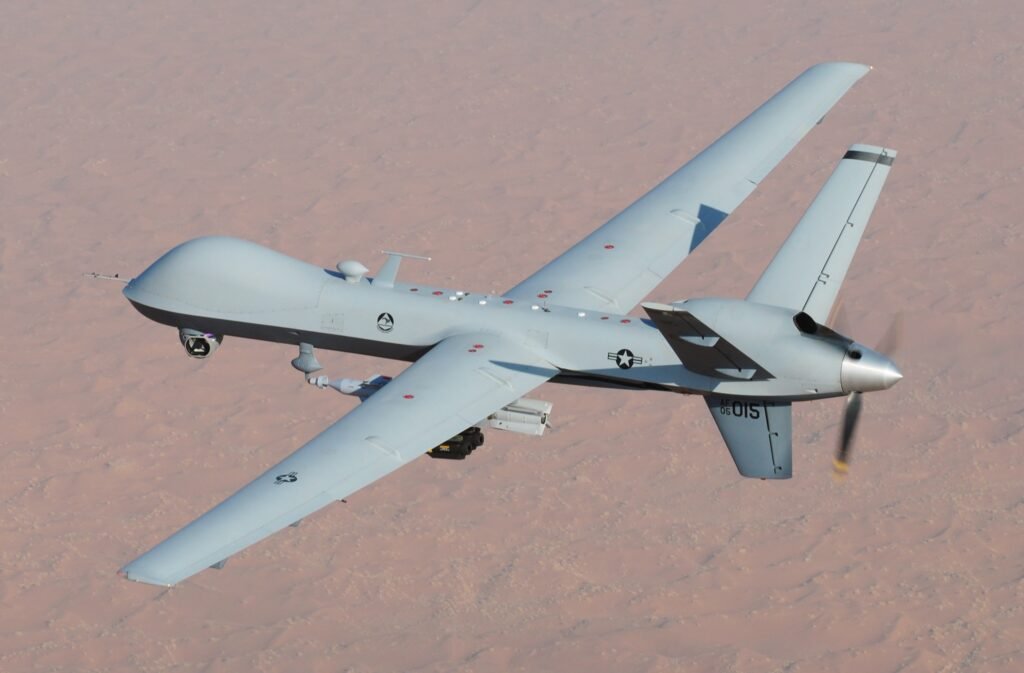
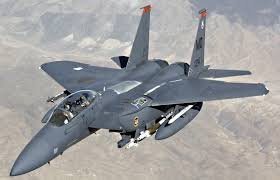
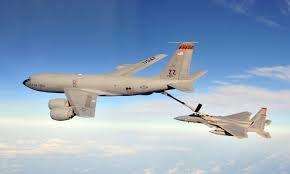
According to a report by Bloomberg, the United States has lost at least 16 aircraft since hostilities intensified in late February. These include 10 MQ-9 Reaper drones reportedly downed by Iranian defenses, three F-15 aircraft lost in friendly fire incidents in Kuwait, and one KC-135 Stratotanker destroyed in a refueling accident. Additional losses include drones and aircraft damaged in non-combat incidents.
Military analysts note that while most losses involve unmanned systems, the reported strike on an F-35 underscores increasing operational risks for US forces conducting missions over Iran.
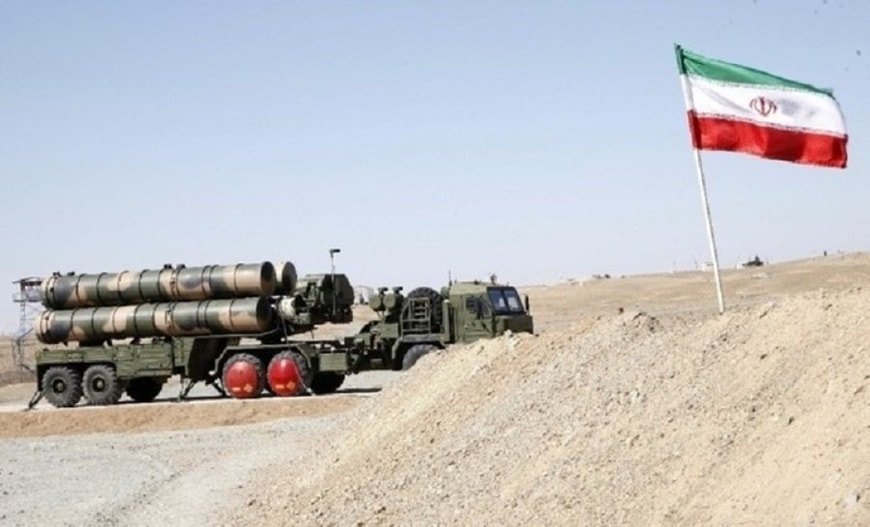
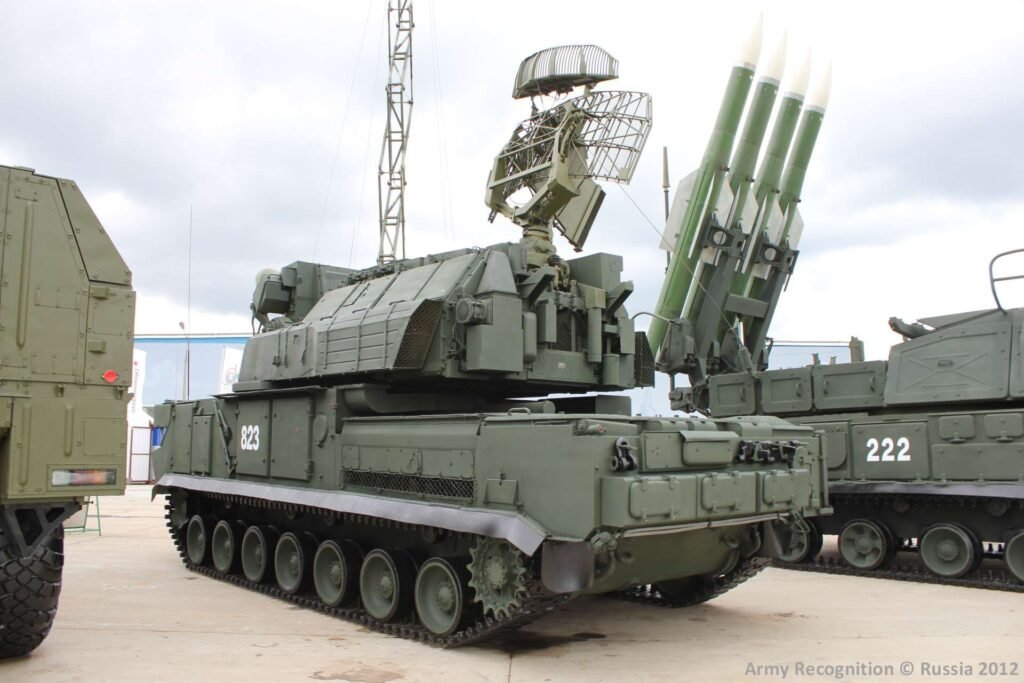
Iran’s ability to challenge US air operations has been attributed to its multi-layered air defense network, which integrates systems from Russian, indigenous, and Chinese origins. Among these are the S-300PMU-2 and Tor-M1, alongside domestically developed platforms such as the Bavar-373, Raad and Mersad missile systems, and electronic warfare assets like the Cobra-V8.
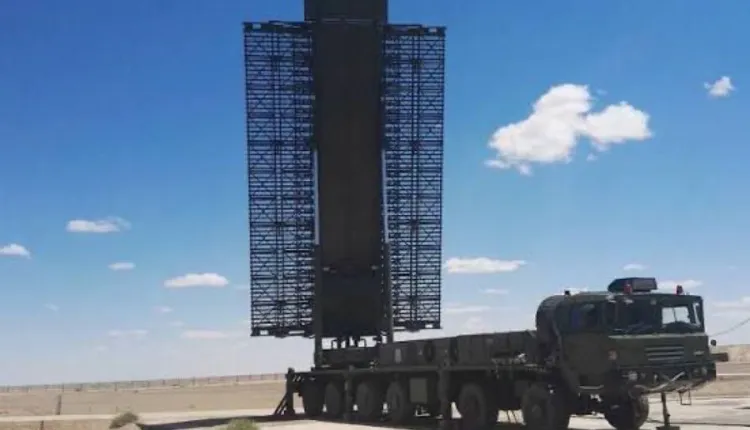
Chinese-origin technologies, including the HQ-series missile systems and the YLC-8B radar, are also believed to play a role, particularly in detecting low-observable aircraft such as the F-35.
Conflicting narratives have emerged following the incident, with Iran claiming the aircraft was destroyed and releasing purported footage, while US officials insist the jet sustained damage but completed a safe landing. The divergence highlights an ongoing information battle accompanying the military confrontation.
Analysts say the incident, coupled with confirmed aircraft losses, reflects the growing sophistication of Iran’s defensive capabilities and may force a reassessment of air combat strategies. For Washington, the developments raise concerns over sustaining high-tempo operations in contested environments, while for Tehran, the claims serve both military and strategic messaging objectives.
The episode underscores a shifting dynamic in modern warfare, where even advanced stealth platforms face increasing challenges, potentially reshaping aerial combat doctrine in future conflicts.