

Tehran, January 20, 2026 (Agencies) – Iranian authorities may consider lifting the nationwide Internet restrictions in the coming days, a senior parliamentarian said on Monday, following a sweeping communications blackout imposed during the country’s worst domestic unrest since the 1979 Islamic Revolution.
The Internet and international phone services were largely shut down as security forces moved to crush anti-government protests that erupted in late December. The demonstrations were suppressed within days through widespread use of force, after which authorities reported a return to calm across most cities.
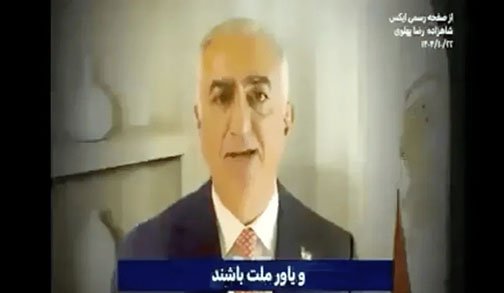
In a notable development, Iranian state television appeared to be hacked late on Sunday, briefly airing video clips of speeches by US President Donald Trump and Reza Pahlavi, the exiled son of Iran’s last shah, both urging the Iranian public to rise up against the ruling system. The broadcast reportedly lasted several minutes and carried the on-screen caption “the real news of the Iranian national revolution,” before regular programming resumed.
According to an Iranian official speaking on condition of anonymity, the confirmed death toll from the unrest has exceeded 5,000 people, including around 500 members of the security forces. The official said some of the most intense violence occurred in Iran’s northwestern Kurdish-populated regions. Western-based Iranian human rights organizations have also reported thousands of deaths, though independent verification remains difficult.
Although streets have been largely quiet for the past week, social media posts and eyewitness accounts that have surfaced since partial restoration of connectivity describe widespread violence against protesters during the crackdown.
The Internet monitoring organization Netblocks said on Monday that nationwide connectivity remained at minimal levels. However, it noted signs of a controlled and heavily filtered network allowing limited communication, suggesting authorities may be testing a restricted restoration of services.
Ebrahim Azizi, head of the Iranian parliament’s National Security and Foreign Policy Committee, said decisions on fully restoring Internet access would be taken by top security bodies, adding that services would resume as soon as the security situation permits.
Another lawmaker, hardliner Hamid Rasaei, argued that the unrest highlighted longstanding concerns voiced by Supreme Leader Ayatollah Ali Khamenei regarding what he described as insufficient control over cyberspace.
During the apparent hacking of state television, messages from Reza Pahlavi called for the overthrow of Iran’s clerical leadership, which has governed the country since the 1979 revolution that deposed his father. Pahlavi, who is based in the United States, has recently emerged as a prominent opposition figure and has claimed he intends to return to Iran, though the extent of his support inside the country remains unclear.
The combination of a potential easing of Internet restrictions and the unprecedented breach of state television has underscored growing challenges for Iranian authorities as they seek to reassert control following weeks of unrest.