

- By: Saadia Momal
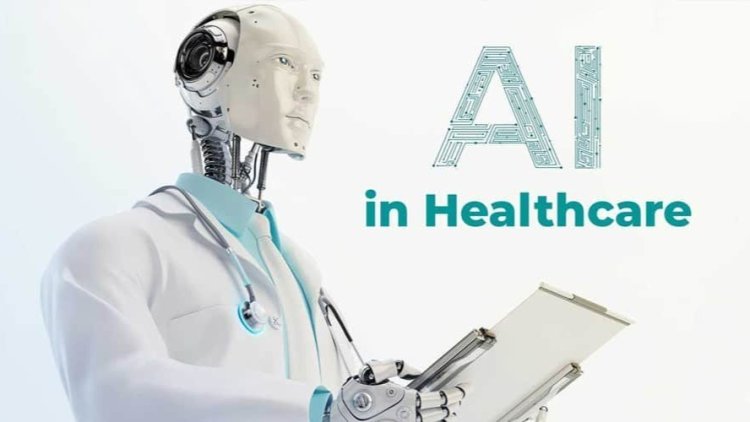
In recent years, healthcare has entered a new era—one powered not just by doctors and laboratories, but by algorithms, data, and intelligent machines. At the center of this change lies the powerful combination of bioinformatics and artificial intelligence (AI). Together, they are reshaping how diseases are detected, treated, and even prevented, marking a major shift in modern medicine.
- The Rise of Data-Driven Healthcare
Medicine today generates more data than ever before—genetic sequences, medical scans, laboratory results, hospital records, and real-time health monitoring through smart devices. This massive volume of information is impossible for humans to analyze alone.
Bioinformatics provides the tools to store, interpret, and manage this biological data, while AI brings the intelligence needed to spot patterns that even experienced professionals may miss. The two fields, working side by side, have made healthcare faster, more precise, and far more personalized.
- Faster and Earlier Disease Diagnosis
- AI systems, trained on millions of medical images and test results, are now capable of detecting diseases with remarkable accuracy.
- In radiology, AI-powered tools analyze X-rays, CT scans, and MRIs within seconds.
- In genetics, bioinformatics pipelines decode DNA to identify mutations associated with cancer, heart disease, or rare disorders.
- AI models can recognize early signs of diabetes complications, neurological disorders, and even detect cancer at stages too early for human eyes.
- Early diagnosis means early treatment—and potentially, millions of lives saved. Personalized Treatment: Medicine Tailored to You
Every person’s body is unique. Bioinformatics uses genetic and molecular data to understand these differences, while AI analyzes this information to recommend the most effective treatment for each individual. This approach, known as precision medicine, helps doctors choose:
- The right drug.
- At the right dose.
- For the right patient.
For example, cancer therapies today are increasingly personalized. AI can compare a patient’s tumor genetics with vast cancer databases and suggest treatments known to work for similar genetic profiles.
- AI-Powered Drug Discovery
Traditionally, developing a new medicine can take over a decade. AI has dramatically shortened this timeline.
Using pattern-recognition models, AI can predict how different molecules will behave, which compounds may become effective drugs, and how they might interact with the human body. Thanks to AI-assisted bioinformatics, vaccines and antiviral treatments can now be developed at a pace that was unthinkable just a few years ago.
- Transforming Public Health and Preventive Care
AI and bioinformatics don’t just help treat disease—they help predict it. AI can analyze health data from entire populations to:
- Track disease outbreaks.
- Forecast epidemics.
- Identify risk factors.
- Suggest public health strategies.
Wearable devices add another layer of intelligence. By monitoring heart rate, sleep, glucose levels, and activity patterns, AI systems can alert users—and doctors—to health issues before they become serious.
- Challenges on the Road Ahead
Despite its promise, AI in healthcare faces important challenges:
- Ensuring data privacy and security.
- Avoiding bias in algorithms.
- Making technology accessible in developing countries.
- Training healthcare workers to use AI tools.
Addressing these concerns is essential to ensure AI becomes a safe and trustworthy partner in medicine.
- A New Medical Revolution
Bioinformatics and artificial intelligence are not replacing doctors—they are empowering them. Together, they offer deeper insights, faster decisions, and more effective treatments. They are transforming modern medicine from a largely reactive system into one that is predictive, personalized, and preventive. As healthcare continues to evolve, the partnership between humans and intelligent machines promises a healthier future for all.