

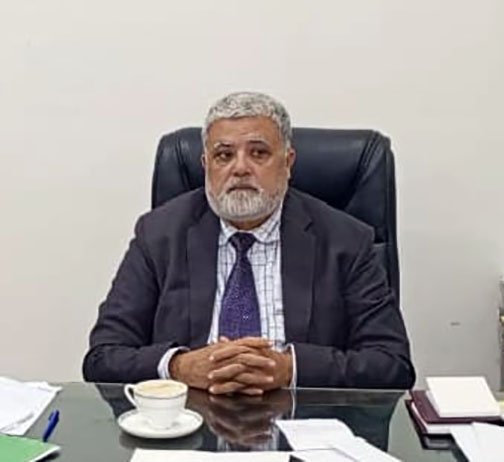
- By: Captain (Retd.) Umar Farooq
To foster tourism in Pakistan, it is essential to adopt strong measures and initiatives that will establish a solid infrastructure and attract both local and international tourists. A quarterly tourism conference at the national level should be held to discuss strategies for enhancing tourism, and the best three models from leading tourist countries like Switzerland must be studied, assessed, and implemented without delay. Tourism desks should be established in every Pakistani embassy abroad, with ambassadors given specific targets to attract visitors.
In addition, more airports and helipads must be constructed in northern districts, Swat, Kashmir, Cholistan, Thar, and other tourism hubs, while football stadiums, cricket grounds, tennis courts, and facilities for international matches should also be introduced in these areas to appeal to foreign visitors. Adventure and leisure facilities such as safari parks, zoos, festivals, chairlifts, bungee jumping, and paragliding must be developed in the northern region
s, while promotional movies about Pakistan’s best tourist spots—including lakes, rivers, deserts, seashores, and historical landmarks—should be produced every three months and widely shared on social media. Every district with tourism potential must appoint a dedicated tourism officer responsible for promoting international tourism and providing policy suggestions to the government, while hotels, resorts, and field stays should be developed at all major destinations. Religious tourism must also be promoted by establishing a Sikh university at Hasan Abdal and a Buddhist university at Taxila, encouraging Sikhs and Buddhists worldwide to visit Pakistan’s sacred sites. Each tourism-oriented district should also maintain a museum or historical center to provide accurate information to visitors, while Pakistani embassies should host quarterly conferences and programs to engage foreign tourists. To bring international recognition, the world’s top 100 travelers should be invited to Pakistan and offered a week-long gu
ided tour. Additionally, competitions at colleges and universities in speech, essay writing, painting, and article writing should be held to encourage creative ideas for boosting tourism. Proper planning is also necessary to protect tourism hubs from floods, cloudbursts, earthquakes, and other natural disasters. Pakistan should invite international celebrities and sports icons such as Ronaldo to visit tourist destinations, while coastal cities like Karachi, Gwadar, and Thatta should be transformed into international-standard beaches. A dedicated tourism magazine must be published quarterly, and specialized platforms such as a tourism TV channel, radio station, YouTube channel, and even a daily tourism newspaper should be launched. Infrastructure development—including roads, railways, airlines, ships, and ferry services—should be prioritized in tourism districts, while the rich heritage of saints and Sufis of Pakistan, along with their poetry and teachings, must be translated into global languages and their sh
rines promoted as international centers for spiritual seekers. Sites of religious and historical value, such as the grave of Prophet Hazrat Qanbeet (AS) near Gujrat, should be developed as international pilgrimage points. Similarly, deserts like Thar and Cholistan should be transformed into tourism hubs with safari trains, zoos, parks, and airports. Overseas Pakistanis in the Gulf, UK, and USA must also be encouraged to bring at least ten foreign tourists each year. In this regard, wealthy Sikh and Buddhist communities worldwide should be consulted to establish specialized tourism commissions for promoting religious tourism, given Pakistan’s unique and valuable religious sites.
Universities such as those in Swat, Hazara, Haripur, and Gilgit-Baltistan should host tourism conferences to attract international students and researchers while guiding government policy. Finally, Pakistan should collaborate with China, Saudi Arabia, and Turkey by forming a joint tourism committee to strengthen tourism links and develop new destinations, thereby ushering in a new era of tourism in the country.