

- By: Zahida Hina
A child in my family encountered considerable difficulties during early childhood. During the tender years spanning from 2 to 3., he struggled to speak properly and had difficulty recalling names and identifying things. Even as he grew older, around 4 or 5 years old, he remained a child who was hard to understand and often found it challenging to grasp concepts easily. He also exhibited limited behavioral patterns and had heightened emotions, frequently becoming angry without warning. His parents, lacking sufficient education, were unable to recognize or address these symptoms. However, after studying this topic in depth, I realized that he was likely experiencing Autism spectrum disorder (ASD).
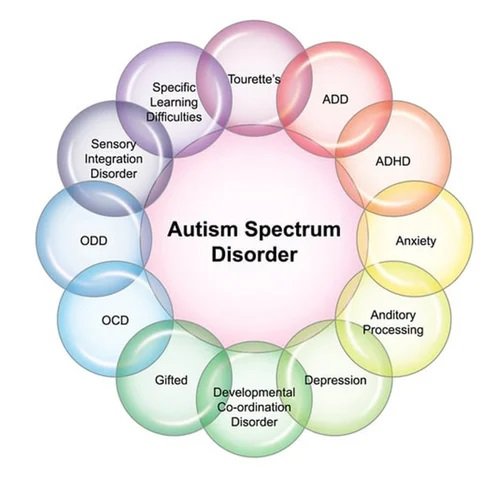
Autism Spectrum Disorder (ASD) is a complex neurological and developmental condition that profoundly influences an individual’s capacity for communication, social engagement, and adaptive responses to certain situations. It is often characterized by repetitive behaviors and heightened sensitivity to sensory stimuli, such as sounds, lights, or textures.
Autism Spectrum Disorder (ASD) may manifest at any point throughout a person’s life; however, it is most frequently diagnosed in early childhood, generally between the ages of 2 and 4, when modifications in behavior, verbal exchange and social engagement become increasingly conspicuous. Initial indicators can present as early as 6 to 12 months, often characterized by delays in speech development and weakend ability for gaze interaction. Children with ASD may show a lack of interest in games, smiling, or laughing, often preferring to stay in their own world. They may also exhibit behaviors such as shouting, crying, or laughing without an obvious reason.
Autism Spectrum Disorder (ASD) does not stem from a single cause; rather, it arises from a complex interplay of genetic, environmental, neurological, and parental factors. Genetic research has illuminated the involvement of numerous genes intricately linked to autism. Meanwhile, environmental influences, such as maternal-fetal infections, the use of certain medications (notably antibiotics) during pregnancy, exposure to air pollution, extreme prematurity, low birth weight, preeclampsia, fetal distress, and fetal hypoxia, have been identified as significant risk factors. Emerging evidence further suggests that autism originates during fetal development, rather than after birth.
Autism is often misunderstood due to pervasive myths and misconceptions. One common myth is that bad parenting causes autism; in reality, autism primarily has genetic origins, often influenced by environmental factors. Another misconception is that autistic individuals lack emotions. In truth, they experience emotions deeply but may express them differently or struggle to interpret and communicate their feelings. It is also falsely believed that autistic people don’t desire friendships. While some may face challenges with communication and navigating social uncertainty, many genuinely seek meaningful connections.
The variety of treatments, therapies, and interventions are available to support children with Autism Spectrum Disorder (ASD). These include speech-language pathology, applied behavior analysis, and occupational therapy, among others. Speech therapy plays a crucial role in enhancing both verbal and non-verbal communication skills for children facing communication challenges. Additionally, multiple children with ASD encounter difficulties in controlling physical movements, which can be effectively addressed through physical therapy to improve posture and muscle coordination. Research highlights that long-term therapies can significantly develop communication abilities. Moreover, various other treatments contribute to enhancing the overall quality of life for individuals with ASD.
Raising awareness about Autism Spectrum Disorder (ASD) is vital for families, caregivers, and communities. Understanding autism enables the early recognition of symptoms in children, allowing for timely intervention services that can greatly improve their quality of life. It is crucial to educate ourselves and actively advocate for individuals with autism, fostering inclusive environments in schools, workplaces, and communities.
Across the globe, millions of families are raising children with autism, progressing through a journey filled with unique challenges and meaningful rewards. While teachers, therapists, and doctors contribute significantly, it is the unwavering love and support of parents that genuinely holds a child’s growth and well-being. Parents share a bond like no other—divinely designed to nourish, guide, and empower their children.
The ability to shape a brighter future rests within the dedication of parents. By collaborating with psychologists and other professionals, they can uncover and develop their child’s unique strengths and talents. Parents who approach this journey with love, understanding, and a commitment to accessing the right resources create an environment where their child can truly thrive. Celebrating every achievement, no matter how small, uplifts not only the child but also strengthens the parent-child relationship, paving the way for a life of confidence, joy, and possibility.
The media also holds significant potential in raising awareness about autism by creating and airing programs that align with children’s interests. By presenting such content deliberately, it can nurture a deeper understanding and empathy for individuals with autism, cultivating a more inclusive society that supports and embraces them with compassion and respect.
Employing respectful language, providing consistent support, and highlighting their strengths are essential steps in empowering autistic individuals. Encouraging healthy emotional expression, such as managing anger constructively, and maintaining a positive, supportive approach are equally important. By adopting these practices, we can build a compassionate society where individuals with autism are respected, included, and empowered to reach their full potential.