

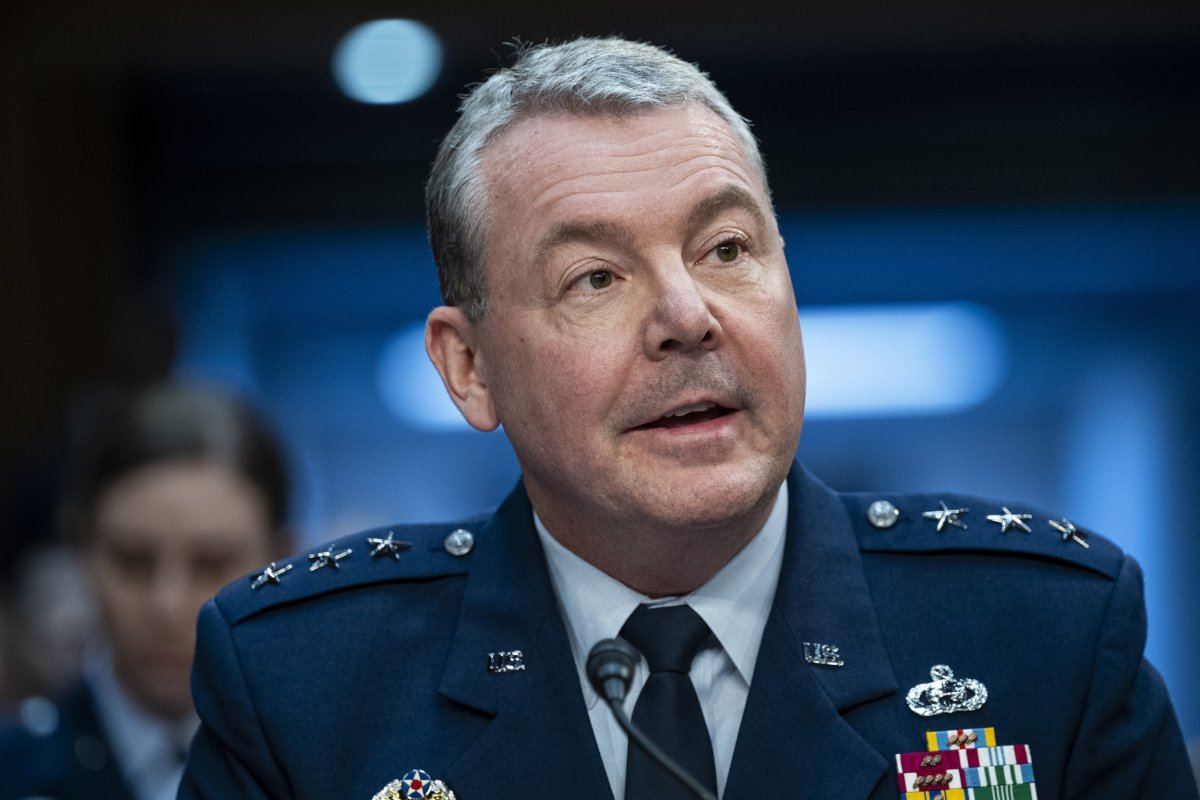
Washington, D.C., August 23, 2025 (Agencies) — In a dramatic shake-up at the U.S. Department of Defense, Defense Secretary Pete Hegseth has dismissed Lieutenant General Jeffery Kruse, head of the Defense Intelligence Agency (DIA), following controversy over the agency’s assessment of recent American military strikes on Iran.
The Pentagon confirmed Kruse’s removal on Friday, alongside the ousting of two other senior military officials: Vice Admiral Nancy Lacore, Chief of the Navy Reserve, and Rear Admiral Milton Sands, Commander of Naval Special Warfare Command. No official explanation was provided for the dismissals.
The move comes just weeks after a leaked DIA report concluded that U.S. strikes in June had only temporarily disrupted Iran’s nuclear program, contradicting President Donald Trump’s assertion that the sites were “completely destroyed.” The White House labeled the DIA’s findings “flat out wrong,” and Trump accused the media of attempting to “demean one of the most successful military strikes in history.”
At the NATO summit, Hegseth criticized the report as being based on “low intelligence” and confirmed that the FBI was investigating the leak.
Kruse, who had led the DIA since early 2024, previously served as military adviser to the Director of National Intelligence and held senior intelligence roles in counterterrorism operations. His dismissal was first reported by the Washington Post.
The DIA, distinct from agencies like the CIA, specializes in military intelligence to support operational planning and threat assessments. The agency’s technical evaluations are considered critical to shaping U.S. defense strategy.
The firings have sparked political backlash. Senator Mark Warner, Vice Chair of the Senate Intelligence Committee, warned that Kruse’s removal reflects a “dangerous habit of treating intelligence as a loyalty test rather than a safeguard for our country.”
This is the latest in a series of high-profile dismissals under Trump’s second term. In recent months, the President has removed NSA Director General Timothy Haugh, Commissioner of Labor Statistics Erika McEntarfer, and Air Force General C.Q. Brown, among others, often following public disagreements over data or intelligence findings.
Observers say the latest purge could have lasting implications for the independence of U.S. intelligence agencies and the credibility of military assessments in future conflict zones.