

- By: Captain Retired Umar Farooq
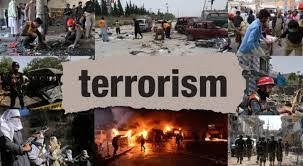
For over two decades, Pakistan has faced the harsh realities of terrorism, enduring waves of extremist violence initially fueled by Taliban insurgency and, more recently, by separatist movements such as the Balochistan Liberation Army (BLA). These groups targeted state institutions, fomented unrest, and exploited vulnerable youth in regions such as Khyber Pakhtunkhwa (KPK) and Balochistan, encouraging them to carry out attacks and suicide missions.
Despite these formidable challenges, Pakistan has fought the war against terrorism on multiple fronts—strategically, diplomatically, tactically, and militarily. The state has made significant progress in dismantling terrorist networks and restoring stability. A critical factor in this success has been countering the ideological manipulation of youth by terrorist organizations.
To address this, the Government of Pakistan and the military have launched comprehensive initiatives to redirect the energy of the nation’s youth toward constructive engagement. Senior military leaders, including generals, have been engaging students across universities to broaden their understanding of the national security landscape and instill a sense of civic responsibility.
Educational reforms are central to this transformation. Public universities such as NUTECH are equipping students with technical skills and connecting them with international job opportunities. The distribution of free laptops to high-achieving students and the revitalization of sports and academic competitions across provinces have fostered a culture of achievement and positive competition.
Pakistan’s youth are now actively participating on the global stage—competing in academic contests, joining sports leagues in Europe and Africa, and representing the country in various international platforms. Religious seminaries are also undergoing reforms, emphasizing research and modern education to integrate traditional values with contemporary knowledge.
Efforts in tribal regions, including Waziristan, focus on grooming young individuals into responsible citizens, with the establishment of cadet colleges in remote areas providing access to quality education and career opportunities.
The Pakistan Armed Forces have taken unprecedented steps to include youth from all provinces, including Balochistan, Gilgit-Baltistan, and former tribal areas, into mainstream national development. Importantly, the doors have been opened for young women to serve as commissioned officers and fighter pilots. Notable figures like General Nigar Johar—the first female general and doctor in the Pakistan Army—serve as role models, inspiring both girls and boys across the nation.
The inclusion of youth from minority communities further demonstrates Pakistan’s commitment to diversity and national unity. A young Hindu woman became an Assistant Commissioner in Hasanabdal, and a Sikh youth was commissioned as a captain in the army—clear signs of inclusive progress.
Motivational figures like Qasim Ali Shah are also playing a vital role in guiding the youth towards purpose and resilience. Through a unified national effort, Pakistan is actively working to neutralize the influence of extremism and transform its younger generations into agents of peace, development, and innovation.
With continued investment in education, opportunity, and national cohesion, Pakistan is poised to overcome the menace of terrorism and emerge stronger, more inclusive, and more resilient than ever.